This policy brief is the first in a series investigating potential new legislative initiatives in the 120th Congress, which will take office in January 2027. Most Americans would rather get health care at home than move into an institution such as an assisted living facility. Currently, qualified recipients can have Medicare pay for a nurse or therapist in a facility, but it generally does not pay someone who helps an older adult bathe, dress, or cook as a form of long-term, in-home care. Congress has attempted to change how home health care is delivered and reimbursed under the Medicare program, and a few pieces of legislation appear poised to be introduced in the upcoming 120th Congress on this topic.
Health
What does Medicare cover at home?
More than three million people on Medicare receive home health care each year. Most are recovering from a hospital stay. Since the COVID-19 pandemic, Medicare has allowed some heart and lung rehab programs to run virtually or at home. Medicare also covers nursing, therapy, medical supplies, and limited help from an aide. This care is usually short-term. Medicare does not normally pay for around-the-clock care, delivered meals, cleaning, or help with daily tasks when those are the only services needed. It also does not pay for most long nursing-home stays.
Source: AARP (2026), Medicare (2026)
Each year, the federal Centers for Medicare & Medicaid Services (CMS) sets new payment rates for the home health agencies that provide care to Medicare recipients. In June 2025, CMS proposed the largest cut since its founding: a 6.4% payment cut for 2026. Home health agencies and lawmakers from both parties pushed back. In its final rule, issued on November 28, 2025, CMS lowered the cut to 1.3%. This reduction in funds has left both Democrats and Republicans responsible for developing plans to help older constituents and their families.
What might Congress propose?
The broadest idea being talked about in Congress is some form of an affordable home care guarantee for people with Medicare. In May 2026, Senator Ron Wyden and sixteen other senators asked Senate Finance Committee staff to develop such a plan. They want to make home care easier to get, reduce the need to become poor enough for Medicaid (which is how many of the gaps in end-of-life care are currently met), and improve care job opportunities. The announcement did not state who would qualify, how many hours Medicare would cover, or how the benefit would be financed, but it speaks to what might be on the agenda in the coming years.
Another option is the Well-Being Insurance for Seniors to be at Home (WISH) Act, which was introduced in 2025 by Representatives Tom Suozzi (D-NY) and John Moolenaar (R-MI). It would create federal insurance for very long periods of care. A person with a serious disability would qualify after an income-based waiting period of one to five years. The benefit would cover six hours of paid help each day.
Congress could also expand care one service at a time. The Sustainable Cardiopulmonary Rehabilitation Services in the Home Act, sponsored by both Republicans and Democrats, would permanently let Medicare pay for cardiac and pulmonary rehab delivered at home; this measure was introduced in 2025, but had not moved through Congress. The John W. Walsh Alpha-1 Home Infusion Act would let Medicare pay for at-home infusions for people with the genetic lung and liver condition Alpha-1 antitrypsin deficiency; this proposal was also introduced in 2025, but has yet to see movement. And another potential law is the Medicare Home Health Accessibility Act that would permit Medicare to cover in-home occupational therapy even if it was not simultaneously necessary for a person to also be receiving physical therapy, which is currently the only way Medicare can cover this sort of therapy.
Would home health care be a way for Congress to save money?
In 2025, full-time nonmedical home care had a national median annual cost of about $80,080. A private nursing-home room costs about $129,575. Supporters of more in-home Medicare systems say public coverage could protect savings, ease the load on unpaid relatives, help people avoid institutions, and for some patients, home care may cost less than a nursing home.
But new in-home benefits would not always save the government money. Many people now rely on unpaid relatives or pay for care themselves. Moving those costs to Medicare could raise federal spending even when home care costs less per person. Congress would need to decide who qualifies, how many hours are covered, whether income affects the benefit, whether relatives can be paid, and how Medicare and Medicaid split the bill. Fraud and quality rules would also matter, as a number of states have recently come under scrutiny for insufficient verification measures for paid provisions for relative care, usually through Medicaid.
The Takeaway
Medicare covers limited medical care at home but not most long-term personal care.
A home-care guarantee would close a major gap in Medicare coverage but also create a large new federal entitlement program.
Even though home care is less expensive than assisted living facilities, adding this benefit to Medicare would likely increase the cost of the program.
The U.S. Constitution contains an explicit right to freedom of religion in the 1st Amendment. But what does this right mean in practice? The answer is complicated. The courts have adopted evolving standards over time, highlighting the difficulty of translating abstract rights into practice.
Civil Liberties And Civil Rights
What does the Constitution say about religious freedoms?
The First Amendment to the Constitution guarantees freedom of religion, saying, “Congress shall make no law respecting an establishment of religion, or prohibiting the free exercise thereof…” These two provisions are typically called the Establishment Clause and the Free Exercise Clause.
The Establishment Clause provides for a ‘separation of church and state’. The Framers of the Constitution did not want an official state religion in the United States, as in England's Church of England.
Today, the establishment of an official state religion is rarely proposed. But other concerns about state-sponsored religion come regularly before the Supreme Court. The Court must decide whether particular government acts – like funding religious charter schools or displaying religious symbols on government property – constitute an “establishment of religion.”
The Free Exercise Clause states that the United States government must not restrict citizens’ religious practice. This clause protects religious Americans and those who do not practice religion by keeping the United States government from making laws that favor or burden a particular religion.
While few laws are written with the explicit goal of restricting a particular faith, Courts frequently confront questions about whether a law or policy burdens religious practice. For example, can parents opt their children out of public-school lessons that conflict with their religious beliefs, or can a business decline service on religious grounds?
What exceptions, if any, exist to religious freedom?
The Supreme Court has held that the Establishment Clause does not mean that church and state can never interact. While federal dollars cannot go to religious organizations to support inherently religious operations, for example, Carson v Makin (2022) says that federal funds can still be allocated to religious organizations to carry out public goals, such as providing education.
The Court has also carved out exceptions based on historical tradition, as in the case of legislative prayer, which has been a long and unbroken practice since the Founding. Similarly, long-standing displays of religious symbols have been exempted because age and historical context reduce the appearance of a government endorsement.
The Supreme Court has also held that the free exercise of religion is not absolute. In 1878, the Supreme Court ruled that even though a man claimed that his practice of polygamy was allowed by his religion, this practice was illegal. This ruling established the legal concept that the government could not restrict beliefs – the claimant could still believe polygamy was acceptable – but could restrict some expression of those beliefs if they violated the law.
Other religious practices that conflict with criminal law, like not paying taxes, have also been restricted. And the Courts have given significant discretion to prison administrators and military commanders to restrict religious practice for safety, order, or discipline reasons.
How have legal interpretations of the freedom of religion evolved over time?
As these examples demonstrate, although the rules surrounding freedom of religion may seem straightforward, applying them in practice can introduce challenging issues. Since the Founding, the American judicial system has had to continually interpret (and reinterpret) the meaning of the Establishment and Free Exercise Clauses. And the ways in which the Court has applied each clause have gradually evolved.
The ongoing interpretation of religious freedom is reflected in the chart below, which shows the number of Supreme Court cases involving freedom of religion in each decade from 1960 to 2010. In each decade, the Court decided at least five cases on this topic.
Source: Epstein and Posner (2021)
How the Court interpreted this right – and whether its decision favored or disfavored the religious party bringing the case – has also changed over time.
In the 1960s and 1970s, the Court began to interpret the Free Exercise Clause as protecting religious minorities whose rights were infringed by laws reflecting mainstream Christian or non-religious values. In their 1963 Sherbert v. Verner decision, for example, the Supreme Court ruled that states could not deny unemployment compensation to individuals who refused to work on Saturdays for religious reasons.
Decisions like this often rested on the Proportionality Test. The Court first asks: does this law interfere with a person’s right? If so, they ask: is this interference justified to accomplish the law's goal? The Court considers whether the importance of the law is proportional to the restrictions placed on religious freedom. If a law placed an “undue burden” on an individual, it was likely to be deemed unconstitutional.
By the 1990s, the Supreme Court’s standard for judging free exercise cases had evolved. In Employment Division v. Smith, the Court shifted from the Proportionality Test to a test of how important it is to uphold the government regulation (called the ‘government interest’). If a law applies to all religious beliefs and is administered and enforced neutrally, it does not violate religious freedom.
This shift led to decisions that more often sided with the Christian majority. In its 2017 Masterpiece Cakeshop v. Colorado Civil Rights Commission decision, for example, the Court ruled that a state commission’s enforcement of anti-discrimination laws violated the religious freedom of a baker who refused, on religious grounds, to sell a wedding cake to a same-sex couple.
In a 2014 decision, Burwell v. Hobby Lobby, the Court applied a similar logic to corporations, ruling that the Affordable Care Act’s contraception mandate violated the rights of its religious owners.
Similar trends have defined the Court’s interpretation of the Establishment Clause. In the 1970s and 1980s, the Court often ruled against the government’s religious entanglements. A landmark case was Lemon v. Kurtzman (1971), which led to the development of the “Lemon Test”. Under this test, if a law has no secular purpose, creates entanglement with religion, or is designed primarily to advance or inhibit religion, it is considered unconstitutional under the Establishment Clause.
The Court began to reverse these decisions in the 1990s and 2000s, ultimately announcing that the Lemon Test was “abandoned” in 2022. In its place, the Court has adopted a history-and-tradition test: the Establishment Clause should be “interpreted by reference to historical practices and understandings.” This shift has led to a more case-by-case application of the Establishment Clause, which has been more permissive of government-religion overlap.
The Takeaway
Freedom of religion is a long-established Constitutional right in the U.S. However, what this right means in practice has been contested and has evolved over time.
As with most Constitutional rights, interpreting and applying abstract principles in practice can be quite difficult. This is why the courts continually adjudicate rights-based questions, why standards can change over time, and why we will see more such cases in the future.
The Bill of Rights is a statement of the basic liberties guaranteed by the first ten Amendments to the Constitution. These rights were not included in the original Constitution but were promised as a condition for ratification (at least four states said they would not ratify without these protections). In this brief, we discuss how these rights have evolved to cover actions by state and local governments.
Constitution And Rights
The Early Years: Federal vs. States
Before the Civil War, the Bill of Rights applied only to the laws and actions of the national government and not to those of the states. For example, the First Amendment says that “Congress shall make no law” infringing on freedom of religion, speech, and the press, among others. James Madison wanted to include the states in that language, but Antifederalists feared another power grab by the Federalists that would limit states’ rights, so his proposed amendment was voted down in Congress.
This decision proved consequential because the national government was relatively limited for the first half of our nation’s history. Because states exercised as much power over people’s lives as the national government did, if not more, it would have been more important for the Bill of Rights to limit the reach of the state governments than to limit that of the federal government. Thus, the Bill of Rights played a surprisingly small role for more than a century. The Supreme Court used it only once before 1866 to invalidate a federal action—in the infamous Dred Scott case that contributed to the Civil War.
The 14th Amendment
The significance of the Bill of Rights started to change with the ratification of the 14th Amendment after the Civil War. In addition to providing citizenship to everyone born in the United States (see the policy brief on Birthright Citizenship), Section 1 of the Fourteenth Amendment says: “No State shall make or enforce any law which shall abridge the privileges or immunities of citizens of the United States; nor shall any State deprive any person of life, liberty, or property, without due process of law; nor deny to any person within its jurisdiction the equal protection of the laws.”
Despite the amendment’s clear statement that “no State shall make or enforce any law” that denies due process and the equal protection of the laws, it took more than 50 years for the Supreme Court to expand the reach of the Fourteenth Amendment. In two early cases involving property rights and self-incrimination, the Supreme Court began to use the Fourteenth Amendment to prohibit state governments from violating individual rights—but stopped short of invoking the Bill of Rights itself to support its decisions. Then, in 1925, the Court said for the first time in Gitlow v. New York that the Fourteenth Amendment incorporated one of the amendments in the Bill of Rights (protections for freedom of speech and the press) and applied it to the states.
Selective Incorporation
This process of applying most of the civil liberties covered in the Bill of Rights to the states through the Fourteenth Amendment on a case-by-case basis is called selective incorporation. This process was not smooth and incremental. Rather, it progressed in surges with flurries of activity in the 1930s and 1950s-1960s, and has continued to the present day.
The chart below shows the percentage of cases in which the Supreme Court has held a law unconstitutional, where the rationale for the decision involved the Bill of Rights. The upward trend in the chart shows the important role that the Bill of Rights (and selective incorporation) plays in modern Supreme Court decision-making.
As a result of selective incorporation, the Bill of Rights has evolved from a narrow range of protections against national government actions in the early nineteenth century to a robust set of protections for freedom and liberty that limit actions by national, state, and local governments.
Source: Congress Annotated (2026)
The Takeaway
Initially, the Bill of Rights applied to only the national government, not the states. Through the Fourteenth Amendment and the process of selective incorporation, the Supreme Court has gradually applied most of the Bill of Rights to the states.
Selective incorporation also illustrates how our constitutional rights have evolved and will likely continue to do so.
Many countries have some form of national service where citizens perform duties for their country. Some of these programs are mandatory – such as military service in certain nations – while others are voluntary – such as educational and poverty-reduction initiatives. In either case, the goal of national service is to support the community and foster national unity. Despite widespread agreement over these abstract goals, there is disagreement over how national service programs should be designed and what types of civic outcomes they should prioritize.
Constitution And Rights
What is national service and how common is it?
National service refers to government programs through which citizens (typically young adults) perform duties for their country. Some nations have mandatory national service (also called “compulsory service”), in which citizens are required to participate. In other countries, including the U.S., national service opportunities are voluntary.
Estimates suggest that roughly 60-85 countries have had some form of compulsory national service over the last decade. Many more countries provide voluntary national service opportunities for their citizens.
Most nations with mandatory national service require citizens to serve in the military. These include countries like Brazil, Iran, Israel, Russia, South Korea, Thailand, and Turkey. Other countries have military conscription laws on the books, but do not enforce them.
The nature of mandatory military service differs across countries. The required length of service, for example, ranges anywhere from 18 weeks to 8 years. In some nations, only men are required to serve, while in others, women are also required. Some countries allow citizens to opt out of military service and instead perform other types of public work.
Only a handful of countries have non-military national service requirements. In Rwanda, for example, every citizen aged 18 to 65 must take part in a community cleanup on the last Saturday of each month. The program’s name – Umuganda, which translates to “coming together in common purpose” – speaks to the general motivation behind such initiatives: uniting citizens around shared civic goals.
Other nations, including the U.S., have programs that allow citizens to participate in voluntary public service. These programs are generally short-term, paid public service or military positions.
What does national service look like in the U.S.?
The United States does not have mandatory national service like some other countries, but it does have several voluntary national service programs.
AmeriCorps houses a range of programs through which volunteers work to address poverty, the environment, education, and other communal needs.
AmeriCorps Seniors is a similar program for volunteers over the age of 55 who help with academic tutoring, elderly care, disaster relief, and other civic initiatives.
The Peace Corps is America’s primary outward-facing program, with participants volunteering abroad to help communities in other nations.
Teach for America trains college graduates to teach in resource-challenged school districts.
The voluntary nature of these service programs means that participation is relatively low. This can be seen in the chart below, which shows the estimated number of volunteers in each program in the most recent year for which data is available The chart also shows the number of people participating in national military service. Military service is far more common than non-military service.
Currently, military participation in the U.S. is entirely voluntary, though eligible citizens (men aged 18-25) must register for the Selective Service. In times of war, a draft could be instituted, making military service mandatory for selected citizens. The last American draft was in 1973 during the Vietnam War.
Source: AmeriCorps (2025a, 2025b); Peace Corps (2025); Teach for America (2024); Department of Defense (2026)
What are the arguments for and against national service?
The main logic behind national service, whether voluntary or mandatory, is that public service is an important part of responsible citizenship. National service programs embody the spirit of President John F. Kennedy’s famous call for citizens to “ask not what your country can do for you – ask what you can do for your country”.
There are also a variety of benefits of national service that advocates point to. National service programs can contribute directly to the community, improving public infrastructure, educational and health outcomes, and other public goods. In the case of military service, compulsory participation can contribute to national security.
National service programs may also foster social cohesion by uniting participants around communal goals, often across regional, racial, class, religious, and political divides. Participation in service programs might increase trust in civic institutions and create a sense of national unity. Some advocates have suggested compulsory national service as a remedy to the deep polarization afflicting American society.
Other stated benefits of national service are more personal. Since many programs focus on young adults, they may help participants mature into adulthood, develop skills, and find a career they are passionate about.
The main arguments against national service tend to focus on mandatory service requirements. Some critics argue that volunteerism is a more authentic and beneficial form of civic engagement than requiring citizens to participate. Critics also argue that compulsory service infringes on Americans’ right to liberty.
Advocates and skeptics alike also disagree over which types of national service are most valuable and what goals these programs should pursue. Should national service programs focus on military participation, civic investments, or both? For programs that give back to the community, which communities should be prioritized, and what outcomes – like educational improvement, environmental protection, or poverty reduction – are most worthy of pursuing?
The Takeaway
National service is a common practice aimed at cultivating civic identity, fostering communal ties, and contributing to society. These are generally uncontroversial goals.
Disagreements persist over whether such service should be mandatory or voluntary, how to design national service programs, and what types of problems they should focus on.
The case of national service requirements demonstrates how citizens often share widely agreed-upon goals but can disagree over how to achieve those goals in practice. Moving from abstract values to policy design and implementation can be quite tricky.
Adam Smith was a highly influential philosopher and economist whose writings have shaped political and economic thought for over 250 years.
Business And Economy
Who was Adam Smith?
Adam Smith was a moral philosopher and political economist writing in the mid-to-late 18th century. His two most famous works were The Theory of Moral Sentiments, published in 1759, and An Inquiry into the Causes and Consequences of the Wealth of Nations, released in 1776.
Smith was a key intellectual figure in the Scottish Enlightenment. Like the broader Western Enlightenment, the Scottish Enlightenment emphasized intellectual and scientific progress. Enlightenment thinkers valued rational thinking and empirical evidence, rejecting authorities and traditions that could not be justified by reason.
Existing European governing systems largely revolved around hereditary monarchies and religious principles. To defenders of these systems, they represented natural order, the way things always have been and always ought to be. To Smith and others, such arrangements were neither natural nor self-evident. Rather, they were the result of historical circumstances that could (and often should) be challenged based on reasoned thought.
What were Smith’s most consequential ideas?
Smith’s two most famous works directly reflected this Enlightenment viewpoint. In The Theory of Moral Sentiments, Smith sought to explain how individuals and societies developed conceptions of morality.
Just as defenders of hereditary monarchy treated the political order as self-evident, many earlier moral philosophers believed humans possess an innate “moral sense”, a built-in ability (like hearing or sight) to perceive right and wrong. Smith did not deny that such a moral sense existed but rather argued that it had to be explained.
Smith’s explanation focused on the social nature of morality. Individuals, he argued, gradually develop a sense of morality through their interactions with other people. Smith introduced the concept of “mutual sentiment of sympathies”, or the idea that people learn right and wrong by watching how other people react to them. Humans crave positive reactions from others, and over time, they develop an internalized “impartial observer”, an inner voice that judges their actions and guides their behavior. In this way, moral conscience is developed through social interactions.
Smith’s second work, The Wealth of Nations, applied Enlightenment principles to the economic sphere. He challenged the dominant policy of the era, the mercantilist system, which revolved around hoarding national wealth. This zero-sum worldview suggested that one country could only get richer by making another country poorer, leading to restricted trade, tariffs on foreign goods, and monopolies for favored companies.
Smith argued that such policies made a country poorer because they conflated money (a mere medium of exchange) with real wealth (the goods a society can consume). He argued that self-interested economic activity could benefit all parties involved.
For Smith, self-interest is a good thing. He said, for example, that a butcher does not sell meat out of the kindness of his heart but because it’s in their self-interest to do so. And yet, both the butcher and the patron are made better off: the butcher receives payment they can use for other goods, while the patron receives meat to eat.
Smith argued that, at the societal level, millions of people pursuing their own gain ultimately increase the nation's overall wealth and productivity, even though no single person is trying to produce that outcome. He called this mechanism the “invisible hand”, the idea that individuals in a free market are moved by the forces of supply and demand (the invisible hand) and produce more unintended positive consequences than those guided by the heavy-handed mercantilist policies of the state.
Free competition was central to Smith’s economic theory. When actors compete in a free marketplace, without government interference, the invisible hand guides them to the most efficient use of their labor. At the national level, certain countries can produce goods more efficiently than others. Under conditions of free trade rather than mercantilism, countries will import goods they cannot produce cheaply while specializing in areas where they have a competitive advantage. An unimpeded system of imports and exports, Smith argued, would make both trading partners wealthier.
How have Smith’s ideas been viewed since he published them?
Many of America’s Founders read Smith’s work, and they were influenced by some of the same Enlightenment principles – ideals of individual liberty, progress, and constitutional government. And much like Smith, many of the Founders valued open commerce over mercantilist trade restrictions.
Smith’s more direct legacy has been in the field of economics. His work in The Wealth of Nations formed the foundation for modern free-market capitalism. Free-market thinkers have used his framework to argue that markets, left mostly alone, allocate resources and generate wealth more effectively than top-down government management. The concept of “laissez-faire” (or “let it be”) capitalism – which argues for zero government intervention in the market – grew out of Smith’s early ideas.
However, some scholars have argued that equating Smith’s ideas with laissez-faire capitalism downplays his moral philosophy and his explicit support for government functions. In The Wealth of Nations, Smith did not argue against government entirely, but rather against government policies that grant special protections and privileges to businesses. Indeed, he wrote that the government should provide public services – like public education, a justice system, and public infrastructure to support commerce – that “support the whole of society.”
Other economic theorists, especially those in the Marxist tradition, borrowed some of Smith’s ideas about labor but directly challenged his view that self-interested behavior automatically produces social benefit. For these writers, Smith ignores the class conflict built into the capitalist system. Markets left to their own devices, they argue, will generate inequality and exploitation rather than mutual benefit.
The Takeaway
Adam Smith was an incredibly impactful writer who developed theories of morality and economics.
His most influential ideas, outlined in The Wealth of Nations, defended free markets over protectionist policies and introduced the concept of the “invisible hand.”
These ideas continue to be discussed and debated to this day.
Health care is one of the rare policy areas where nearly everyone agrees something is wrong, but almost no one agrees on a specific solution. One alternative, used in many other countries, is a single-payer system, where the government pays providers for healthcare services. Medicare-for-all, which we described in a previous brief, is one version of single-payer, but as we show here, there are many other ways to implement this system.
Health
What would single-payer do?
A single-payer system means that one public or quasi-public program pays most or all covered healthcare bills. However, plans differ on other factors, such as whether the government owns medical facilities, whether medical providers are government employees, whether the plan covers all services or excludes some, and much more. The following table describes some key differences across four countries that proponents of single-payer point to as models: Taiwan, the United Kingdom, Canada, and Australia.
Source: Everything Policy Analysis
The Medicare-for-all proposal described in our previous brief most closely resembles the Canadian or Taiwanese programs. However, the examples show that there are many other ways to implement single-payer, with the United Kingdom’s NHS system being an exception in its reliance on government employees and facilities to provide healthcare.
How would single-payer be financed?
Currently, most working Americans buy insurance coverage from private companies, with rates reduced by an employer subsidy. In the case of Medicare (for seniors), Medicaid (for the poor and disabled), Tricare (for active military), and the Veterans Administration Healthcare programs (for retired military), the insurer is the government, with individuals paying insurance premiums directly to the government. There are many different ways to implement a single-payer system, as shown below.
Source: Everything Policy Analysis
As the table shows, the international experience does not offer a single-payer payment blueprint. For instance, Canada separates public insurance from mostly private delivery. Taiwan operates one national insurance program funded in part by premiums and in part through payroll contributions. The United Kingdom combines public financing with substantial public ownership and employment. Australia maintains universal public insurance while allowing a larger parallel private-insurance market. These choices affect how much households pay directly, how providers are reimbursed, and how much control the government exercises over health care spending.
It is also important to note that the U.S. already has operational single-payer systems, including Medicare, Medicaid, Tricare, and the VA system. Here again, the lesson is that Medicare-for-all (which would resemble the existing Medicare program) is not the only way to implement single-payer in the U.S.
The Takeaway
While the proposed Medicare-for-all system is one way to implement single-payer healthcare, it is not the only option. Other countries vary in how they finance and deliver healthcare, suggesting that other options might work in the U.S. as well.
While most working Americans receive healthcare through their employment, there already exists large single-payer systems in America, used to provide healthcare to seniors, the poor and disabled, and active and retired military. These programs offer an alternate model for single-payer healthcare in the U.S. vs. the Medicare-for-all proposal.
The United States has a federal form of government, meaning that the power to make policy is shared between the national government in Washington and the 50 state governments located across the country.
Constitution And Rights
What does it mean to have a federal system of government?
Federalism is a form of government that divides power between the national government and its lower governments. In the U.S., the national government, the 50 state governments, and the 574 federally recognized American Indian and Alaska Native tribes are each sovereign governments, meaning they have the authority and autonomy to govern their respective jurisdictions.
The U.S. Constitution has competing clauses that provide for a strong national government while maintaining jurisdictional autonomy. Clauses promoting a strong national government include Article 1, Section 8, which gives Congress the authority to “make all laws which shall be necessary and proper for carrying into execution the foregoing powers… vested by this constitution”, and the national supremacy clause (Article VI), which specifies that if there is a conflict between a state law and a national law, the national law wins.
On the other hand, the Tenth Amendment specifies that "the powers not delegated to the United States by the Constitution, nor prohibited by it to the States, are reserved to the States respectively, or to the people." This provision is often called the reserved powers and helps define the scope of the national government’s powers.
Beyond the Constitution, federal legislation has altered the relationship between the national and state governments. For example, Congress has often invoked the Commerce Clause, which grants it the power to regulate interstate and foreign commerce, to expand its influence. In the National Labor Relations Act of 1935, Congress used this clause to give itself authority to protect unionization within the states. This interpretation expanded the federal government's ability to regulate policy issues traditionally overseen by state governments.
What did the Founders think of federalism?
As these examples illustrate, the Constitution laid out a federalist system of government. More accurately, it created a hybrid system that was neither fully national (in which the federal government would have supreme authority) nor fully federal (in which state governments would need to agree to implement national law).
This hybrid design was a response to two competing fears. On the one hand, under British rule, the Founders chafed against a hierarchical, top-down system of government that was not representative of the people as a whole. Federalism – combined with other designs such as the separation of powers – would help prevent a similarly tyrannical national government by spreading power among the states.
At the same time, the federal government created by the Constitution would not be wholly dependent on the states to act. To avoid the decision-making paralysis that defined the previous system of government under the Articles of Confederation, where each state could effectively ignore the central government, the Constitution empowered the federal government to act while also ensuring local representation and state power.
The hybrid design in the proposed Constitution was controversial, leading to a series of public debates between the Federalists (who supported the design) and the anti-federalists (who opposed the strong central government it created).
James Madison, a prominent Federalist and drafter of the Constitution, was one of the most vocal defenders of this design. In Federalist No. 39, Madison defends five choices that, he argues, ensure this hybrid system supports representative democracy.
First, the Constitution would be ratified by the people of each state, acting as separate bodies and granting each state a say in the new government.
Second, the Constitutional amendment process blends state and national power, requiring a proposal from two-thirds of the House and Senate (or two-thirds of state legislatures) and ratification by three-fourths of the states.
Third, the bicameral legislature allows for both national representation via the House, where members are elected directly by the people and states are represented in proportion to their populations, and state representation via the Senate, where each state has two Senators. The Electoral College system used to elect the president similarly blends state and national representation.
Fourth, the Constitution granted the federal government the power to enforce national laws without going through state governments. This is the truly national feature of the Constitution and one of the main differences from the Articles of Confederation.
Fifth, the federal government’s powers were enumerated and limited, leaving to the states a “residuary and inviolable sovereignty” over everything else. This provision would be institutionalized as reserved powers in the 10th Amendment.
The anti-federalists strongly disagreed with Madison’s defense of this hybrid system. One critique came in Brutus 1, which argued that the Constitution would imbue the federal government with an “absolute and uncontrollable power”.
The author of Brutus believed that the Constitution created a system that would allow the federal government to encroach on state sovereignty, rendering state power effectively meaningless. Brutus writes that the “necessary and proper” clause in Article I, Section 8 of the Constitution means “there is no need of any intervention of the state governments… to execute any one power vested in the general government”. Rather, “the power retained by individual states, small as it is, will be a clog upon the wheels of the government of the United States; the latter therefore will be naturally inclined to remove it out of the way.”
In other words, Brutus saw the Constitution as empowering rather than restricting tyrannical governmental power. Anti-federalists preferred a more localized system of empowered states, arguing that in a large and diverse nation like the U.S., it would be impossible to ensure popular representation at the national level.
How does modern federalism work?
Despite the anti-federalists’ opposition, the Constitution was ratified and gave rise to modern federalism. The result is a blended system: the federal government passes laws that are binding on the nation, while states pass laws in areas that fall outside federal jurisdiction. Sometimes conflicts between national and state laws arise and must be resolved by the Courts. In other cases, the two levels of government work consensually to implement policy.
Today, the states are primarily responsible for the public’s health, safety, and welfare, including education, health care policy, abortion, criminal justice systems, and social safety net programs. The 10th Amendment gives states wide latitude to control policy in these areas. This means that programs and laws often differ considerably across state lines, including in areas like marijuana legalization, minimum wage policy, and now abortion legalization.
Before the New Deal, a series of programs, public work projects, financial reforms, and regulations enacted by President Franklin D. Roosevelt between 1933 and 1939, state governments had near-complete autonomy in these areas, while the federal government focused on foreign policy, interstate commerce, and international trade.
This division of powers was referred to as dual federalism (or “layer-cake” federalism), where national and state governments have clearly defined and separate spheres of power. The federal government exercised control over areas enumerated in the Constitution, while states governed other areas with limited federal interference.
Starting with the New Deal, however, the federal government began influencing how states administer these policy areas. Under Roosevelt, a more active national government took advantage of provisions such as the Commerce Clause to pass legislation affecting new policy areas.
One powerful tool for shaping state policy is the provision of money. Congress often offers states grants-in-aid to support policies and programs, attaching certain requirements that states must follow. For example, in the 1980s, Congress wanted a national drinking age of 21, but regulating alcohol is a state power. Rather than requiring states to raise their drinking age, which would likely be unconstitutional, Congress threatened to withhold 5% of federal highway funds from states that had a drinking age of less than 21 years old. Today, every state has such a law in place. Similarly, while Medicaid is designed and administered by states, to receive federal Medicaid funding, states must cover certain populations and services specified by Congress.
Even though policy areas like highways and healthcare fall outside the formal powers of the national government, Congress can still influence state policymaking in these areas through funding. This is known as cooperative federalism, where national, state, and local governments share responsibilities and work together on policy. Rather than a “layered” cake, this is a “marble” cake in which federal and state powers blend.
The nuanced nature of modern federalism is evident in the graph below, which shows program spending across different state-controlled policy areas. In some areas, such as education, highways, and policing, states allocate most of the funding and have more direct control. These patterns are closer to dual federalism. But in other areas, like health and welfare, the federal government spends much more, both directly and through grants to the states – a more cooperative form of federalism.
Source: U.S. Bureau of Economic Analysis (2026)
The Takeaway
Federalism is a hallmark of the American constitutional system. But American federalism is not a clearly-defined division of power between the state and national governments. Rather, it is a hybrid system that has evolved considerably over time, and the line between federal and state power is often unclear and contested.
Early proponents of federalism, like James Madison, argued that it was a necessary feature for representative democracy. Critics, like the author of Brutus 1, feared that the Constitutional design would create a powerful federal government that trampled state rights. Today, many of these same debates exist.
Healthcare is an issue that affects every American. Even so, Americans disagree on issues such as whether access to health care is a right and how much the government should intervene in health care markets. One important issue in health policy is the implications of a single-payer system, in which the federal government would play a central role in providing healthcare to all Americans. This brief considers one example of a single-payer system, the so-called Medicare for All.
Health
What would Medicare for All do?
Medicare for All is a proposal to create a national health insurance program run by the federal government. The 2025 Senate bill, S. 1506, was introduced by Sen. Bernie Sanders, and the House version, H.R. 3069, was introduced by Rep. Pramila Jayapal. Versions of both bills have been introduced before, but have never been brought to a vote in the House or the Senate.
The current Medicare program provides healthcare (medical care, dental, vision, and prescription drugs) to older Americans. Recipients pay insurance premiums to gain different levels of coverage, and Medicare payments are subject to deductibles. In the proposals mentioned, Medicare for All would cover all U.S. residents, eliminate premiums and most out-of-pocket charges for covered care, and include benefits such as hospital care, prescription drugs, mental health care, dental, vision, reproductive care, and long-term care (nursing home) services. Private insurance would exist only for benefits not covered by the public plan.
Currently, families and employers pay for health care through premiums, deductibles, wages, taxes, and out-of-pocket bills. The system is costly. In 2024, U.S. health spending reached $5.3 trillion, or $15,474 per person, and accounted for 18.0% of GDP. The U.S. also spends far more per person (roughly double) than peer nations. For more details, see our brief.
Medicare for All would eliminate patient payments for services, moving much of today’s private and employer-paid health spending onto the federal budget. The government would collect additional taxes to fund the program and disperse funds to doctors, hospitals, and other providers as payment for services to patients. One model of a Medicare for All program is the health care system run by the U.S. Veterans Administration (see our brief).
Supporters argue that Medicare for All could reduce waste by cutting costs associated with insurance billing, marketing and advertising, claims processing, and plan-by-plan administration. The federal government might also have greater leverage as the sole provider of healthcare to negotiate lower prices with drug manufacturers, as discussed in our brief.
Source: Everything Policy Analysis
What would happen to private insurance under Medicare for All?
Employer-sponsored insurance is the largest source of coverage for people in America under age 65. As of March 2025, 165.6 million people under 65 have employer-sponsored insurance, including both employees and their families.
Medicare for All would disrupt this system, as most employer-sponsored and private plans that duplicate the public benefit would end or become supplemental. Opponents to the proposal argue that millions would lose plans they chose, negotiated through a union, or learned how to use, and that the loss of private insurance choice would be concerning because “one-size-fits-all” coverage would not be suitable in many circumstances. Other potential concerns include a reduction of investment into health care innovation, ongoing quality of services, access to specialty areas, and an increase in the time it might take to receive treatment.
And there are potential deeper issues: Medicare for All would provide the same health care coverage to all Americans. In doing so, it would eliminate options that many Americans currently choose, such as cheaper insurance with higher deductibles or more expensive coverage that gives greater access to a wider range of doctors. For details on these issues, see our brief.
Potential Access Benefits
One advantage of Medicare for All is that it would provide healthcare to all Americans. In 2024, 26.7 million people under age 65 were uninsured, up from 25.3 million in 2023. Moreover, 38.6% of uninsured adults report that they delay, skip, or do not get needed care or medication due to cost. Under Medicare for All, these individuals would have coverage and potentially put less strain on the overall health care system if these issues didn’t go unchecked, leading to more urgent and expensive treatment options. Additionally, not addressing health conditions early on can have a broader impact on workforce productivity and other outcomes.
Supporters often argue that the quality of healthcare should not depend on job type, income, state, age, or immigration status. They also point to people who technically have insurance but still face high deductibles, narrow networks, denied claims, or rising drug costs. So, under a system that includes everyone, access would be guaranteed, and those who currently forgo or delay care would be able to seek healthcare proactively and in times of medical need.
Paying for Medicare for All
The Congressional Budget Office (CBO) has not analyzed S. 1506. Still, its previous analysis of single-payer systems found that they would increase federal spending in 2030 by $1.5 trillion to $3.0 trillion, depending on the specifics. (The current federal budget for the fiscal year ending on September 30, 2026, is about $6 trillion.) The CBO also estimated that the total cost of providing healthcare to Americans in 2030 under a single-payer system could fall by $0.7 trillion or rise by $0.3 trillion, depending on the specifics of the program and whether health care usage would remain the same, decrease, or increase under the new system.
There are three important things to keep in mind about these estimates. First, the CBO’s estimates are sensitive to assumptions about how Americans’ health care consumption would change under Medicare for All. Unlimited access to healthcare (with no deductibles and no other limits) might lead to significantly higher consumption than the CBO estimates. It is also unclear whether a Medicare for All system would have lower administrative costs. For both reasons, the actual cost of Medicare for All might be much higher than predicted.
The second issue is that health care costs under a Medicare for All system would be distributed very differently from the current system. At present, many Americans with employer-provided health insurance pay only a fraction of their actual health care costs, with employers picking up the rest. Depending on how the new taxes would be enacted to pay for Medicare for All, many Americans might pay more in taxes than they save on health care premiums.
Finally, while many countries with single-payer systems have lower health care costs than in America, many of these systems keep costs low by limiting access to services. In 2025, the OECD (Organization for Economic Co-operation and Development) analyzed appointment wait times for specialist medical care (such as knee replacement surgery) across selected countries that had market-based and single-payer health care systems. They reported the percentage of cases where waits were one year or longer, as shown in the figure below.
Source: OECD (2026)
The chart shows that the percentage of wait times over a year is higher in single-payer systems (dark bars) compared to market-based systems (gray bars). Thus, the lower costs reported for existing single-payer systems must be weighed against the reduced availability of medical services in these systems.
The Takeaway
Medicare for All could create universal medical coverage. It would also free workers from relying on a job for insurance and instead have the government bear this responsibility. It could also reduce administrative and other costs of delivering healthcare to Americans.
These positive consequences of Medicare for All must be balanced against the potential for higher overall costs, longer wait times for treatment, and potential reduced quality of care.
On January 25, 2025, President Trump issued an Executive Order stating that birthright citizenship would be denied to children of undocumented immigrants or temporary visitors to the U.S. On June 30, 2026, the U.S. Supreme Court held in Trump v. Barbara that the order was unconstitutional. In this brief, we discuss the background and implications of this decision:
Constitution And Rights
What is birthright citizenship?
Across the globe, citizenship generally falls into one of two categories–either based on parents or the location of birth. Birthright citizenship means that babies born within the country's territory are granted citizenship upon birth. The alternative is that parental citizenship or legal resident status determines a baby’s citizenship.
Where did birthright citizenship come from?
The 14th Amendment to the U.S. Constitution begins: “All persons born or naturalized in the United States, and subject to the jurisdiction thereof, are citizens of the United States and of the State wherein they reside.” Passed after the Civil War, the 14th Amendment was intended to extend citizenship and other rights/protections to freed Black people.
Since then, the 14th Amendment has generally been understood to mean that anyone born within the territory of the United States (with some exceptions, such as children of diplomats) is automatically a citizen. A landmark 1898 Supreme Court decision, United States v.Wong Kim Ark, held that birthright citizenship extended to everyone regardless of race. Under current law and interpretation of the 14th Amendment, babies born to undocumented parents, as well as temporarily legal parents (including international students, guest workers, asylum seekers, and tourists), are given U.S. citizenship.
This view of the 14th Amendment was endorsed by a 5-4 majority of the Supreme Court in their recent decision. Justice Kavanaugh was among the dissenters on the constitutional question, but would have struck down President Trump’s executive order on statutory grounds (a law passed by Congress in 1940).
How common are births to undocumented parents?
One question in the debate over birthright citizenship is how many babies in the U.S. are born each year to noncitizens. The figure below uses U.S. Census data compiled by the Pew Research Center to show that in recent years, about 9 percent of births in the U.S. (about 320,000 in 2023) were to undocumented or temporarily legal parents.
Source: Pew Research Center (2024)
Most of these births (260,000) were to undocumented parents and would not be given citizenship under the Trump order. Due to the Supreme Court decision, unless the Constitution is changed, all babies born in the U.S. will continue to automatically be given citizenship (which has been true since the 14th Amendment was ratified in 1868).
Is birthright citizenship common in other countries?
The figure below reports on citizenship rules for the 38 industrialized democracies (including the U.S.) that are in the Organization for Economic Cooperation and Development (OECD).
Source: OECD (2024)
Only four OECD nations – the U.S., Canada, Costa Rica, and Mexico – have unrestricted birthright citizenship. Some other countries require that one or both parents be legal residents for a specified period or be born in the country. However, half of the OECD countries have no birthright citizenship.
The Takeaway
The recent Supreme Court decision means that current U.S. birthright citizenship remains a constitutional right.
The U.S. is one of a few industrialized countries with unrestricted birthright citizenship.
President Trump’s executive order would have eliminated citizenship for babies of undocumented parents, reducing birthright citizenship grants to noncitizens by about 80%.
Everything Policy analysts are exploring what the Founding Fathers might say about the evolution of our political system. In this brief, we consider modern political parties from the viewpoint of George Washington, leader of America’s armed forces during the Revolutionary War, presiding officer at the Constitutional Convention, and the first President of the United States.
Politics And Elections
What Was Washington’s Farewell Address?
Most of what we know about George Washington’s feelings about political parties comes from his Farewell Address, a letter he released explaining his decision not to seek a third term. One of the major worries he expressed in the letter concerned the potential for political parties to become central players in elections and policymaking. He wrote:
Let me now take a more comprehensive view and warn you in the most solemn manner against the baneful effects of the spirit of party, generally. [Political Parties] serve to organize faction, to give it an artificial and extraordinary force—to put in the place of the delegated will of the nation the will of a party; often a small but artful and enterprising minority of the community; and, according to the alternate triumphs of different parties, to make the public administration the mirror of the ill concerted and incongruous projects of faction, rather than the organ of consistent and wholesome plans digested by common councils and modified by mutual interests. However, combinations or associations of the above description may now and then answer popular ends, they are likely, in the course of time and things, to become potent engines by which cunning, ambitious, and unprincipled men will be enabled to subvert the power of the people and to usurp for themselves the reins of government, destroying afterwards the very engines which have lifted them to unjust dominion.
It is relatively easy to interpret that Washington’s view of party organizations was negative. Washington was suggesting that parties could be harmful to democracy, that they may likely pursue narrow, self-interested goals rather than the good of all, and that the worst thing that could happen to America is a political system dominated by political parties – which is a good way to describe modern American politics.
Washington was not alone in disliking political parties. In fact, the American Constitution was described by historian Richard Hofstadter as “a Constitution against parties,” meaning that the electoral rules and organization of the national government established by the Founding Fathers were designed to make it hard for an organized group to win enough seats in elections to control the policymaking process. However, as history illustrates, they behaved very differently while in office.
Was Washington Right?
Washington was writing at a time when there were few examples of functioning national democracies. The Founders’ understanding of politics and policymaking was incomplete. Some of the procedures set out in the original Constitution, such as having the losing candidate in a presidential election serve as Vice President, were revised almost immediately. Others, including giving state legislatures the power to select Senators, limiting voting rights to property-owning white males, or allowing slavery to continue, were revised over time.
Washington’s letter expresses the hope that Americans can arrive at an enduring consensus about national policy. However, 250 years of experience with democracy in America suggests that in a large, diverse nation, policy conflicts are inevitable. These conflicts are what drive party organization. By picking candidates and developing campaign platforms, parties transform elections into a choice between different ideas of what the government should do. As the famous political scientist E. E. Schattschneider once put it, “political parties created democracy and modern democracy is unthinkable save in terms of the parties.” All modern democracies have some form of political parties.
As we have discussed in many of our policy briefs, modern democracy is not perfect. Sometimes political parties exploit policy conflicts and forego compromise to win elections, which is exactly what Washington was worried about. At the same time, Washington did not anticipate that political parties could also help to build policy compromise, both before elections and in government. Modern political parties work to find candidates and campaign platforms that appeal to a large, diverse group of supporters. Even today, enacting important legislation in Congress often requires bipartisan negotiation between the congressional party caucuses. The table below compiles key legislation enacted during the last four congresses (2017 – 2026), at a time of high polarization between the Democratic and Republican parties. Even so, of the 14 bills in the table, 10 (71.4%) were enacted with significant support from both parties.
Source: Everything Policy Analysis
Political parties were compromise-makers even during Washington’s time. The same Founders who opposed parties at the Founding almost immediately began building these organizations after the Constitution was ratified. During the first Congress, party groupings (the Federalists and the Democratic-Republicans) emerged during debates on the permanent location of the U.S. Capital and whether the new national government would pay the debts incurred by state governments during the Revolutionary War. These new organizations were instrumental in executing a vote trade that enacted both proposals, solving a high-stakes problem for the new nation.
Ironically, the leaders of the new political parties were Alexander Hamilton and James Madison, both of whom helped Washington write his Farewell Address. In Washington’s time and in the modern era, political parties are not necessarily the source of political conflict. Instead, they reflect existing differences and may often be the mechanism by which compromise is reached.
The Takeaway
On leaving office, George Washington expressed concerns that the formation of political parties would make it harder to sustain a democratic system that worked for the good of all Americans.
What Washington did not anticipate was that throughout American history, Americans have often disagreed about the proper role of government in society. Modern political parties are organized around these disagreements, but for the most part, do not create them.
After 250 years, the evidence suggests that American political parties have sometimes operated as Washington feared, but at other times have been responsible for creating important policy compromises.
Elections used to be a simple matter. Thirty years ago, almost 90% of voters cast their ballots in person on Election Day. Voting by mail was mostly for the elderly, disabled, military members, or people who would not be home on Election Day and needed to cast an absentee vote. Early in-person voting before Election Day was rare.
Politics And Elections
How many votes are cast in different ways?
In recent elections, fewer than half of voters cast their ballots on Election Day. In 2020, in the middle of the COVID pandemic, only 31% voted on Election Day, 43% cast a mailed ballot, and 23% voted early in person. After social distancing restrictions were lifted, more people voted in person, and the number voting by mail dipped slightly, but in-person early voting hit an all-time high of 31% in 2024. As of 2026, eight states (California, Colorado, Hawaii, Nevada, Oregon, Utah, Vermont, and Washington) and Washington, D.C., conduct elections entirely by mail.
The percentage of Americans casting mail-in votes has increased in recent years. In 2020, during the middle of the COVID pandemic, 43% of voters cast a mail ballot. Even after social distancing restrictions were lifted, 31.9% of voters voted by mail in the 2022 general election, lower than the 2020 rate but higher than the 25.6% of mail-in voters in 2018. As of 2024, eight states (California, Colorado, Hawaii, Nevada, Oregon, Utah, Vermont, and Washington) conduct elections entirely by mail.
Source: MIT Elections Lab
How do states regulate voting outside the polling site?
State policies concerning voting outside the polling site vary along four dimensions:
Whether a state allows early voting;
Whether voting by mail (absentee) requires an excuse or is available to everyone;
Whether ballots must be mailed back or can be put in a drop box;
Whether mailed ballots must be received by Election Day to be counted or if there is a grace period.
Analysis by Everything Policy, shown below, divides states into three groups (Democratic, Swing, and Republican) and, using data from the National Council of State Legislators, shows the percentage of each group with strict regulations in each area.
Source: Everything Policy Analysis
The data shows that only a few states do not have early voting (Alabama, Mississippi, and New Hampshire). Further, while only a few Democratic-controlled and Swing states limit absentee voting, a near-majority of Republican states do so. Republican states are also much more likely to ban drop boxes and require voters to return mailed ballots by Election Day.
Legal challenges to election laws
Given this partisan split invoting, there is frequent litigation over the boundaries of election law. A recent Supreme Court case considered whether federal law preempted a Mississippi state law granting a five-day grace period after Election Day for ballots postmarked by Election Day to be counted. The Republican and Libertarian parties challenged the law, saying that Congress established an Election Day and allowing ballots to be counted after that day violated the intent of the law. The Supreme Court disagreed, ruling that states could accept ballots received after Election Day as long as they were postmarked by Election Day.
What are the pros and cons of early voting, voting by mail, and absentee voting?
Advocates of so-called “convenience voting” argue that increasing access to voting has three main advantages: increasing turnout, reducing costs to voters and local governments, and increasing informed voting. Several studies show that voting by mail has little impact on turnout. However, it can reduce costs insofar as local governments reduce the number of voting sites open on Election Day. Some evidence suggests that vote-by-mail increases informed voting because voters are more likely to research individual races or candidates while filling in their ballots. Voting by mail also makes voting easier for some citizens, especially for the elderly and those with mobility constraints, as they do not have to visit a polling station on Election Day.
Opponents of mail-in voting argue that voting from home via mail-in ballot may increase the likelihood that a voter unintentionally omits required information or incorrectly fills out the form, leading to a higher rate of rejected ballots. Another concern is the practice of ballot harvesting, where an organization distributes large numbers of mail-in ballots to citizens, then returns to collect the completed ballots and submit them on the voters’ behalf, in some cases attempting to sway the voter in a particular direction. Some states ban this practice entirely, while others restrict the number of harvested ballots. However, in many states, there are no restrictions on ballot harvesting.
Other critics of mail-in voting argue that it permits voter fraud, as someone could fill out another person's ballot in an attempt to vote more than once. However, as we discuss here, there is no evidence that voter fraud occurs in more than a few isolated cases. Finally, critics also point out that allowing ballots that are received after Election Day to be counted can delay determining outcomes. In 2024, the nation had to wait 9 days after Election Day to know which party held a majority in the House.
The Takeaway
Over the last decade, the number of states allowing early voting, vote-by-mail, and no-excuse absentee voting has increased significantly.
Thus far, this change in how Americans vote has occurred without any material documented signs of increased voter fraud.
Compared to Democratic-controlled and Swing states, Republican states (especially in the South) are more likely to limit mail-in voting.
Fifteen states allow mailed ballots to be counted for varying numbers of days if they are postmarked by Election Day. The Supreme Court recently upheld those state laws, saying that they are consistent with national laws that establish a single Election Day.
Microchips are an essential component of many electronics, from smartphones and computers to cars to home appliances. Following decades of moving production to foreign markets, most of these chips are produced outside the U.S. In the name of national security and domestic economic growth, recent policies have sought to “reshore” chip production back to America. In this brief, we:
Business And Economy
What are offshoring and reshoring?
Offshoring occurs when companies move production to factories in other countries and then import the resulting products to the domestic market. Companies have two main incentives to offshore. First, foreign countries often have lower labor, transportation, and trade costs, reducing the price of producing goods. Second, offshoring can address shortages in domestic labor markets – especially for lower-skilled work.
The U.S. has experienced multiple waves of offshoring: manufacturing in the 1960s, information technology activities in the late 1990s, and more knowledge-intensive functions like Research & Development and engineering in the 2000s.
In the last decade, offshoring has slowed. Some companies have brought production back to the U.S. One reason is that cost savings in foreign markets have declined as governments institute stricter environmental, health, safety, and wage policies. Governments worldwide have also spurred reshoring through protectionist trade policies, tax incentives, and subsidies (for details on trade policy, see our brief here). Such policies are motivated by the desire to preserve domestic manufacturing capacity, maintain economic and technological power, boost blue-collar employment, and safeguard national security.
Why did microchip manufacturing get offshored?
The semiconductor industry produces microchips through an incredibly costly and complex process. For this reason, the industry mostly follows a “foundry model” in which one company (such as Apple) designs and uses the chips, while another company manufactures them. This strategy allows many companies to avoid the high costs of building and operating chip factories.
Many American semiconductor companies began to offshore their production during the second half of the 20th century. The chart below shows that the U.S. share of global semiconductor manufacturing has declined considerably from its peak in 1990. Since then, most chip production has been offshored to Japan, Taiwan, South Korea, and China.
Source: Varadarajan et al (2024)
Until recently, the U.S. largely lacked the production facilities necessary to make the most advanced semiconductors. While this strategy helps American firms maximize their profits, it creates jobs in other countries rather than in the U.S. Moreover, there is also the possibility of an international conflict, such as a Chinese invasion or boycott of Taiwan. American firms could face widespread shortages of chips used in a wide range of products, including computers, cell phones, military hardware, automobiles, and home appliances.
How does the CHIPS and Science Act seek to reshore chip production?
The COVID-19 pandemic highlighted longstanding problems with offshoring semiconductor production. The disruption of supply chains, combined with elevated consumer demand, created a chip shortage. Many elected officials linked this problem to another preexisting issue: China, an adversary of the U.S., was playing an increasingly central role in chip production. Chips are essential for many defense materials, creating a potential national security issue.
The 2022 Creating Helpful Incentives to Produce Semiconductors for America Act (the CHIPS Act) sought to address both problems. The bipartisan legislation allocated $52.7 billion in spending and $24 billion in tax credits to reshore chip production and reduce reliance on foreign manufacturing. It also invested in research programs and workforce education.
How successful has the CHIPS Act been?
CHIPS has led to the construction of new production facilities in the U.S. Research suggests that without CHIPS investments, the U.S. share of global production would have diminished to just 8% by 2032. Now, that share is on track to increase to 14% by 2032.
There is also evidence that CHIPS produced jobs in the U.S., both directly (for those making the chips) and indirectly (for those constructing and supporting new facilities).
However, these reshoring efforts face significant hurdles. First, the U.S. is not the only country with policies that encourage microchip production. This increased competition makes it more difficult to attract domestic investment.
Second, the total amount of subsidies in the CHIPS Act is quite low: a single fabrication facility for the most advanced chip production costs between $20 to $40 billion to open, and older facilities cost between $700 million and $1.3 billion.
Third, the CHIPS Act did not fundamentally alter the underlying cause of offshoring. It is still more costly to build and operate chip manufacturing facilities in the U.S. than in most Asian countries. Offsetting this imbalance would require continued investments, which may be politically difficult to secure.
Lastly, most CHIPS funding went to chip fabrication. The U.S. remains reliant on foreign countries for importing the materials used to make semiconductors and for downstream parts of the production process, like assembling, testing, and packaging chips – most of which still happens in China, even for chips produced in the U.S.
The Takeaway
The CHIPS Act sought to reshore American jobs in a critical industry. Its bipartisan passage shows how events like COVID-19 can draw attention to a pressing problem and spur action, especially when the problem is framed in terms of national security.
As with all policies, there are significant tradeoffs involved. In the case of chip manufacturing, it is difficult to have both low costs and domestic production. This fact helps explain why offshoring is so common.
The CHIPS Act also illustrates how a policy initiative’s actual impact can be less than its advocates claim. Even if the CHIPS Act succeeds in increasing semiconductor manufacturing in the U.S., the U.S. will remain reliant on facilities in Asia to produce most of the semiconductors used in American-made products.
A common complaint about America’s elected officials is that they fail to implement easy, practical solutions to public policy problems. These concerns are part of the explanation for the continued decline in trust in government. In this brief, we explore the logic behind these complaints using a perennial public policy problem: federal budget deficits. Are elected officials ignoring the obvious, or is the situation more complex than it appears?
General Government
The Federal Budget Deficit
For fiscal year 2026 (the year ending September 30, 2026), the federal government is expected to collect approximately $5.3 trillion in taxes and spend $7 trillion on goods and services, leaving a budget deficit of about $1.7 trillion dollars.
Source: Fiscal Data (2025)
Currently, the U.S. national debt (the sum of all annual deficits) stands at almost $40 trillion, equal to the size of the U.S. annual GDP (Gross Domestic Product, or the size of the U.S. economy). As we discussed in a previous brief, while annual deficits and the national debt do not appear to have had major negative consequences thus far, the concern is that continuing budget deficits of this magnitude would likely, over time, significantly reduce economic growth and increase inflation, potentially causing a long-term recession or even economic collapse.
Despite these concerns, the federal budget has been in deficit for the last two decades. It has been over a decade since Congress enacted a deficit-reduction proposal, and there is little sign that these policies will change any time soon.
The Penny Plan
There are many proposals for addressing the federal deficit. One is the Penny Plan, which requires federal spending to be cut by 1% each year (one penny out of every dollar) until revenue and spending are in balance. There are different versions of the Penny Plan (our sources include one proposed by Senator Rand Paul), but most exempt Social Security, Medicare, Medicaid (old-age pensions, and health care for Seniors and the poor), and defense spending from cuts.
Implementing the Penny Plan will, over a relatively short time, reduce the federal budget deficit to zero. This model, however, assumes that revenue will continue to steadily rise as estimated by the nonpartisan Congressional Budget Office. The chart below compares spending under the Penny Plan to the CBO’s estimates of tax revenue over the next ten years.
Source: Everything Policy Analysis
The Penny Plan exemplifies a common complaint about America’s government: why are problems allowed to continue when the solution seems easy? As the chart shows, after about five years and a 5% overall reduction in government spending, the Penny Plan would balance the federal budget. Many elected officials have warned about the dangers of continued budget deficits. Why have they overlooked this obvious solution?
The Problem: second-order consequences
The problem with many policy solutions is not that they won’t work – in the sense that they will fail to address the immediate problem. Rather, the difficulty is that implementing these solutions will have second-order consequences, creating new, sometimes unexpected, policy problems.
Consider the Penny Plan. Without any program changes, federal spending generally increases over time due to inflation, population growth, and rising costs of goods and services. New planes and ships can cost more than the items they replace; the cost of providing medical care may rise due to new technologies or growing populations needing care. Thus, a 1% overall reduction in spending may require larger cuts in federal government activities.
More broadly, because the Penny Plan exempts some of the largest parts of the federal budget from cuts, it requires larger spending cuts from the remaining programs to achieve an overall 1% reduction. The chart below uses data from the U.S. Department of the Treasury to divide federal spending into four categories: Social Spending (Social Security, Medicare, and Medicaid); Defense; Interest on the national debt; and Discretionary Spending (everything else the government does). Under the Penny Plan, the 1% cuts would come from only about a quarter of federal spending, the discretionary category.
Source: Fiscal Data (2026)
The chart below shows the over-time impact on discretionary spending needed to balance the budget under the Penny Plan, assuming mandatory and defense spending increase as expected.
Source: Everything Policy Analysis
The chart reveals a fundamental problem with the Penny Plan: concentrating the 1% cuts on discretionary spending, coupled with expected increases in other programs, requires large cuts in most government programs, to the point that discretionary spending – everything the federal government does, other than defense, Social Security, Medicare, and Medicaid – is virtually eliminated after five years.
This chart may help explain some of the reasoning behind why there has been little effort by Congress to adopt the Penny Plan or other proposals to reduce the deficit. It is one thing to accept a relatively small (5%) overall spending reduction to balance the federal budget. It is a very different thing if these reductions translate into eliminating virtually all programs tied to discretionary spending that the federal government funds. Put another way, it is very difficult to balance the federal budget without raising taxes or cutting defense spending or social programs such as Social Security, Medicare, and Medicaid.
The Takeaway
The analysis presented here does not imply that the Penny Plan is a bad idea. Nor does it say that deficit reduction is impossible.
The key insight is that solutions to policy problems often have significant side effects. In the case of the Penny Plan, the budget is balanced by concentrating spending reductions on a small slice of federal programs. The result is large spending cuts on these programs compared to the overall reduction in federal spending.
Addressing the federal deficit, or solving other complex policy problems must begin with a complete understanding of the consequences of proposed solutions. Simple solutions often overlook these complexities.
Each year, thousands of Americans are diagnosed with life-threatening illnesses and run out of approved treatment options. Some of these patients turn to experimental drugs, treatments that have passed early safety testing but have not completed testing for effectiveness. A new federal law, the Right to Try, gives some of these patients access to unapproved treatments.
Health
What is Right to Try?
Right to Try allows certain patients with life-threatening illnesses to request access to experimental drugs that have not yet been approved by the FDA. In 2018, the federal Right to Try Act was enacted after passing both houses of Congress with bipartisan support.
This policy was designed as a way to give terminally ill patients a chance to receive potentially life-saving treatments. In general, new drugs are approved by the FDA only after a multi-year, expensive three-step series of clinical trials: Phase I tests for safety, Phase II determines if the drug is effective, and Phase III compares the drug’s effectiveness against existing treatments. To be approved, a new treatment must produce positive results in all three trials and gain the support of a panel of outside experts.
While the FDA’s existing Early Access program allows patients to receive experimental treatments that have completed Phase II trials, the Right to Try gives patients access after the success of Phase I trials – that is, to treatments whose effectiveness is still in question. The other difference is that requests for Right to Try access are sent to drug manufacturers, whereas the FDA must formally approve Early Access requests; in practice, over 99% of requests are approved.
What are the arguments for and against Right to Try?
Supporters of Right to Try framed it as a question of autonomy and urgency. For patients facing terminal illness, time is of the essence. From this perspective, the policy is about allowing patients, in consultation with their doctors, to decide whether the potential benefits of an experimental treatment outweigh the risks. If approved options have failed, supporters argue, the government should not stand in the way of a patient’s final choices. Many lawmakers have described the policy as both compassionate and commonsense, emphasizing that it does not force anyone to participate but that people should be able to access experimental treatments as a matter of personal choice.
Critics of Right to Try generally agree on the desirability of expanding access but question whether this law achieves this outcome safely or effectively. Drugs that have only passed Phase I trials have been tested for basic safety, but only for small numbers of patients. Under Right to Try, patients may be exposed to treatments that ultimately do not work, diverting attention away from alternative pathways with potential greater efficacy, and may in the end actually cause more harm.
How does Right to Try Work?
To use Right to Try, patients must have exhausted approved treatment options and be unable to participate in a clinical trial. A physician must agree to oversee the treatment, and the manufacturer must be willing to provide the drug. The law established national rules for how experimental drugs can be provided in these cases, standardizing what had previously been a patchwork of state laws.
The law does not require drug companies to provide access to experimental treatments, and insurance companies are not required to cover the cost. In practice, patients generally must pay for the treatment themselves (often large sums), and availability depends on whether a manufacturer chooses to participate. The law also limits liability for drug manufacturers and providers.
How many patients use the Right to Try?
Not many. The FDA relies on manufacturers’ reports to determine how many drugs have been distributed under the Right to Try. The chart below shows data since the law was enacted in 2018.
Source: U.S. Food and Drug Administration (2024)
Manufacturers are not required to report the number of patients they have treated under Right to Try. The best estimates are that per-drug usage is low, between 1 and 10 patients. Thus, the number of Americans who utilize the Right to Try is approximately 50 per year.
In contrast, the chart below shows the number of Americans who access Phase II treatments through the FDA's Early Access program – nearly 1,500 in 2023, the most recent data year.
Source: U.S. Food and Drug Administration (2024)
Why are so few patients using the Right to Try?
Some patients are likely deterred by the cost of accessing Right to Try drugs. Others may opt for the Early Access Program to obtain drugs that are at a later stage of the approval process and have a better chance of working. And it may be that for many patients who are eligible for Right to Try, there is no experimental drug available that addresses their condition.
The underlying issue with the Right to Try program is that most Phase I drugs are unlikely to work. Only about 10% of drugs that enter clinical trials are later approved. Even for drugs with positive Phase I results, the chances for approval (meaning they are found to work better than existing treatments) are only slightly higher. Given these odds, a terminally ill patient might opt for the Right to Try because they have no other options. Still, another patient in the same situation might forgo additional treatment given the potential for side effects and the low chances of success.
How has Right to Try expanded beyond its original scope?
Lawmakers have proposed extending Right to Try to other areas such as access to certain controlled substances, including medical marijuana and psychedelic therapies, even in states where it’s not permitted, as well as experimental treatments during public health emergencies.
These proposals reflect a broader debate about the government's role in regulating access to medical treatments. Up to now, the FDA has been a gatekeeper in deciding which treatments are made available to patients in America. Right to Try and its proposed extensions would reduce the importance of the FDA approval process by creating an alternate pathway for public release of new drugs. The result would be an expanded set of potential treatments, but less government review of the safety and effectiveness of these pharmaceuticals.
The Takeaway
Right to Try created a new pathway for accessing experimental drugs, one that bypasses the FDA approval process and enables patients to receive treatments whose effectiveness has not been demonstrated in a clinical trial.
In practice, access still largely depends on drug manufacturers' willingness to provide experimental drugs and patients' ability to pay for them. Available evidence suggests that very few patients have utilized Right to Try.
The law’s most significant impact may be as a demonstration that treatments can be released to the public without FDA approval.
As America approaches the 250th anniversary of the Declaration of Independence, Everything Policy analysts are exploring what the Founding Fathers might say about the evolution of our political system. In this brief, we consider the topic of Federalism from the viewpoint of Elbridge Gerry, a Massachusetts politician who was a key player at the Constitutional Convention and the ratification debates.
Constitution And Rights
What is Federalism?
Federalism is a system in which some policy-making powers are exercised by the national government, some by state and local governments, and some are shared between different levels. America has a federal system: for example, the national government is responsible for defense, state and local governments administer elections, and both levels share responsibility for areas such as health policy.
The main advantage of federalism is that local governments often have better information about local needs and can shape policy to address these concerns. Federalism also allows communities to decide which services they want (and how much they want to pay in taxes) rather than being subject to national mandates. The disadvantage of federalism is that the level of services an individual receives from the government varies depending on where they live. For more on federalism, see our brief.
Who were the Federalists and the Antifederalists?
During the Founding, Federalists such as Alexander Hamilton and James Madison favored increasing the power of the national government, having it assume many responsibilities that state governments had exercised. The Federalists were in favor of a stronger national government, taking on the "Federalist" label as a way of persuading opponents that they were also interested in strong state governments. The real supporters of keeping power at the state level were the Antifederalists.
As Madison wrote in Federalist 10, the goal was to “cure the mischiefs of faction” - to increase the chances that governments would address the needs of large majorities rather than small groups. Madison also argued that the proposed Constitution gave most power to the states, noting in Federalist 45, “The powers delegated by the proposed Constitution to the federal government are few and defined. Those which are to remain in the State governments are numerous and indefinite.” As this quote suggests, the key Federalist argument was that states would retain much of their powers under the new Constitution. As Madison put it in Federalist 39, "The proposed Constitution, therefore, is, in strictness, neither a national nor a federal Constitution, but a composition of both."
Most Antifederalists agreed with the Federalists about the need for changes in the Articles of Confederation (the system of government in place during the Revolutionary War), but wanted most policymaking power to remain at the state level. They feared that a strong national government would impose policies on states and localities, preventing communities from acting as they thought best.
What did Elbridge Gerry want?
Elbridge Gerry was a prominent Antifederalist. He was a state legislator from Massachusetts and a delegate at the Constitutional Convention who later became the Governor of Massachusetts. His name is where the term “gerrymandering” (the practice of shaping legislative districts for political advantage) comes from.
Throughout the Convention, Gerry was a frequent speaker and member of committees tasked with resolving difficult issues. Initially, Gerry did not support the proposed Constitution. However, he made clear in a letter to members of the Massachusetts legislature that he would support a revised document:
My principal objections to the plan, are, that there is no adequate provision for a representation of the people — that they have no security for the right of election — that some of the powers of the legislature are ambiguous, and others indefinite and dangerous — that the executive is blended with, and will have an undue influence over, the legislature — that the judicial department will be oppressive — that treaties of the highest importance may be formed by the president with the advice of two-thirds of a quorum of the senate — and that the system is without the security of a bill of rights. These are objections which are not local, but apply equally to all the states.
The constitution proposed has few if any federal features; but is rather a system of national government. Nevertheless, in many respects, I think it has great merit, and, by proper amendments, may be adapted to the "exigencies of government, and preservation of liberty."
Ultimately, the efforts of Gerry and other Antifederalists led to an important compromise: the new Congress would adopt additional restrictions on the national government, which we now know as the first 10 amendments to the Constitution, the Bill of Rights. These amendments limited the national government’s power to regulate individual liberties, such as freedom of speech. The 10th Amendment also addressed Federalism directly: “The powers not delegated to the United States by the Constitution, nor prohibited by it to the States, are reserved to the States respectively, or to the people.” With the promise of these changes, Gerry supported ratification of the Constitution.
What would Gerry think about present-day federalism?
Gerry would be glad to see that state governments retain considerable policymaking power in areas such as education, public works, and zoning. Even today, most government employees work for state and local governments. Moreover, as the figure below shows for Fiscal Year 2025 (ending September 30, 2025), while the federal budget is considerably larger than state and local budgets, much of these funds are spent on defense, Social Security and Medicare, and transfers to state and local governments. With these areas excluded, state and local governments spend considerably more on the services most Americans use on a daily basis.
Source: USA Spending (2025)
Gerry’s concerns would likely focus on the amount of money the federal government transfers to the states and the power these transfers confer. For example, about half of state spending on healthcare (primarily through the Medicaid health care program for the poor) is funded by the federal government. The federal government also provides a substantial share of funding for roads, mass transit, and other public works.
Federal assistance to states often comes with strings attached – constraints the federal government imposes on state policy as a condition of receiving the funds. This practice is sometimes labeled “coercive federalism,” reflecting the influence these transfers exert over policy. States can reject the federal mandates, but only if they are willing to forgo federal assistance and pay the difference themselves.
The Takeaway
Elbridge Gerry was a strong advocate of federalism during the writing and ratification of the Constitution.
Whether Gerry would object to the vast increase over the last two centuries in the size of the federal government is an open question.
He would surely object to the federal government’s practice of using transfers to sidestep the 10th Amendment to the Constitution, seeing it as a reversal of the compromises he and the other Antifederalists won during the debates over ratification of the Constitution.
Healthcare in the United States operates as a collection of state-based systems layered on top of federal programs. Where someone lives can shape what insurance they have access to, how much they pay for it, and what care they receive.
Health
What level of control do states have over healthcare?
The variation in healthcare and health policies across states is largely a product of federalism, the division of power between the federal government and the states. Under the U.S. Constitution, states retain broad authority over public health and safety. Their powers include permitting or banning certain procedures or strategies of care, licensing doctors, regulating hospitals, deciding if children must be vaccinated to attend school, overseeing insurance markets, and more. The table below describes which states allow parents to opt out of vaccines for their children attending public school in those states.
Source: National Conference of State Legislatures (2026)
The federal government plays a major role through programs such as Medicare and Medicaid and through national laws such as the Affordable Care Act (ACA). But federal health care laws are written with a degree of flexibility so that state governments can decide how to implement them. States are the level of government that regulate provider licensing and scope of practice (for example, what care nurse practitioners or physician assistants can provide), as well as rules for insurance marketplaces, and decide whether they expanded Medicaid under the ACA.
What did the McCarran-Ferguson Act do?
In 1945, Congress passed the McCarran-Ferguson Act, which formally gave states the authority to regulate insurance. This action followed the Supreme Court's ruling in United States v. South-Eastern Underwriters Association (1944) that the federal government could regulate insurance under the Commerce Clause. Instead of expanding federal control, Congress chose to reinforce state authority.
The McCarran-Ferguson Act created exemptions for health insurance companies from federal antitrust rules. Critics argue that this exemption has reduced competition and contributed to higher premiums. In contrast, supporters argue that it helped stabilize early insurance markets in the 1940s as employer-based insurance became the norm.
Efforts to roll back this exemption have received bipartisan support over time, including legislation such as the Competitive Health Insurance Reform Act of 2017, which passed the House 416-7 but was never taken up in the Senate. A similar bill passed the House in 2010 with a 406-19 vote, but wasn’t voted on in the Senate.
What are the consequences of state variation in healthcare?
Owing to the McCarran-Ferguson Act and subsequent laws, insurance companies must follow state-specific rules, which means that plans are approved at the state level and states permit different types of coverage or reimbursement. For example, some states require that insurers cover fertility treatments, while others do not. Additionally, consumers generally cannot purchase plans across state lines.
Depending on state policy decisions, Medicaid eligibility rules, insurance premiums, out-of-pocket expenses, and hospital pricing rules differ. In addition, public health programs like mental health and maternal care are funded at different levels across states.
One way to easily grasp how different states are regarding healthcare is to look at variation in the uninsured population, although this variation is the product of differences in demographics, socio-economic status, personal preferences, and state regulations.
Source: U.S. Census (2024)
On a more practical level, the dominance of state-level regulation of healthcare means that Americans' options for care are often limited to the providers (doctors, laboratories, facilities, etc.) within their state of residency. It is often more expensive, or even impossible, to have insurance pay for care from providers in other states, or to purchase health insurance from a company not licensed in the state where an individual resides. All of these limitations rest on the decision made in the McCarran-Ferguson Act and reinforced by subsequent legislation.
The Takeaway
Healthcare varies by state because federalism and laws enacted by Congress give states primary authority over insurance and care, leading to real differences in access, cost, and quality.
It would be possible to regulate healthcare at the national level, however, doing so would require a combination of congressional action, executive orders, and, perhaps, amendments to the Constitution.
In analyzing public policy, one of the most important distinctions is between opinions and facts. This brief defines these terms, using health care for the undocumented as an illustration of how they differ and why the differences matter.
General Government
Facts and Opinions
Everything Policy’s approach to contemporary policy issues is illustrated by a quote from the late Senator Daniel Patrick Moynihan: “Everyone is entitled to their own opinions, but not to their own facts.” We research, analyze, and publish facts – verifiable information about a policy topic. We leave it to our audience to make up their own minds – to form their opinions.
Our firm belief is that knowledge of the facts is key to a well-functioning democracy. Facts provide a basis for civil discourse. They provide a common understanding that is necessary for working out differences. Knowing the facts also helps people effectively express their demands about policy change or evaluate what elected officials do in their name.
Knowing the facts will not always generate agreement. Even in a world where everyone is well-informed, people could use the same facts to arrive at different conclusions about the merits of a policy. However, information mitigates disagreements arising from misunderstandings or misperceptions. It highlights the consequences of different policy choices. And it helps to identify possible compromises that everyone can live with, even if their opinions differ.
An Example: Health Care for the Undocumented
In a recent brief, we analyzed claims that undocumented individuals are receiving government-funded healthcare in hospital emergency rooms. Under federal law (EMTALA, the Emergency Medical Treatment & Labor Act), hospitals are required to provide emergency treatment (including labor and delivery) to everyone, regardless of their ability to pay or citizenship status, with costs covered by the federal government through the Medicaid program.
Hospital obligations under EMTALA are limited to stabilizing patients. They are not obligated to treat underlying conditions or provide routine care. In fact, under EMTALA, if an initial examination reveals no emergency, the government will not reimburse the hospital for any care that is provided.
The chart below shows Medicaid spending in 2023 for different groups. The largest spending categories are for the disabled and seniors. Health care for the undocumented accounts for a very small share of the Medicaid program. (The chart omits Medicaid spending on Affordable Care Act subsidies, as these expired at the end of 2025; see our brief for details).
Source: Kaiser Family Foundation (2025, 2026)
In addition to EMTALA, some states (California, Colorado, Connecticut, Illinois, Maine, Massachusetts, Minnesota, New Jersey, New York, Oregon, Rhode Island, Utah, Vermont, Washington, and D.C) pay for health care for undocumented children, and a smaller number (California, Colorado, Illinois, Minnesota, New York, Oregon, Washington, and D.C.) cover some undocumented adults. Some private and public medical facilities also use their own funds to pay for undocumented health care.
What Do the Facts Tell Us?
None of these facts about EMTALA answers the question of whether undocumented individuals should receive medical care and who should pay for it. Someone can reasonably conclude that it is wrong for the government to spend anything on the undocumented. A second person might look at the same facts and conclude that the government should provide health care to everyone, regardless of their citizenship. Both opinions, as well as many in between, are equally consistent with the facts.
However, the facts help us understand the implications of different opinions. First, at least at the federal level, spending on undocumented health care is not a major burden. It amounts to .4% of expenditures on Medicaid, the federal health program for the poor. An individual can certainly believe that not even one federal dollar should be spent on undocumented health care. But it is not accurate to say that the EMTALA is bankrupting the federal government.
Second, the facts show that under certain circumstances, it is entirely legal for the undocumented to receive free health care. Whether some undocumented individuals manage to evade EMTALA restrictions to receive federally funded nonemergency care is an open question. But the fact that they are receiving care is not evidence of illegality.
Third, the facts highlight the harsh policy tradeoffs that underlie policies like EMTALA. It is certainly possible to require Americans to document their citizenship status when accessing medical care, and to mandate that people who cannot prove their citizenship status be turned away, even in emergency situations. Such a policy would end federal healthcare spending for the undocumented, but it would also affect many citizens who arrived at an emergency room without sufficient identification.
The Takeaway
Facts give us a basis for our opinions – for deciding what we think the government should do.
Facts don’t tell us what opinions we should hold, but they help us understand the implications of different policy choices.
Understanding the facts in a policy area is a first step towards civil discourse with people who hold different opinions.
The question, “is America a democracy, or is it a republic?” surfaces frequently in political discussions, social media arguments, and even classroom conversations. But framing the issue as an either-or choice misunderstands how the American political system actually works. At its core, the distinction is not about choosing one label over the other, but about understanding how different principles are operationalized in America’s political system.
Constitution And Rights
What is democracy?
Democracy is best understood as a system based on majority rule, where political outcomes reflect the preferences of the majority of voters. In its most direct form (direct democracy), citizens vote on policies themselves, and majority decisions become law. This system operates in a few settings, such as small-town meetings or statewide ballot initiatives.
The most visible form of majority rule in the U.S. is elections to local offices, state legislatures, Congress, or Governorships, where the winning candidate is the one with the most votes (a majority if there are only two candidates). Some states (like Georgia) require the winner to capture a majority of votes cast. If they don’t, a runoff election is held between the two vote-getters.
Majority rule is also fundamental to policymaking in government. In Congress, state legislatures, and city or county councils, establishing a new policy requires a majority vote. In courts, panels of judges often decide cases through majority decisions.
What is a republic?
A republic is a system in which citizens govern through representatives rather than making policy decisions directly. Instead of voting on every law themselves, citizens elect officials who deliberate and act on their behalf. This representative structure is considered by many as essential in a country as large and populous as the United States. With more than 330 million people, it would be impractical for citizens to vote directly on most national policies. Democratically electing representatives allows the government to function efficiently while still maintaining public accountability.
However, because citizens in a republic have no direct way to control policy outcomes, a majority of citizens may prefer a particular policy outcome, however the government can do something different. There are many ways that this disparity can arise. For example, the U.S. Senate gives equal representation to states regardless of population, meaning low-population states have proportionally more influence. Senate rules also require 60 votes (not a majority, 51) to move to end debate on legislative proposals. The Electoral College means that presidential elections are decided by state-based electors rather than by a direct national vote, so the loser may actually receive more votes than the winner, as happened in 2000 and 2016. And national majorities may be concentrated in a few high-population states. If so, public opinion may look very different in other parts of the country.
Similar non-majoritarian elements are present at the state level. The Constitution's Guarantee Clause, found in Article IV, Section 4, mandates that the federal government ensure that every state maintains a "republican form of government," meaning that states must have a democratic electoral process in which the people choose representatives, rather than state-level monarchies or dictatorships. However, states are free to decide how to implement their own democratic republics.
Does the difference between direct democracy and a republic matter?
It does. When we see a policy outcome at the federal level that runs counter to what a majority of citizens want, it is easy to think that something is wrong – that the government should always do what a majority of citizens want. But America’s government is structured to put roadblocks in front of majority control. For example, the rules favoring low-population states in the Senate were explicitly chosen to prevent high-population (urban) states from implementing policies that would help big cities and hurt rural areas. Enacting such policies requires Senators from high-population states to compromise with their rural colleagues.
Another implication of America being a republic is that changes in government policy often lag behind changes in public opinion. For example, the figure below shows that public opinion polling on the legalization of cannabis has shown increasing support for legalization, but until recently, this change has outpaced state-level legalization decisions. Yet even now, when there is a strong national majority favoring legalization, cannabis is still illegal in about a third of U.S. states.
Source: Wilber (2024)
The gap between public opinion and state action reflects the role of state-level republic institutions and federalism, the division of power between national and state governments. States have the authority to set many of their own policies, meaning that national majorities do not automatically produce uniform national outcomes. In this way, the system allows different majorities to exist at different levels. This pattern is not unique to cannabis policy. Other issues, such as education policy, voting laws, access to healthcare and gun regulations, also vary across states, even when national opinion leans in a particular direction.
Why did the founders favor a democratically selected representative republic system?
The founders were influenced by political historians and thinkers who worried that pure democracy could become unstable or oppressive. In Federalist No. 10, James Madison argued that representative government could help control the dangers of faction, which are groups pursuing their own interests at the expense of others. Madison believed a large republic would make it harder for narrow factions to dominate the political system. The constitutional design reflects these concerns. Power is divided among the three branches of government, authority is shared between federal and state governments, and elections occur at different intervals. These institutional arrangements were intended to balance democratic responsiveness with political stability.
Why do people still argue about the terms today?
Much of the confusion surrounding the democracy-versus-republic debate comes from using the terms as opposites. But they simply describe different aspects of the same system.
Democracy emphasizes majority rule. Republic emphasizes the institutions that organize and constrain that rule. Democratic principles explain how citizens select leaders and express political preferences. Republic institutions explain how those leaders govern and implement policy.
Understanding both concepts helps us see how the American government balances popular participation with representative decision-making and helps explain why public opinion does not always translate directly into policy outcomes.
The Takeaway
The United States is best understood as a democratic republic, combining democratic principles of majority rule and citizen participation with republic institutions that govern through elected representatives.
Housing affordability has become one of the most widely discussed economic challenges in the United States. Over the past decade, home prices have risen faster than incomes. Lawmakers in the 119th Congress are debating new policies to address rising costs and limited housing supply. These debates highlight a core question in American government: What role should the federal government play in solving economic and social challenges?
Business And Economy
What does housing affordability look like across the U.S.?
Nationally, home prices have risen faster than incomes. In 2000, the median home price was $165,000; in 2024, it was $419,000. In contrast, median household income stood at $72,000 in 2000 and rose slightly to $84,000 by 2020 (all data are inflation-adjusted to 2026 dollars). Taken together, these data imply that home prices rose by nearly 250% over 24 years, while median annual household income only increased by about 17%.
Federal Reserve (2025, 2026)
The growing gap between prices and income means that, on average, households must devote a larger share of their income to housing than they did in the past.
Going deeper, the next chart plots 2024 median house prices and income across all 50 states and the District of Columbia.
U.S. Census (2026)
Across the 50 states, there is wide variation in the relationship between income and house prices. Some states (California, the District of Columbia, and Hawaii) have the highest home prices, but also the highest median incomes. Whereas some other states (New Hampshire, Maryland, and New Jersey) have relatively high incomes but lower housing prices. Put another way, housing affordability in states with income and housing data similar to California may be more of a political issue than in a state like New Jersey.
There is a similar variation across states with lower housing prices. Illinois, for example, has about the same median income as Oregon, even though its median house price is almost 50% lower.
If we could go deeper into each state, we would see similar differences between urban and rural communities, with higher incomes and housing prices in big cities than in small towns. Even so, it is likely that some similar-sized communities would have similar incomes but very different housing prices.
What is Congress doing about housing affordability?
In the 119th Congress, housing affordability has emerged as a rare area of bipartisan concern, though lawmakers differ on how to solve the problem.
A major recent development is the bipartisan passage of H.R. 6644, the 21st Century ROAD to Housing Act, in both the House and the Senate, though they have enacted slightly different versions that need to be reconciled before going to the President for his signature or veto. This proposal is the most comprehensive federal housing package to see a vote in years.
The bill focuses on ways to increase the overall housing supply in the U.S. by making it possible to build more homes faster through reducing regulatory barriers and expanding financing options for builders. The legislation also updates federal housing block grant programs for affordable housing programs by increasing funding from about $1.3 billion to $5 billion annually. Some provisions make it easier for individuals and families to enter the housing market, such as down payment assistance and increased access to federally backed mortgage programs. Most analyses show that these policy changes will have some impact on housing affordability for those who qualify, but are unlikely to produce major changes.
The debate over solutions to housing affordability reflects broader ideological divisions in Congress and throughout America. Many Republicans focus on regulation and supply constraints, arguing that there are too many rules that slow construction and make building homes more expensive. For those with that perspective, policies that reduce regulation to increase supply and lower prices are preferable. In contrast, many Democrats emphasize government investment and assistance, claiming that federal funding is needed to support affordable housing development and that programs should help lower-income families access housing.
The Takeaway
Housing affordability has declined in many American communities because home prices are rising faster than incomes. The extent of these changes varies across states and communities in each state.
Lawmakers differ on why and what to do about it. These debates reflect a fundamental tension in American government: should the government play a role in addressing housing affordability, or should this issue be left to market forces and the American people?
When will we know who won the 2024 Presidential election? The moment polls close is not the end of the process. In some swing states, absentee ballots are accepted up to a week after the election. In states that require photo ID, people lacking one can cast a provisional ballot, then have several days to confirm their identity. In a close election, these votes may be enough to change the outcome. Notably, because election officials in Pennsylvania cannot process any absentee ballots until Election Day, results there may change significantly as these votes are counted over several days’ time.
In October 2024’s news coverage of Hurricanes Helene and Milton and their catastrophic damage, some stories argued that climate change has increased the severity of such storms. This brief evaluates this hypothesis: are severe storms becoming more common?
Energy And The Environment
How is hurricane severity measured?
The Saffir-Simpson Scale measures hurricane severity. It divides hurricanes into five groups, from 1 (winds 74-95 miles per hour, with damage expected to roofs, tree limbs, and power lines) to 5 (130 - 156 MPH, widespread catastrophic damage expected). A major hurricane is category 3 (111-129 MPH) or higher.
In 2024, Hurricane Helene came ashore as a category 4 storm. Hurricane Milton reached category 5 over the Gulf of Mexico, weakening to category 3 over the Florida coast.
Another way to measure storm severity is to calculate the dollar value of damage. By this measure, storms today are much more severe than a generation ago – but this conclusion reflects that coastal regions have become much more developed, so more buildings and infrastructure are being damaged.
Why might global warming produce more severe hurricanes?
The central argument for a link between climate change and hurricane severity is that hurricanes form over oceans and strengthen given large temperature differences between ocean water and the upper atmosphere. One observed consequence of global warming is that oceans are warming, increasing these temperature disparities.
For example, one study published in 2013 stated, “We conclude that since 1975 there has been a substantial and observable regional and global increase in the proportion of Category 4-5 hurricanes of 25-30 percent per °C of anthropogenic (human-caused) global warming.”
The best-available information (including the study quoted here) is that climate change has not affected the number of hurricanes each year.
What is the trend in major hurricanes over time?
There are two primary aspects to consider with the study quoted here. One is that the study looks at a relatively short time span, from the 1970s to the early 2010s. Hurricane experts have identified the 1960s to the 1980s as a time when there was an abnormally low number of hurricanes. A potentially more accurate analysis of whether global warming has affected hurricane severity should likely use a longer time span.
Moving to longer time spans raises a new problem: before 1980, some major storms were unrecorded because they did not make landfall or because coastal regions were largely uninhabited. Now, weather satellites provide global coverage. One potential solution to address this limitation is to adjust historical data by adding storms recorded in ship’s logs and other sources. Our analysis references updated data compiled by scholars at Princeton University and the National Oceanographic and Atmospheric Agency.
The chart below shows the adjusted number of major Atlantic Ocean hurricanes from 1930 to the present. Each point shows the number of major hurricanes for a given year. There are two trend lines, one for the longer time and the other for 1975 - 2020 (the period cited in the earlier quote).
Source: Vecchi et al. (2021) and Tropical Meteorology Project (2024)
Examining data over the longer period (during which global temperatures have increased), there is little to no sign of any material increase in the number of major hurricanes. The red trend line does, however, show a significant increase over a shorter time, but this relationship goes away if we look at it over a longer time.
In addition, there have only been four category 5 storms since 1960: Camille in 1969, Andrew in 1992, Michael in 2019, and Milton in 2024. At present, there is no sign of an increase.
The Take-Away
That news coverage of hurricanes links global warming to hurricane severity is not surprising: hurricanes strengthen as they move through areas of warm ocean water, and ocean temperatures are increasing.
The most comprehensive data available on record reflecting the number of major hurricanes over time does not show any material increase, even though global temperatures have risen over the same time.
The perception that hurricanes today are more dangerous than a generation ago may reflect increased populations and development in America’s coastal communities.
In November 2026, the U.S. will hold midterm congressional elections. The potential outcomes range from a continued Republican unified government (control of the Presidency, House, and Senate) to a divided government where President Trump faces Democratic majorities in the House and or Senate.
Politics And Elections
What is the current situation in the House and Senate?
Republicans have majorities in both the Senate and the House. The Senate has 53 Republicans and 45 Democrats, plus two independent Senators (Bernie Sanders of Vermont and Angus King) who align with Democrats. In the House, Republicans have 220 seats and Democrats 213, with two vacancies. There are 35 seats up for election in the Senate, along with all 435 seats in the House.
Predictions about the election fall between two extremes. The Republican National Congressional Committee (the party’s campaign organization) expects gains of between five and ten House seats. On the other hand, the Democratic Congressional Campaign Committee expects Republicans to lose more than forty seats.
Why do midterm elections matter?
In each House of Congress, majority control allows a party to determine which proposals are brought up for a vote and which amendments can be considered. The majority party also controls many activities on congressional committees, including investigating federal agencies and preparing spending proposals.
Changes in party control can affect a President’s ability to enact their legislative priorities. For example, if Democrats gain House or Senate majorities, President Trump will likely be unable to enact new immigration policies, reduce the number of federal regulations, or increase military spending. A Democratic House and Senate could withhold funding for U.S. military operations in Iran, or even attempt to remove the President through the impeachment process.
What usually happens in midterm elections?
In most midterm elections, the President’s party loses House and Senate seats. The figure below details House election outcomes in midterms since 1946. The average midterm loss is 23 House seats, and the President’s party has gained seats in only two elections, 1998 and 2002. (Senate results are similar.)
Source: American Presidency Project (2026)
However, the figure shows that midterm election outcomes vary widely, from the 8 seats Republicans gained in 2002 to the 63-seat loss for Democrats in 2010. Put another way, except to confirm that the President’s party usually loses House seats, historical results do not tell us much about what to expect in 2026.
What are current predictions for the 2026 midterms?
One of the best ways to predict midterm election outcomes is to analyze them district-by-district or state-by-state, breaking them into groups based on the likelihood that a Republican or a Democrat will win the seat in 2026. The figure below shows the results of such an analysis by the nonpartisan Cook Political Group. (The analysis was published in March 2026, and will be updated multiple times during the campaign.)
Source: Cook (2026)
The Cook Report divides House seats into 7 categories: Safe Democrat, Likely Democrat, Leaning Democrat, Toss-up, Leaning Republican, Likely Republican, and Safe Republican. The table shows the number of seats of each type currently held by House Democrats and Republicans. For example, the Cook Report lists 17 seats rated as toss-ups, 14 Republican, and 3 Democratic.
Based on outcomes in previous elections, Everything Policy analysts calculated the average probability that a party wins each type of seat, as shown below.
Source: Everything Policy Analysis of Cook (2025)
The first conclusion we can draw is that, given current conditions, the 2026 elections are unlikely to produce extreme seat shifts. The vast majority of House seats are Safe Republican or Safe Democratic, where party control is unlikely to change, with only a few toss-up seats, where the two parties have roughly the same chance of winning.
Using these probabilities and the Cook ratings, the figure below shows Everything Policy’s findings (“Bottom-Up”) about the expected outcome of the 2026 election. The range we calculated accounts for the Cook ratings and the uncertainties observed in previous elections. The figure also shows the NRCC and DCCC predictions, along with the range of historical outcomes. The dotted red line indicates the Republican seat loss (-3 seats) needed to flip the House majority to the Democrats.
Source: Cook (2026), American Presidency Project (2026), Piper et al (2025), and Everything Policy Analysis
What About The Senate?
Current Cook ratings of the 35 Senate races in 2026 reveal an even closer race, with either party potentially gaining one or two seats.
The Takeaway
Contrary to media coverage, a seat-by-seat analysis shows that under current conditions, the 2026 election is likely to be very close, with Democrats expected to gain about 10 seats. However, this analysis also shows that Republicans have a slim chance of maintaining their House majority.
These predictions are very tentative. The 2026 election is still in play. The Cook organization and other groups will issue updated race ratings throughout the 2026 campaign. These new ratings may show increased gains for Democratic candidates. However, it is also possible that the number of safe, likely, and leaning Republican seats will increase, making it more likely that Republicans will lose fewer seats or even gain several seats, bringing their total above their current level.
On April 29, 2026, the Supreme Court released its decision in Callais v. Louisiana, reinterpreting the Voting Rights Act of 1965 (VRA). In this brief, we discuss the case, the Voting Rights Act, and the political implications of the Court’s decision.
Politics And Elections
The Voting Rights Act
The Voting Rights Act was enacted by Congress and signed by President Johnson in 1965. There were two key provisions in the VRA. Section 2 allowed federal lawsuits to strike down state and local laws that discriminated against Blacks by making it harder for them to vote. It also allowed lawsuits against state and local actions (such as redistricting) that made it harder for Black candidates to win elections.
One effect of Section 2 was that states created a number of majority-minority congressional and state legislative districts in which minority voters made up a majority of the district’s population. Currently, there are about 40 majority-minority districts across America, created in response to Section 2, including 12 in southern states.
Section 5 of the Voting Rights Act also required state and local governments with a history of minority discrimination (mostly in the South) to have new election laws pre-reviewed by the federal Department of Justice, which could overturn them. A 2013 Supreme Court case eliminated this provision, Shelby County v. Holder.
One of the most significant impacts of the VRA is its contribution to the increase in the number of minority politicians elected to office. Consider Blacks. As the figure below shows, before the passage of the VRA, there were very few Black congressmen. In the current Congress, 70 members of the House of Representatives are Black, or about 15% of the chamber, which is the same as the percentage of Blacks in the population.
Source: U.S. House of Representatives (2026)
The Court’s decision: Callais v. Louisiana
After the 2020 Census, Louisiana was allocated six seats in the U.S. House of Representatives. About one-third of Louisiana residents are black. The Louisiana State Legislature adopted a districting plan with one majority-minority district and five other districts. The plan was expected to elect five Republicans and one Democratic representative who was also Black.
After a series of court decisions under Section 2 of the VRA invalidated the districting plan, the Louisiana legislature in 2024 adopted a new plan with two majority-minority districts. Currently, there are four Republican House members in Louisiana and two Democrats, both Blacks elected from the majority-minority districts.
The plaintiffs in Callais v. Louisiana argued that the new plan, because it was deliberately designed to elect an additional Black representative, was unconstitutional. Implicitly, the plaintiffs argued that Section 2 of the Voting Rights Act, as federal courts then interpreted it, was also unconstitutional.
A 6-3 majority of the Supreme Court agreed. The majority’s decision said that redistricting based on race was unconstitutional, regardless of whether it was done to encourage or discourage the election of minorities. The decision also said that a districting plan that reduced minority representation could be constitutional if it were done to achieve other goals, such as protecting incumbents or a partisan gerrymander.
Why does the decision matter?
One immediate impact of the Callais decision is that politicians in southern states may try to eliminate majority-minority districts using mid-cycle redistricting, in time for the 2026 congressional midterms or the next election in 2028. (For details on mid-cycle redistricting, see our brief.) There are currently 12 such districts in southern states, all currently held by Democrats.) Given that most of these states are solidly Republican, it is likely that all of the new districts would elect Republicans.
Legislators in these states may also act to reduce the number of majority-minority districts in state and local legislatures. Such changes will increase the number of Republican elected officials in these states and may create veto-proof (2/3rds) majorities in some state legislative chambers.
While there are also majority-minority districts in Democratic-controlled states such as California, Illinois, and New York, eliminating these districts is unlikely to change the number of Democrats and Republicans elected to state and congressional offices. This is due to the population makeup, which would likely only distribute Democratic voters more evenly. Moreover, because Blacks are a key Democratic constituency, Democratic lawmakers in these states will be reluctant to make changes that reduce the number of Blacks elected officials.
The Takeaway
The Callais v. Louisiana case shows how the Supreme Court’s decisions can have immediate, real-world impacts. Redistricting based on this decision could shift a dozen congressional seats to Republicans over the next two elections. See our brief for analysis of the 2026 midterms.
The case also shows how normative beliefs can conflict. Over the last 60 years, the VRA has reduced discrimination against minority voters and candidates. At the same time, one of the main remedies created by the VRA, majority-minority districts, advantages minorities over non-minorities.
States are unlikely to resume the highly discriminatory election practices that were common before the VRA. However, the Court’s new interpretation of Section 2 of the VRA eliminates one of the main legal tools for redressing such discrimination.
Artificial intelligence (AI) depends on physical infrastructure. Behind every new AI chatbot, image generator, essay writer, or music maker, there are buildings full of computers that must be built, fueled, cooled, and connected to the power grid.
Energy And The Environment
What is an AI data center?
An AI data center is a facility filled with computer servers that store data and perform the intense computational work needed to train and run AI systems. AI data centers often require more advanced chips, more computing power, and more cooling capacity than traditional facilities. That means AI infrastructure depends on land, transmission lines, substations, water systems, and round-the-clock electricity.
In 2024, the average proposed U.S. data center reportedly had a capacity of around 300 megawatts, roughly enough electricity to power about 240,000 homes. Facilities of that size can reshape local planning decisions and place new demands on the grid. As the figure below shows, some states have a disproportionate number of data centers:
Source: Goldsmith and Bynum (2025)
Why are these facilities politically controversial?
For many, AI may feel new, but the underlying governance questions are familiar: how governments regulate private industry, how infrastructure gets built, and how public and private costs are divided.
One major concern is electricity demand. Lawmakers in several states have argued that rapidly expanding data center construction is increasing pressure on regional power grids and contributing to higher electricity costs for households. Some lawmakers and advocacy groups argue that consumers have already absorbed billions of dollars in added transmission and capacity costs linked in part to projected data center demand. Some estimates suggest that the average household in these regions could eventually face hundreds of dollars in added annual costs if current trends continue.
Water use is another concern. Some data centers use enormous quantities of water for cooling, and critics argue that this is especially troubling in places already facing water stress. Congresswoman Veronica Escobar (D-TX) has highlighted concerns that communities are not receiving enough information about rising electricity costs, water consumption, and environmental impacts from major projects, such as Meta’s data center expansion in El Paso, Texas. Representative Escobar and others have also pushed for greater public input and federal studies of data centers’ impact on water supplies.
The figure above suggests that different issues arise for different states. For states such as Wyoming, which have limited water supplies, water requirements might be the pressing issue. In contrast, in states such as Virginia, which have a high per capita number of data centers and a large population, power consumption might be the critical issue. And in states like Arkansas, where the number of data centers per capita is low, data centers might not create significant issues.
Other critics focus on broader questions about AI governance. Some Democratic lawmakers have tied opposition to rapid data center expansion to what they view as an absence of meaningful federal AI regulation. From this perspective, they argue that Congress should be cautious about allowing the physical infrastructure of AI to grow faster than the legal and ethical framework governing its use.
Republicans and business groups have tended to frame the issue differently. They often emphasize AI data centers as part of a broader competition with China and as a major opportunity for domestic growth, rural investment, and energy development. In this view, the United States needs more digital infrastructure, not less. Republican lawmakers have highlighted the economic potential of data centers in places like Texas, Pennsylvania, and South Dakota, as well as in rural communities seeking new investment. Business groups such as the U.S. Chamber of Commerce have supported legislation to expand the use of power sources, including advanced nuclear energy, to meet rising electricity demand driven by data centers.
Supporters of expansion also point to construction jobs, property tax revenue, support for small businesses, and strategic value for defense and research. Some projects are explicitly tied to national security, including proposed AI computing facilities connected to defense installations. Others are framed as part of a larger effort to ensure the United States leads in AI rather than falling behind global rivals.
From this perspective, the risk is not overbuilding, but underbuilding. If the United States cannot generate enough electricity, modernize the grid, and streamline approvals, it may lose economic and strategic ground to foreign competitors.
What role do states and local communities play?
Even when national leaders frame AI as a race the United States must win, the actual facilities still have to be built somewhere. That gives states and localities an important role. Communities often confront immediate questions about zoning, land use, traffic, water draw, noise, visual impact, and utility infrastructure. Some officials have defended the authority of residents and governments to shape or block projects in their own communities. That local dimension matters because the benefits and burdens of these facilities are often unevenly distributed. A project may bring tax revenue and some jobs, but nearby residents may worry more about water use, power demand, or the community's long-term character.
The Takeaway
Debates over AI data centers are about who pays, who benefits, how much local communities should control development, and what tradeoffs are acceptable in the push for innovation.
As AI becomes more embedded in American life, the politics around the infrastructure behind it will likely grow too, because decisions about energy, water, land use, and public accountability are never only technical decisions, but also community and government decisions.
Since February 14, 2026, the U.S. Department of Homeland Security (DHS) has been without Congressionally approved funding, leading to long waits at some airport security checkpoints. What is causing the funding gap? How long are actual wait times? What will break the logjam?
General Government
What is the TSA?
After the 9/11 attacks, the federal government created the DHS to centralize agencies responsible for securing America’s borders. At the same time, the Transportation Security Administration (TSA) was created as a standalone agency within DHS, responsible for airline and passenger security.
What’s causing the shutdown and the travel delays?
DHS and the rest of the federal government were funded under a continuing resolution, which expired on January 31, 2026. Congress has enacted budgets for the rest of the government, but funding for most DHS agencies remains unresolved. As shown in the table below, the exceptions are two DHS agencies whose funding was included in the One Big Beautiful Bill Act (OBBBA) enacted in July 2025.
Without funding, most agency operations are suspended. Some employees are designated “essential,” meaning they must continue to work during a funding lapse even though they are not being paid (they receive back pay after shutdowns are resolved). About 95% of TSA employees are considered essential.
During the shutdown, a significant number of TSA employees resigned. Absences due to illness and other reasons are also higher. The result is that at some airports, TSA does not have enough personnel to adequately staff its processing lines during peak travel times, leading to longer wait times for airline passengers.
On March 28th, President Trump issued an Executive Order directing the Secretary of Homeland Security to pay TSA employees. It is unclear whether the order is constitutional. Article I, Section 9, Clause 7 of the U.S. Constitution states, “No Money shall be drawn from the Treasury, but in Consequence of Appropriations made by Law.” Up to now, this clause has been interpreted to mean that federal employees cannot be paid during a shutdown unless Congress appropriates funds for their agency. An alternate theory is that funds from the OBBBA can be used. The question will likely be addressed in federal court.
Why haven’t Members of Congress funded DHS?
The current shutdown is not directly about the TSA or TSA funding, but rather about other aspects of Homeland Security. As the table above shows, DHS includes a myriad of other agencies, including Customs and Border Protection (CBP) and Immigration and Customs Enforcement (ICE).
At the core of the DHS shutdown are competing political visions of ICE and CBP enforcement policies. Democrats are seeking to change how ICE and CBP agents operate, including requiring agents to wear personal identification when in public, not to wear masks while conducting enforcement operations, and to obtain warrants before entering homes or businesses. While DHS leadership has offered to make these policy changes, Democrats want them included in the budget resolution, making it harder for DHS to reverse its decision in the future.
On March 27, 2026, the Senate passed a DHS budget that includes Democratic changes and does not fund ICE or CBP (they would continue to be funded from the OBBBA). However, House Republicans enacted a different funding bill that does not include these changes and also adds some additional provisions. The shutdown will end only when both chambers enact the same proposal.
What Has the Impact of the Partial DHS Shutdown Been on TSA Operations?
Most of DHS, including TSA, continues to operate, but employees are not being paid (except for TSA employees if the Trump order is sustained), and contractors are not being reimbursed. So far, the biggest impact has been TSA employees calling out sick or quitting, causing staffing shortages at many airports. While media stories have focused on the worst-case airports, such as Houston or Newark, the impacts on TSA screening wait times have varied widely across airports, as shown below.
The chart shows a snapshot of wait times on a Thursday morning in late March 2026. Note that some of the largest airports, including La Guardia, JFK, and Atlanta, aren’t reporting wait times online and so aren't included, though media reports indicate several-hour wait times at each of these airports. However, it’s also easy to see that the difference in wait times between Houston and Los Angeles is several hours, indicating that TSA impacts are not uniform across the country. In addition, some airports (including San Francisco) have private security firms run airport security, so they are unaffected by the shutdown.
The Takeaway
Currently, employees of TSA are required to work without pay, leading to resignations and increased unscheduled absences.
Because of these staffing issues, wait times are significantly higher at some airports throughout the U.S. However, most major airports report near-normal wait times.
TSA operations will not return to normal until Congress enacts a budget for the TSA’s parent Cabinet Department, DHS.
When Americans debate “single payer” (government-run) healthcare, the option is often framed in terms of unknowns, as though no such system has ever existed in the U.S. What is generally overlooked in these debates is the pre-existing large-scale, federally run health care system operating inside the United States: the Department of Veterans Affairs (VA) Veterans Health Administration (VHA).
Health
How does the VA health system work?
The VA directly delivers care to millions of veterans through government-owned hospitals and clinics. It negotiates drug prices, employs medical personnel as public employees, and runs a fully integrated health system throughout the country. Nearly 70% of all physicians working in the U.S. spend some of their time training or working at VA hospitals. Today, the VA serves roughly 9 million enrolled veterans and operates more than 1,300 facilities nationwide.
VA health care is available to veterans who qualify based on service history and disability status. Sometimes veteran family members are also eligible for VA care when a veteran has experienced a total disability, or through other related programs like the Civilian Health and Medical Program of the Department of Veterans Affairs (CHAMPVA).
As an example of a “single-payer” system, the VA model has no premiums for most enrollees (there are some exceptions for beneficiaries who are not veterans themselves), an integrated electronic health records system, and government-negotiated drug prices. Moreover, because VA physicians are salaried rather than paid per service, the VA does not systematically incentivize additional billing or higher procedure volume. However, the lack of financial incentives and the resources that sometimes go hand-and-hand can, in some cases, limit access (available options and wait times) and overall quality of care.
How is the VA system different from Medicare or Medicaid?
The VA is funded through annual congressional appropriations. Unlike Medicare, which relies heavily on payroll taxes and premiums, and Medicaid, which uses a federal-state matching formula, the VA is financed directly by Congress through the federal budget.
Medicare and Medicaid are also public insurance programs, but they function very differently from the VA. Neither program directly operates hospitals nor employs providers. Instead, they reimburse private hospitals, clinics, and physicians for services rendered. And this reimbursement-based model results in more complex, individualized billing systems, with subsequent administrative overhead, and wide variation in pricing.
A 2022 study found that VA-provided hospital care was 21% less expensive than Medicare-funded care, with a survival rate about 5% higher. A 2014 study by the nonpartisan Congressional Budget Office came to similar conclusions about cost savings. Both analyses explain the savings by citing the differences mentioned earlier: salaried employees, unified electronic records, and drug price negotiations. These findings are particularly notable because Medicare reimbursement rates are already significantly lower than most insurance plans.
What would scaling the VA model nationwide require?
Expanding a VA-style system to cover all Americans would require major structural changes. Extending care to more than 330 million Americans would require either massive construction of hospitals and clinics or the repurposing of current private facilities. The federal government would also have to hire medical personnel from private practice and existing hospital systems, as well as expand its administrative capacity to deliver all non-medical aspects of care.
Supporters argue that such a system could reduce administrative costs by having a similar experience for everyone and provide greater access to more people. Critics worry about longer wait times for government-run services, reduced provider flexibility, difficulty attracting skilled talent, limited advancements in overall prevention and treatment, and potentially higher costs. Finally, because the current VA system cares for adults and a high percentage of retirees, new staff and facilities would be needed to care for infants and children.
The Takeaway
The VA is a large-scale, government-run health system in the United States, offering a real-world model of what a single-payer health system could look like.
In previous briefs, Everything Policy has examined presidential authority and legislative authority. Here, we examine a cross-branch issue of authority, the power to impose tariffs. The Constitution explicitly grants Congress tariff authority. However, Congress has passed laws allowing the President to impose tariffs without any additional congressional consent. Is this power limited, and, if so, how?
Business And Economy
What are Tariffs?
Tariffs are taxes paid by importers of goods from other countries. While tariffs are a potential source of revenue for governments, over the last 50 years, many nations, including the U.S., have agreed to reduce or eliminate tariffs, in part to allow the importation of cheaper foreign goods and to increase exports to other countries. The argument is that increased economic growth from cheaper imports and higher exports outweighs the losses as people buy imported goods rather than domestically produced goods.
The Trump Administration reversed this trend. As foreign policy, President Trump has used tariffs and the threat of tariffs to negotiate new trade deals with other countries or trading blocs. As part of domestic policy, President Trump has leaned heavily on tariff revenue to offset the tax cuts enacted under his One Big Beautiful Bill in 2025.
As shown in the figure below, one effect of this policy change was to dramatically increase the government’s revenue from tariffs.
Revenue from tariffs was under $50 billion each year until 2018, when President Trump’s first-term tariffs took hold. President Biden’s revenues from tariffs remained around the same, hitting $77 billion of revenue in 2024, or around 1.5% of the total federal budget. In the first year of President Trump’s second term, however, $274 billion, or around 4% of the total federal budget, was raised from tariff revenue.
Source: Azzimointi etal (2026)
Which branch of government has the power to impose tariffs?
Article 1, Section 8 gives Congress the “Power to lay and collect Taxes, Duties, Imposts, and Excises…” For most of the 19th Century, tariffs (duties) were the major source of revenue for the federal government, so Congress regularly passed large tariff bills. However, with the introduction of income taxes under the 16th Amendment and the moves toward free trade after World War II, tariffs became less and less of a focus as a revenue-collection mechanism.
The Trump Administration initially imposed tariffs under the 1977 International Emergency Economic Powers Act (IEEPA), which gives the President the authority to impose economic sanctions on countries or entities that the President deems pose an emergent threat. This law was passed during the Cold War Era to allow these sanctions to be imposed quickly in response to emergent threats.
As shown below, under previous Presidents, IEEPA authority was used sparingly, while President Trump has used this authority extensively. Furthermore, IEEPA was only used to impose sanctions until President Trump’s tariffs on Canada in 2025.
Source: Casey et al. (2025)
What did the Supreme Court say?
A variety of lawsuits were filed in 2025 by states and small businesses arguing that IEEPA does not authorize the specific tariffs imposed by the Trump Administration. (In essence, the claim was that an emergency as defined in IEEPA did not exist.) In a landmark 2026 decision, Learning Resources Inc. v. Trump, the Supreme Court agreed with the plaintiffs, eliminating all of the IEEPA tariffs.
What is the response to the Supreme Court ruling?
Immediately following the Supreme Court Ruling, the Trump Administration moved to impose a 10% global tariff on all imports under the Trade Act of 1974. According to an analysis by a member of the Council on Foreign Relations, the overall tariff rate paid by importers under these new tariffs is only somewhat lower than under the IEEPA tariffs.
Source: Hillman (2026)
However, it is important to remember that these new tariffs do not affect all countries equally. After the IEEPA tariffs were imposed, some countries, including Taiwan and Korea, negotiated lower tariffs for their companies by agreeing to reduce their own import tariffs and committing to future investments in U.S. companies and projects. Under the new tariffs imposed under the Trade Act of 1974, imports from these countries are subject to the same tariffs as everyone else, but the other parts of the respective deals remain in place if not otherwise renegotiated.
There is potential for disagreement among the Supreme Court justices about the legality of these new tariffs. The Court’s IEEPA decision focused narrowly on the President’s authority under IEEPA, and not on broader questions of the Constitutionality of such laws in the first place. Justice Gorsuch, for example, has indicated that laws that cede tariff authority from Congress to the President may be unconstitutional delegations of authority. A future Supreme Court decision will likely resolve this issue.
The Takeaway
The Constitution vests tariff authority with Congress, but Congress has passed laws granting the President some power to impose tariffs on their own, including the IEEPA law. The Trump Administration used this authority to vastly increase tariffs on imports.
The Supreme Court recently struck down the President’s tariff authority under the IEEPA, but the Trump administration issued new tariffs under the authority of the Trade Act of 1974.
These events illustrate that even after almost 240 years since the Founding of the U.S., the lines of congressional and presidential authority are not always well-defined, requiring Court decisions to resolve conflicts by clarifying each branch’s powers.
The debate over rising prescription drug prices has identified one possible cause: the role of Pharmacy Benefit Managers (PBMs) in setting prices.
Health
What are Pharmacy Benefit Managers?
PBMs are the middlemen of the pharmacy industry. They negotiate drug prices between pharmaceutical companies, insurers, and pharmacies. The goal is to negotiate price reductions from drug manufacturers by offering to make bulk purchases of widely used drugs. The result, in theory, is lower drug prices for consumers.
Critics of PBMs point out that only three PBM companies account for 80% of drug sales in the United States, and that PBMs operate largely in secrecy. Concerns have been raised that drug manufacturers offering higher-priced drugs have offered rebates to PBMs in exchange for PBMs' efforts to get insurers to include these drugs in their medical plans. In this way, PBM negotiations might lead to higher drug prices rather than lower prices.
Another consequence of PBMs is that consumers who purchase drugs directly from manufacturers (because their insurance plan does not cover the drug) can pay significantly higher prices.
Finally, research shows that in some cases, PBMs charge federal programs, such as Medicare (which provides health care for seniors), higher prices for drugs than the PBM pays producers, thereby increasing PBM profits. Producers span a variety of functions, including selling policies, advising clients, negotiating terms with insurers, and maintaining renewals with clients, and can generally be categorized as a captive agent (only works with one insurance company), independent agent (works with multiple insurance carriers), or insurance broker (legally represents the client rather than an insurance company or carrier). Producers usually get paid through a commission, bonus, and/or profit-sharing arrangement.
What is Congress doing about PBMs?
Legislation aimed at PBM operations is an exception to the rule of deeply partisan conflict in Congress. For example, The Pharmacists Fight Back Act (H.R. 9096) was sponsored by a diverse coalition of liberals, moderates, and conservatives. The legislation would ban practices that increase PBM profits, including spread pricing (when a PBM charges an insurer or health plan more for a drug than it pays the company that produces it, keeping the difference as profit) and steering (when PBMs require or pressure patients to use pharmacies the PBM owns). It would also require PBMs to pass along any rebates they receive to insurers and their customers. Finally, the Act would add new disclosure requirements for PBM negotiations with drug companies. Another proposal, the PBM Reform Act of 2025 (H.R. 4717), would prohibit PBMs from overcharging Medicare for drugs, as discussed earlier.
On February 3, 2026, Congress passed a bipartisan spending bill to fund the federal government for the remainder of the 2026 fiscal year (through September 31, 2026). This bill also included the provisions of H.R. 9096 and 4717.
The Takeaway
The PBM industry is enormously powerful in setting the drug prices Americans pay for prescription drugs.
Congress recently enacted bipartisan proposals to increase regulation of this industry.
These efforts are a reminder that even in highly partisan times, members of Congress can sometimes build consensus around common goals.
The enactment of PBM reforms as part of an appropriations bill is also a reminder that spending bills sometimes include potentially impactful policy changes.
Protest has long shaped American politics. Our very revolution at the Founding was started as a protest movement. However, the right to protest is constrained by judicial decisions and federal, state, and local laws. So, what exactly are your rights? Where do they stop? And who decides?
Civil Liberties And Civil Rights
Why does the right to protest matter?
Protests are an important tactic for groups interested in policy change. Protests can raise public awareness, shift opinions, and provide greater visibility into the impacts of maintaining the status quo. Many significant policy changes, including the abolition of slavery, the expansion of voting rights to women and minorities, the abolition of Jim Crow laws, the right to organize unions, and the end of the Vietnam War, were accompanied by major protest movements.
At the same time, even fully legal protests, such as picketing or sit-ins, can make everyday life more difficult for everyone. Other tactics seen in recent protests, such as blocking traffic, restricting student access to buildings on college campuses, and impeding law enforcement, are generally illegal. As with other civil liberties, the right to protest must be balanced against the government’s ability to maintain public order and the rights of non-protestors to continue their daily activities unimpeded.
What does the Constitution say?
The right to protest comes primarily from the First Amendment to the United States Constitution. This Amendment protects the rights of people to gather publicly, express views, hold signs, chant, march, and advocate for political change. The content of such protests need not be considered good by all audiences. Controversial expression, including burning the flag and engaging in potentially offensive protest activity at military funerals, is protected when conducted lawfully in public spaces.
But the First Amendment does not protect all speech in all places at all times. Courts have long recognized that governments may impose reasonable restrictions, particularly to protect public safety and order. In the 1919 case Schenck v. United States, the Supreme Court ruled that speech creating a “clear and present danger” could be restricted
In 1969, this standard was changed by the unanimous ruling in Brandenburg v. Ohio, which held that speech can be prohibited if it is "directed at inciting or producing imminent lawless action” or "likely to incite or produce such action." This remains the key standard today. Additionally, the right to freedom of speech does not protect vandalism, property destruction, assault, trespassing in restricted areas, blocking emergency vehicles, or physically preventing others from entering buildings.
How can governments regulate protests?
Governments may impose time, place, and manner restrictions. These restrictions must be content-neutral, meaning they do not target a particular viewpoint; instead, they apply to all forms of protest activity. In addition, laws must be narrowly tailored to serve a significant government interest (e.g., by not permitting amplified sound at protests in public parks), and they should leave open alternative means of communicating a protest message or action.
Courts have historically divided spaces into three main categories:
Traditional public forums like parks, sidewalks, and streets.
Designated public forums, spaces that the government opens for expression, like city-run municipal theaters and meeting spaces at state universities.
Nonpublic forums such as military bases, prisons, and government offices.
Traditional public forums are where people enjoy the strongest speech protections. Designated public forums enjoy similar levels of protection when open for these activities on specific days or times. In non-public forums, the government can impose stricter controls owing to the activities typically occurring there.
In Hague v. CIO, the Court in 1939 affirmed that streets and parks are historically open to public assembly after enforcement of a New Jersey statute shut down a recruitment drive on public streets run by the Committee for Industrial Organization. But not all government property is open for protest. In Adderley v. Florida, decided in 1966, the Court upheld trespass convictions for protesters blocking a jail driveway.
How do federal, state, and local laws differ?
Protests in places such as national parks or near federal buildings are governed by federal regulations that may require permits to assemble for large gatherings and impose security perimeters around government facilities.
State and local rules may also require permits, and demonstrations, such as parades that block traffic flow, often require advance notice and permitting. States and cities can also regulate an event's noise level, prohibit sound amplification, prohibit the proposed route or location, and impose curfews to set an end time. Like limitations on federal protest restrictions, permit systems cannot be used to suppress unpopular viewpoints.
The Takeaway
The Constitution strongly protects peaceful protest in public spaces, but governments may impose content-neutral time, place, and manner limits, and the specific rules vary depending on whether you are on federal land, state property, or city streets.
A key distinction runs through all protest law: the Constitution protects speech and peaceful assembly, but it does not protect criminal conduct. Much of the controversy around protests arises when these two categories overlap in real-world events.
Recent U.S. and Israeli strikes, called Operation Epic Fury, targeted Iranian nuclear facilities, military assets, and senior leadership. In this brief, we outline the main arguments offered in support of and against U.S. military action.
Defense/ National Security
Arguments for the strikes
Supporters of the strikes place it in the context of nearly five decades of hostility between the United States and the Islamic Republic of Iran. Since the 1979 revolution, when Iranian students seized the U.S. Embassy and held 52 Americans hostage, the relationship has been defined by tension.
For decades, U.S. officials, intelligence agencies, and Presidents from both parties have viewed the Iranian regime as a major state sponsor of terrorism. Iran has long provided funding, arms, training, and strategic direction to a network of militant groups that have attacked many countries, including the U.S. and Israel.
In addition, U.S. officials across multiple administrations have maintained that Iran is working to develop a nuclear weapon, and that these efforts cannot be allowed to succeed. Proponents of military action argue that a nuclear-armed Iran would pose a direct threat to Israel and U.S. allies in the Gulf, potentially trigger a regional arms race, increase the risks of broader nuclear proliferation, and strengthen Iran’s leverage over global oil markets.
Declining economic conditions in Iran prompted mass protests that escalated into calls to replace the current system of government, which is based on Sharia (Islamic) law and dominated by religious leaders. One goal of the attacks is to cause enough damage and disruption that citizens could overthrow the government and replace it with one more sympathetic to U.S. interests.
Arguments against the strikes
The arguments against military strikes highlight uncertainties and possible unintended consequences of U.S. intervention. Consider attacks against the leadership in Iran, including one that resulted in the death of Supreme Leader Ali Khamenei. In Iran, the Supreme Leader is both a political head of state and a religious authority. Removing him alters the balance of power, but it does not render Iran leaderless, nor does it ensure a transition to a democratic government controlled by the Iranian people. Some citizens of Iran have long opposed the regime’s repression and human rights abuses. Others view foreign intervention as an attack on national sovereignty or religious authority. As a result, the attacks could wind up increasing support for the regime.
Critics warn that killing senior leadership still leaves intact powerful clerical institutions, military commanders, and security forces that will be in charge of state responses in ways that are likely to be violent domestically and abroad. Iran has already launched retaliatory drone and missile attacks against U.S. interests in the region, as well as civilian targets in countries neighboring Iran.
Iran sits at the center of a region responsible for a large share of global oil production, with oil tankers traveling through the narrow Straits of Hormuz. For example, China receives about 25% of its oil imports from sources in the Middle East. Also, about half of the world’s supply of urea, a feedstock for fertilizer, travels through the Straits. Iranian officials have long threatened to block the Straits in the event of hostilities. While the United States has offered to escort ships through the Straits, it is unclear whether safe passage can be maintained. At present, ship travel appears to be much less than normal. If this disruption continues, it might cause significant economic hardship throughout the world.
Finally, it is possible that the attacks from U.S. air and sea forces will not be sufficient to disable the Iranian state, motivate regime change, or prevent Iranian retaliation in the Middle East and elsewhere. At that point, U.S. decision-makers would face a stark choice: admit sustained goals have not been met and withdraw, continue the operation at an estimated cost of $1-5 billion per day, or begin preparations to send ground forces for a direct attack.
What happens next?
Article I, Section 8 of the Constitution gives Congress the authority to declare war. While presidents may use force in many circumstances without explicit congressional action, prolonged offensive engagement traditionally requires congressional authorization. Current members of Congress argue that military campaigns of this scale demand public debate and legislative approval.
In the coming days, Congress is expected to debate and vote on a War Powers Resolution that would direct the president to seek formal authorization or to terminate hostilities. This process may clarify U.S. objectives and shape public opinion on the operation.
The Takeaway
Military actions against Iran have the potential to create a new Iranian government that is more responsive to its people, eliminate the dangers of Iranian nuclear proliferation, and end Iranian funding of terrorist organizations throughout the world.
At the same time, the attacks raise serious concerns about regional security, nuclear proliferation, terrorism, oil markets, and the risk of prolonged conflict.
The path forward is complex and uncertain. It is unclear whether the operation’s goals are achievable or whether the outcome will be dominated by unintended consequences.
Over the last year, some members of Congress have expressed concerns that undocumented individuals in the U.S. are receiving taxpayer-funded health care.
Health
What do terms like “legal” and “undocumented” mean?
A lawfully present noncitizen is someone who has a Green Card (giving them permanent residency in the U.S. and work authorization), but also refugees, people granted asylum, people with work or student visas, people given Temporary Protected Status (TPS), and parolees (individuals whose refugee or asylum claims are being assessed). People who enter the country undetected or overstay visas are considered “undocumented,” or “illegal immigrants.”
What sorts of healthcare options are non-U.S. citizens eligible for in the U.S.?
Under current federal law, individuals holding Green Cards are eligible for Medicaid (the federal health care program for the poor and disabled) and Medicare (the federal health care program for seniors) after a five-year waiting period. Medicare eligibility also requires a 10-year work history in the U.S.
The One Big Beautiful Bill Act (OBBBA) of 2025 narrowed eligibility for other types of lawfully present noncitizens. Now, unless a noncitizen has a Green Card and satisfies the other requirements, they are excluded from Medicaid, Medicare, and Affordable Care Act premium tax credits.
For undocumented individuals, the only taxpayer-reimbursable medical care available is emergency treatment to prevent death, serious harm, or disability. This requirement comes from the Emergency Medical Treatment and Labor Act of 1986 (EMTALA), which requires hospitals to provide stabilizing care in such situations. They are also ineligible for Medicare, Medicaid, and the Affordable Care Act.
The OBBBA also changed how the federal government reimburses states for Emergency Medicaid, lowering the federal share of costs for emergency care provided to people without legal status in Medicaid expansion states, from the enhanced 90% match rate to each state’s standard rate. Emergency Medicaid is the program that funds EMTALA and accounts for about 0.4% of all federal Medicaid spending.
The Takeaway
Under current law, federal health care programs are not available to undocumented individuals, as well as non-citizens who do not have Green Cards. The exception is emergency care, but even in this case, care is limited to whatever is needed to stabilize patients.
For routine and elective medical care, the only noncitizens eligible for federal health programs are those with lawful permanent residence (Green Cards) who have lived in the U.S. for more than 5 years.
Over the past two months, the U.S. Department of Justice has begun releasing materials related to the legal case against the late Jeffrey Epstein. These materials are significant in their impact on the reputations of individuals named in the Epstein Files. In addition, the law's provisions mandating the release of the Epstein Files illustrate how members of Congress delegate tasks to the bureaucracy while maintaining control over its actions.
General Government
What are the Epstein Files?
The Epstein files are a large body of materials collected during legal proceedings against the late Jeffrey Epstein. Epstein was indicted in 2019 for child sex trafficking and later died in prison.
According to a Department of Justice (DOJ) investigation, Epstein committed suicide in prison before his trial. Due to several documented factors, including there being no camera present in Epstein’s cell, some cameras malfunctioned or produced unusable footage, and backup systems failed or didn’t save additional footage, including controversy regarding a ‘missing’ one-minute gap in recording, some speculate that Epstein’s death was not a result of suicide. Additionally, analysis of the video metadata of the released ‘raw’ footage suggests it was stitched or processed. There is no proof of intentional tampering, but due to mixed findings and differing expert opinions, the events surrounding Epstein’s death are the subject of public controversy.
So, exactly what are the Epstein Files? They include paper documents, financial records, flight and boat logs, photos, e-mails, FBI interview summaries, and DOJ memos and communications. The files cover an ongoing series of events occurring on a Caribbean island owned by Epstein, including many cases of sexual activities involving men with underage girls. The documents also show that other individuals visited Epstein’s island (including Secretary of Commerce Howard Lutkin and tech entrepreneur Elon Musk) or accepted transportation on Epstein’s private jet (including former Senator George Mitchell and former President Bill Clinton). Other records show Epstein’s communications with academics, corporate executives, and influencers.
What is the Justice Department doing with the Epstein Files?
The DOJ is releasing redacted versions of the Epstein files under H.R. 4405, the Epstein Files Transparency Act, which was drafted and sponsored in the House of Representatives by Reps. Ro Khanna and Thomas Massey. The Act had broad co-sponsorship before being signed into law on November 19, 2025, by President Trump.
H.R. 4405 mandates that the Attorney General create a publicly-available, searchable database containing “all unclassified records, documents, communications, and investigative materials in the possession of the DOJ, including the Federal Bureau of Investigation and United States Attorneys’ Office” that relate to the Epstein case, with exceptions to protect victims’ privacy, materials depicting child sexual abuse or physical abuse, anything that would jeopardize an active investigation, and classified information. The Act also prohibits redaction of government officials or politicians who appear in the Epstein Files and requires the Attorney General to provide Congress with a list of these individuals.
As of February 2026, more than 3.5 million pages of documents have been reviewed and released, with an unknown number still awaiting review.
Why is the release of the Epstein Files so controversial?
The Epstein files highlight a perennial problem in legislative–executive relations: how to ensure that bureaucrats faithfully carry out congressional mandates. The Act is clear that the names of individuals found in the files (except for victims) should be released to the public. At the same time, political appointees in the DOJ might want to order the redaction of friends, colleagues, or members of their political party to prevent public shame and damage to their careers and families. How can members of Congress be sure that the DOJ faithfully implemented the Act?
Political scientists refer to the difficulty that elected officials face when they try to interpret or influence bureaucratic actions as the ‘problem of control’. In theory, experts within the bureaucracy, meaning the vast system of agencies, departments, offices, and career officials that carry out, administer, and enforce the laws passed by Congress, should be given discretion to carry out complex tasks, such as preparing the Epstein Files for release.
However, the more discretion Congress gives to bureaucrats, the less control it has over outcomes. Even though the Act gives members the ability to view the unredacted materials, it would be impossible for them to review the millions of documents, e-mails, and photos in the Epstein Files. How can Congress tap bureaucratic expertise without giving all of its power to the bureaucracy?
Research shows that Congress has developed a series of techniques to mitigate the problem of control. In the case of the Epstein Files, members have opted to use "fire-alarm” oversight. First, the searchable database is being made available to the general public, allowing a crowd-sourced review of the DOJ’s work. Second, the DOJ is required to allow Members of Congress access to unredacted materials. In this way, legislators can focus on materials flagged by public review (the “fire alarm”) to determine whether redaction decisions were made without bias.
The Takeaway
The release of the Epstein Files is important for its power to hold individuals accountable for past illegal acts and to deliver justice to victims.
The provisions of the Epstein Files Transparency Act also illustrate how Congress mitigates the problem of control, allowing bureaucrats to use their expertise without giving up congressional control over policy outcomes.
Many depictions of Congress use data to show a decline in the number of bills enacted, concluding that Congress is “broken” and increasingly incapable of getting anything done. In this brief, we take a closer look at the data.
General Government
The Basics
A “congress” refers to the two-year legislative period aligned with the elected terms of House members. We are currently in the 119th Congress, which began on January 3, 2025.
While our focus is on enactments, it is also true that enacting new laws does not necessarily signify progress or forward movement. For example, the goals of legislation may be opposed by many citizens; a bill’s policy outcomes may ultimately differ from expectations; or circumstances may change, so that the programs funded by a bill may no longer be needed. Congressional repeals of laws or regulations may also increase government efficiency or citizen satisfaction. These factors will be discussed in later briefs.
Even when considering only enactments, legislative activity is not easy to measure. Since 1987, only about 2.4% of bills introduced have become law. Moreover, treating all enacted legislation as equivalent risks overstating Congress’ accomplishments, because many enacted bills are ceremonial, commemorative, or administrative in nature. These include the naming of federal facilities, designations of special days or months, technical corrections to existing statutes, and appropriations (spending) bills, which must be enacted annually. Of the 8259 bills enacted between 1987 and 2024, 3145 (almost 40%) were in one of these four categories. Have these types of bills become more or less common over time?
What does legislative activity look like over time?
Figure 1 shows the number of bills enacted from the 100th Congress (1987–1988) through the most recently completed Congress (118th). We present both the total count and an adjusted count that excludes all non-major bills, as described earlier.
Library of Congress (2026) and Everything Policy Analysis
Although back in the late 80’s and early 90’s there was a meaningful difference between the overall number of bills enacted versus those considered non-major bills, the two trend lines follow a similar trajectory of how legislative enactments have slowly declined over time. The top (solid) line shows total enactments, which have declined from 713 in the 100th (1987-88) Congress to 276 in the 118th (2023-2024) Congress, a substantial decline of 437 laws. Data like this is featured in analyses concluding that congressional productivity is at an all-time low.
Examining the adjusted total, which excludes all non-major bills, suggests a less dramatic conclusion. Using this data, total enactments have declined at a much slower pace from 388 bills to 164 (a difference of 214), or about one-half less than the calculation based on total enactments.
The Takeaway
Raw counts of total enacted legislation can misrepresent the extent to which Congress has become less productive over time.
By subtracting minor and technical bills from total counts and accounting for the marked decline in the most recent Congress (the 118th), a different picture emerges, one where the decline over the last 40 years is smaller than in media reports.
While these data highlight the dangers of evaluating congressional productivity by relying on raw bill counts, it does not address whether Congress is addressing the right issues, whether the legislation enacted by the House and Senate will work as intended, or whether increased focus on repealing bills and regulations would lead to better outcomes.
Prescription drug prices have emerged as a major issue on the national political agenda. Both Republicans and Democrats in Congress have drafted legislation targeting different aspects of the complex pharmacy pricing system. What policy alternatives are out there to reduce these costs?
Business And Economy
Limiting Prescription Drug Prices
Policies that would cap the price of drugs include setting maximum prices directly, expanding Medicare negotiations over drug prices, and mandating inflation rebates from drug manufacturers directly to consumers.
If the federal government were to cap prescription drug prices, it would most likely take the form of matching prices charged in other industrialized nations, such as those in Europe. Generally, a large buyer of drugs can negotiate a lower per-unit price, so European countries with nationalized (or variants thereof) healthcare often pay lower prices because their governments negotiate prices for the entire country. Simply pegging U.S. drug prices to those charged in other countries would exploit their bargaining power and lower costs for consumers.
A second alternative involves expanding the U.S. government's bargaining power to negotiate Medicare drug prices that would then also apply to the commercial market. Medicare already negotiates drug prices for the millions of Americans using it. This alternative would increase the number of drugs Medicare will negotiate prices for (currently just a few drugs to potentially dozens), raise the depth of discounts Medicare can pursue, and expand negotiation authority in both Medicare Part D (outpatient drugs) and Part B (physician-administered drugs). This approach somewhat mimics the bargaining leverage advantage of setting a price cap directly.
A third proposal being considered would require drug manufacturers to issue inflation-adjusted rebates directly to consumers. This alternative would be the least direct of the price-capping alternatives, as it would require consumers to bear the costs of the drugs up front and receive a rebate later to offset rising prices.
Regulating the Drug Pricing Industry
A variety of other alternatives exist that fall under the banner of increased regulation of the drug price-setting industry. Some Americans already buy their prescription drugs from other countries like Canada or Mexico, where drug prices are typically lower. One alternative being debated in Washington would simply allow pharmacies to import drugs from countries with lower prices and sell the drugs directly to Americans.
Another proposal would be to eliminate direct-to-consumer advertising of drugs. Critics of drug commercials argue that patients are seeking drugs they don’t need because of exposure to advertising and that, generally, the costs of advertising itself drive up the cost of drugs domestically. Banning advertisements would eliminate these issues, though it could also face a First Amendment challenge, since companies are generally regarded as having a right to advertise.
Name-brand drugs and their generic or biosimilar alternatives are chemically identical. However, name-brand drugs are generally significantly more expensive. Some members of Congress are calling for swifter approval of generic or biosimilar drugs to reduce prices.
There are also other wider proposals, among them include capping out-of-pocket costs for prescription drugs to $2,000 per year for individuals and $4,000 per year for families.This approach would extend protections similar to Medicare’s current cap to the broader commercial market.
What’s the likelihood these proposals would have a broad impact?
In 2024, the nonpartisan Congressional Budget Office (CBO) analyzed the price-matching and bargaining proposals. For brand-name drugs, the CBO study concluded that implementation of price-matching and centralized bargaining would reduce overall consumer spend on prescription drugs by about 5%. Why only 5%? In their view, both proposals would affect only a small fraction of the prescription drug market. As we discuss in an earlier brief, over 90% of prescriptions written in America are for ‘generic’ drugs, a drug whose patent protection has expired. On average, generic drugs are already cheaper in the U.S. compared to Europe and elsewhere.
Other sources have varying views. According to the Centers for Medicare & Medicaid Services, Medicare negotiations already underway in 2026 for a select set of brand-name drugs are projected to reduce prices for those specific drugs by approximately 22%, with negotiated discounts ranging from 38% to 79% on specific drugs. And according to The Common Wealth Fund, prior budget office estimates on broad negotiation proposals include scenarios where major drug brands would be reduced by 57% to 75% compared to current prices.
Finally, organizations like the Association For Accessible Medicines remind us that while many proposals may push prices down, the pharmaceutical industry may respond in ways that affect net outcomes. Some experts even warn that government price negotiation could discourage generic and biosimilar development or shift the industry’s overall strategy, which might affect long-term competition.
The Takeaway
A variety of proposals are being discussed in Washington to reduce prescription drug prices, including capping prices and reforming regulatory oversight of the industry.
While the impact of these proposals depends on how they are implemented, the savings could potentially be low compared to the total costs of prescription drugs, depending on how broadly such proposals are implemented.
Government price negotiation and other proposals could discourage generic and biosimilar development, shift the pharmaceutical industry’s overall strategy, and could limit long-term competition in bringing new drugs to market.
Healthcare reform is one of the few issues that consistently unites Americans in frustration. Nearly half of Americans report struggling to afford healthcare. Premiums continue to rise faster than wages. Navigating insurance, whether through private employer-based plans, state public plans, or Medicare and Medicaid, can be a time-consuming and confusing process. At the same time, federal, state, and local healthcare spending is increasing rapidly and now accounts for a substantial share of government budgets.
Health
What is health insurance, and how do Americans get it?
Like other forms of insurance, health insurance is a system for spreading medical risk. Individuals pay monthly premiums, and insurers cover some or all medical costs when care is needed. For insurance markets to function, healthy people must participate alongside sicker people, allowing costs to be shared across the entire group.
In the United States, most people receive insurance through one of five channels:
Employer- or union-sponsored insurance
Medicare (primarily for seniors who are 65+)
Medicaid (disabled, pregnant, and low-income individuals and families) and the Children’s Health Insurance Program (CHIP)
Individual plans purchased directly or through Affordable Care Act (ACA) exchanges
Active Duty and Veterans programs
Bunch and Ketema (2025)
Over 90 percent of Americans have health insurance, but where coverage comes from matters. It determines which doctors someone can see, which treatments are covered, how much care costs out-of-pocket, and how secure coverage is over time.
The largest share of insurance is done through employment. Medicare, which provides coverage for older Americans, is second. Third is Medicaid, which covers low-income families and people with disabilities and pays for most long-term care services for older adults, including home- and community-based care, after they have spent down their assets and then qualify for Medicaid.
Why do costs keep rising?
Americans spend far more on healthcare than residents of other wealthy countries. Today, roughly one out of every five dollars spent in the U.S. economy is spent on healthcare. Federal health care spending has grown dramatically over the last several decades, driven largely by increased expenditures for Medicare and Medicaid, and by changes in health insurance subsidies.
There are several reasons for these increases, but a few key forces have driven costs upward.
Demographic changes undeniably contribute to our overall increased costs. As Americans live longer, they require more medical care over time. Consequently, Medicare enrollment continues to grow, and Medicaid bears a greater share of the costs of long-term care for an aging population.
Fragmentation and administrative complexity add to our costs. States regulate insurance markets separately, insurers operate on a state-by-state basis, and coverage rules vary widely. Additionally, because the U.S. health care system relies on thousands of insurers, plans, billing systems, and rules, the myriad associated administrative costs account for a large and growing share of health care spending and are substantially higher than in peer countries. The fact that many health care providers are for-profit companies also increases costs to some extent.
For most Americans with employer-sponsored health insurance, the full cost of coverage is shared, with employers paying a substantial portion of the premium and workers paying the rest. A similar cost-sharing structure exists for people who buy insurance through ACA exchanges, where government subsidies cover part of the monthly premium. Before the ACA, insurers could deny coverage or charge far higher prices to people who were already sick, making insurance unaffordable or unavailable for many.
Once the ACA was enacted, healthy and sick individuals were pooled to increase overall coverage while spreading risk and lowering average premiums. To do this, government subsidies helped keep out-of-pocket costs manageable. At the start of 2026, many of the government subsidies expired. Although the current Congress is considering bills to extend subsidies, people enrolled in ACA plans are now seeing their monthly premiums increase by 25-30 percent because the government is no longer covering a share of the cost. With this said, such government subsidies were intended to be temporary as other cost-reduction options were to be further explored and implemented throughout the insurance industry.
The Takeaway
Healthcare in the United States is expensive, not because Americans lack insurance, but because coverage is delivered through a fragmented system that depends on broad participation, shared costs, and government subsidies. When any component of that balance shifts, the overall cost of care changes.
Healthcare is also expensive because the cost of treatment reflects the infrastructure, research, and personnel required to provide the standard of care to which Americans are accustomed. In many other countries, citizens have lower costs but also longer waits for care and a narrower range of treatment options.
At the core of every health care debate is a value question: What does society owe its members when it comes to care? For example, most Americans support Medicare for older adults, even though it is expensive, because they view care in old age as socially valuable and morally necessary.
At the same time, most care for working-age people is provided through employment, reflecting a value placed on linking medical care to individual effort. Notably, support for Medicaid is lower, reflecting a potential misperception that most Medicaid recipients are able-bodied and a value judgment that they should pay for care.
Many Americans believe they pay far more for prescription drugs than people in other developed countries. As the 2026 midterm elections approach, proposals to reduce drug prices are high on Congress’s agenda.
Health
How do drug prices differ?
An important consideration to understand is that claims about the high prices of prescription drugs in the U.S. focus primarily on brand-name drugs, generally new drugs that are still under patent protection. Prescriptions for brand-name drugs amount to approximately 10% of the total drug prescriptions written each year. For these drugs, one recent federal comparison found that U.S. prices averaged about 4.2 times those abroad. Even after adjusting for rebates and discounts, they remained more than 3 times as expensive. The most expensive drug in America is Zolgensma, which is a one-dose gene therapy treatment for spinal muscular atrophy with an average cost of $2.1 million per treatment.
The other type of prescription drug is referred to as a ‘generic’, a drug whose patent protection has expired. Many generic drugs are produced in offshore factories in India, China, and other countries. Generics account for approximately 90% of prescriptions written in the U.S., typically for medications taken daily, such as statins to lower cholesterol or drugs to lower blood pressure. Analyses have found that U.S. prices for unbranded generics were approximately one‑third lower than in comparison countries.
Why are brand‑name prices so much higher in the U.S.?
Unlike many other countries, the U.S. allows drug manufacturers to set launch prices freely, raise them faster than inflation, rely on pharmacy benefit managers for selling, and extend market exclusivity with patents and regulatory strategies that delay competition. Although these policies are intended to spur innovation for advancements in treatment by incentivizing U.S.-based pharmaceutical companies to make greater investments in research and commercialization of prescription drugs, remained unchecked, these policies can lead to high prescription drug prices for most major brands. It is believed that approximately 85 - 90% of drug candidates intended to treat major chronic conditions and other rare diseases never receive approval from the U.S. Food and Drug Administration (FDA). About 40 - 50% of these potential drugs fail to gain approval due to a lack of clinical efficacy, and about 30% fail due to safety concerns or major side effects.
Governments of other countries often use centralized price negotiation as a part of nationalized healthcare administration. Other countries often lag behind the U.S. in approving new drugs, partly out of a concern that the benefits are not worth the costs. In contrast to other countries, the U.S. has numerous pharmaceutical buyers, including Medicaid programs, Medicare Part D plans, the Department of Veterans Affairs, private insurers, employers, and PBMs, each of which negotiates separately with drug companies. Until 2022, Medicare was effectively barred from negotiating the prices of most outpatient drugs, even though it is one of the largest drug purchasers in the world.
As mentioned earlier, due to certain U.S. policies, producers of new drugs benefit in a variety of ways, including from patent laws that grant them a monopoly over production. Drug patents are typically granted for 20 years from the application filing date in the U.S., and are intended to allow producers to recoup the costs of drug development. In general, generic versions of a drug typically enter the market 12-15 years after the original drug can be sold to consumers.
Once generic drugs enter the market, prices tend to decline. Still, both patent strategies and litigation initiated by drug makers against would-be generic producers can extend the period of high prices. Additionally, pharmaceutical companies sometimes layer multiple patents or seek small changes (such as new delivery mechanisms or dosing) to extend the effective monopoly period.
Another factor shaping drug prices is the role of third-party companies known as pharmacy benefit managers (PBMs), which act as intermediaries between drug manufacturers and large purchasers, such as hospital chains. We will discuss PBMs in a future brief.
The Takeaway
Higher prescription drug prices in the U.S. compared with other countries are concentrated in newer, specialty brand-name drugs rather than in older generic drugs, which are the bulk of prescriptions filled.
A small share of brand-name and specialty drugs account for most U.S. prescription spending, largely because U.S. law permits manufacturers to set and raise prices freely while limiting competition and negotiation. Many of these policies are intended to spur innovation and investment in novel prescription drugs, but also increase prices for brand-name drugs.
In addition, authorities in other countries sometimes refuse to approve new drugs because of cost concerns, which also increases price disparities when comparing prices across groups of new drugs.
In this brief, we explore how congressional language toward the opposing party has evolved. The analysis draws on DCInbox.com, a database of all official congressional e-newsletters to constituents, maintained by Everything Policy Content Lead, Dr. Lindsey Cormack.
Politics And Elections
What has changed?
The DCInbox data collection began in 2010, during the 111th Congress (2009-2010). At that time, mentions of both parties were relatively restrained and largely policy-oriented. Legislators discussed the other party in institutional or procedural terms, with terms such as “majority,” “committee,” “legislation,” “policy,” and “vote” clustered around mentions of the other party. Anyone following politics knows this is not how things usually sound today. The table below summarizes these words and their changes over time.
Source: DCInbox (2025)
In the 112th (2011–2012) Congress, the tone shifted. Republicans increasingly paired “Democrats” with words like “spending,” “tax,” “debt,” “Obamacare,” and “failed.” Both parties began using “extreme” to describe the other, though Republicans did so more often. Democrats began referencing the “Tea Party” as a faction within the GOP. By 2015, after numerous battles over healthcare, taxing and spending, and judicial appointments, Democrats described Republicans as obstructionists; Republicans continued linking Democrats with “spending” and “Obamacare.”
Additional changes occurred during the run-up to the 2016 Presidential election. Republican mentions of “Hillary” (referring to 2016 Democratic presidential nominee Hillary Clinton) peaked that year. Democrats largely avoided using “Trump” until after President Trump took office, but since then, Republicans have mentioned “Trump” more frequently than Democrats have in each successive year.
In the 115th Congress (2017-2018), Democrats linked Republicans with “Russia” in the context of election interference investigations. Republicans, in turn, tied Democrats to “media,” “fake,” “Washington,” “liberal,” and “Pelosi” (the last refers to then-Democratic House leader Nancy Pelosi (D-CA)). The tone was increasingly combative. Democrats framed themselves as defenders of institutions and norms, while Republicans cast themselves as insurgents fighting a hostile and slow-to-respond federal government.
In the 116th Congress (2019–2020), Democrats wrote about the impeachment of Donald Trump, but the onset of the COVID-19 pandemic eventually dominated over 90% of messages sent.
The 117th Congress (2021–2022) opened in the shadow of the January 6, 2020, attack on the U.S. Capitol, which is apparent in congressional communications. Democrats associated Republicans and especially Trump with “insurrection,” “violence,” and “democracy.” As the Biden administration began, Republicans countered with “radical,” “socialist,” “mandates,” and “freedom.”
In the 118th Congress, the backdrop of the coming presidential elections was clear. Democrats started using MAGA as a shorthand for Trump Republican politics that they found distasteful, and Republicans continued to say the Democrats were too radical and their liberal policies were to blame for the current state of affairs.
In the first half of the 119th Congress, the trends of the 118th have largely persisted. Although Democrats have intensified direct attacks on President Trump, Republicans have continued to outpace Democrats in messaging, with more Republicans praising President Trump and his actions than Democrats seeking to convey negative messages. Both call the other side extreme.
What can the medium of official e-newsletters tell us about polarization?
Over time, members’ language about the other party shifted from defining specific policy differences to describing the other side as an existential threat. Before 2010, the typical newsletter focused on informing constituents of what their representative was doing on their behalf. Now, a substantial number of legislators are using newsletters to attack members of the opposing party.
It is important to note that newsletters aren’t supposed to be campaign ads. They are official government communications paid for by taxpayers. Members of Congress are explicitly prohibited from using them to solicit votes or money. Yet over time, some of these newsletters have come to mirror the language of nationalized outrage. What began as an effort to connect lawmakers with their districts has become more of a tool for some policymakers to reinforce their partisan identity.
The Takeaway
Over the past fifteen years, members of Congress have changed the way they talk about the opposing party, shifting from a focus on policy differences to blanket characterizations such as “extreme,” “radical,” “far left,” and “far right.”
It’s important to remember that only about a third of the members (roughly evenly divided between Democrats and Republicans) make these arguments. The majority of communications are about in-district issues and federal legislation. Nevertheless, these strong statements dominate media coverage of congressional proceedings, adversely affect many constituents’ willingness to consider multiple points of view, and have the potential to influence societal behavior, including increased polarization and violence in the U.S.
What congressional scholars do not fully know is whether legislators are responding to pressures from their supporters or acting as opinion leaders, shaping constituents' perceptions through the messages they send.
We also do not know the full extent of how this rhetoric translates into an unwillingness to engage in bipartisan bargaining and compromise.
In a previous brief, Everything Policy examined Affordable Care Act (ACA) subsidies, which expired on December 31, 2025. However, the debate over extending these subsidies, as well as the broader debate over how to address rising health care costs, continues into 2026. This brief summarizes the key issues and the legislative options under consideration.
Health
The Basics of Health Insurance
Health insurance costs have two key components: an annual deductible for initial health care expenses (the amount of money a recipient must pay out-of-pocket each year for covered healthcare services before a recipient's insurance starts to pay) and monthly premium payments. The recipient pays monthly premiums and all medical expenses until the deductible is met. Thereafter, the insurance company covers most or all of the recipient’s medical expenses. Healthy people generally pay more in premiums than they receive in medical services, while sick people generally receive more in services than they pay in premiums. Insurance providers set deductibles, copays (a fixed dollar amount paid for a specific service), coinsurance (a percentage of the cost a recipient pays after meeting their deductible), out-of-pocket maximum (the annual cap on what a recipient pays for covered, in-network, services), monthly premiums, and what specific benefits are included in each plan.
Some people prefer to pay higher monthly premiums with lower deductibles and other out-of-pocket expenses, while others, particularly healthy and young people, prefer so-called ‘catastrophic coverage’ with higher deductibles and related out-of-pocket expenses, but with lower monthly premiums. In essence, a catastrophic coverage plan is expensive if a medical need arises because the policyholder must pay the full cost of coverage (i.e.: deductible) and absorb most if not all medical non-catastrophic expenses. However, such plans can be fairly inexpensive if little to any medical needs arise because monthly premiums are low.
Republican and Democratic Health Care Proposals
Under legislation enacted during the COVID Pandemic, ACA health insurance policies are subsidized by the federal government to keep monthly premiums down. These subsidies expired on December 31, 2025, significantly increasing premiums for about 22 million ACA recipients.
Democrats propose extending the subsidies for several years (different groups have proposed one, two, or three-year extensions). Keeping the subsidies in place is costly ($1.1 trillion over 10 years). Also, subsidies reduce the incentive for many recipients to comparison-shop for the most effective, cheapest plan, and insurers have less incentive to compete by offering lower prices.
Republicans in the House and Senate argue that ACA subsidies are inefficient, particularly for people seeking catastrophic coverage. They propose reallocating the funds used to provide subsidies, dividing it among recipients, and funding healthcare savings accounts (HSAs) for these individuals, who could then use the funds to pay for the coverage they wanted. Republicans argue that the HSAs would offset premium increases resulting from the loss of subsidies and that their plan would give consumers more choice in selecting a plan.
Analysis of the Republican plan predicts that some healthy, young ACA recipients would likely shift from their current plans to low-cost catastrophic coverage. Compared to the current system, they could potentially save money because they would not have to pay the higher premiums needed to fund lower deductibles and more generous medical benefits. In fact, if they required expensive care, they could switch to a lower-deductible plan during the next enrollment period. However, the group that remained on conventional low-deductible ACA plans would be disproportionately older and sicker. Insurance companies might then raise premiums to cover the higher average cost of care for these individuals.
Thus, if the government adopted an HSA subsidy plan, ACA recipients would have more options than they do today. However, depending on insurers' actions, some recipients (particularly older, sicker recipients) may find that the government’s HSA contributions do not fully cover their higher premiums.
The Politics of ACA Subsidies
Most Republican members of Congress favor some version of the HSA subsidy plan, and most Democrats support the extension of the subsidies. A Democratic-sponsored House discharge petition (see brief here) for a 3-year extension received a majority of member signatures (mostly Democrats but some Republicans), meaning the extension will come to a vote in January 2026. However, this proposal is unlikely to pass the Senate, where Republicans hold 53 seats (out of 100), and 60 votes are needed to end debate and bring a proposal to a vote.
The Takeaway
Health insurance costs are rising and will continue to do so, whether or not ACA subsidies are expanded. However, most evidence indicates that costs for ACA recipients will spike significantly in January 2026 without an expansion of ACA subsidies.
The two options for addressing the expiration of ACA subsidies highlight a fundamental constraint facing policymakers: it is often impossible to make some people better off without making others worse off.
The outcome of the ACA subsidy debate will depend on negotiations between Democrats and Republicans and between House members and Senators.
During the night of January 2, 2026, U.S. Special Forces captured Venezuelan President Nicholas Maduro and his wife Cilia Adela Flores from a military base in Venezuela. They were flown to New York City and indicted for narco-terrorism and conspiracy to import cocaine. This brief addresses important questions on this operation.
Defense/ National Security
What is the rationale?
Trump Administration officials have given five broad rationales for the operation against Maduro:
It is believed that Maduro is a corrupt leader who was elected in a fraudulent election.
Criminal organizations in Venezuela are producing and shipping illegal drugs such as fentanyl and cocaine to the U.S., with Maduro allegedly either involved or giving implicit approval. In 2020, the U.S. Department of State’s international drug control report estimated that about 200 – 250 metric tons of cocaine were either produced or trafficked through Venezuela to the U.S. annually.
During Maduro’s administration, a refugee crisis has unfolded with up to 8 million people having reportedly already left Venezuela over the last decade (about a quarter of the total population). Sources estimate more than 600,000 Venezuelans have entered the U.S. under Temporary Protected Status (TPS) as of early 2025. (see our brief here for more info).
Venezuela has been under U.S. oil sanctions since 2019, which target exports of crude and refined products to U.S. and Western buyers. Despite these restrictions, Venezuela continues to export oil to Asia, with China as a predominant buyer. Chinese and Russian companies are also involved in Venezuelan oil production. Increased American access to Venezuela could displace these companies. If efforts to increase Venezuelan oil production are successful, global oil prices will decline. A decline would hurt the Russian economy, which relies on oil as its main export, but might help the American economy due to lower energy costs.
A successful operation in Venezuela could prompt other governments in the region (including Colombia, Cuba, and Mexico) to adjust their policies to align more closely with the current U.S. administration’s priorities.
Many experts agree with these key points. All reputable international organizations regard Venezuela’s 2024 presidential election as illegitimate. Popular opposition candidates were prohibited from running; election authorities declared Maduro the winner while votes were still being counted; and official vote totals were never released. The poor state of the Venezuelan economy and the refugee crisis are well-documented. However, the 2025 National Drug Threat Assessment mentions Venezuela only on one page of a 73-page report, identifying China and Mexico as major sources of illegal drugs imported into the U.S.. One explanation could be that the assessment focused primarily on major sources of fentanyl and synthetic drugs, however, if this is the case, does that suggest the primary reason of Maduro’s capture was less about illegal drugs entering the U.S. from Venezuela and more about oil dominance or some other reason?
Although the actual size of Venezuela’s oil reserves is uncertain, the U.S. Energy Information Administration (EIA) suggests Venezuela had about 303 billion barrels of proven oil reserves as of 2023. Increasing production for the benefit of the U.S. and its allies will probably be costly and take years. Given that these estimates represent 17% of global reserves, could they indicate a greater desire for direct influence over Venezuela?
How unusual are these actions?
The Venezuela operation is consistent with the Monroe Doctrine, first stated by President James Monroe in 1823, which is a foundational U.S. foreign policy principle that set the framework for how the U.S. relates to Europe and the Western Hemisphere, seeking a dominant position. The U.S. has frequently used military force in Central America and the Caribbean to put down rebellions, change governments, and protect citizens and commercial interests. Examples include the occupation of Haiti and Nicaragua in the early 20th century, the 1916 invasion of Mexico to capture the guerrilla leader Pancho Villa, CIA funding and support for a 1962 rebel invasion of Cuba, the 1982 invasion of Grenada to reverse a military coup, and the 1989 invasion of Panama to arrest President Manuel Noriega on drug-trafficking charges.
Was the operation legal under U.S. Laws and the Constitution?
The Constitution designates the President as Commander in Chief, meaning the President has the authority to order U.S. forces into combat. However, Presidents generally inform congressional leaders of pending operations. Lawmakers from both parties say they were not briefed before the U.S. launched the operations that led to the capture of Maduro and his wife, so this common practice was not followed in the case of the Venezuelan operation.
The President’s ability to conduct military operations is limited under the War Powers Act. The president is required to report to Congress when U.S. forces are sent into hostilities. The use of force must be terminated within 60 days unless Congress approves. The President is required, whenever possible, to consult with Congress before the start of hostilities. However, in this case, American military operations culminated in Maduro’s capture, so the President is not required to notify Congress.
Members of Congress could stop future Venezuelan deployments by passing a resolution prohibiting the expenditure of funds on such operations. However, given Republican majorities in the House and Senate and the potential for a presidential veto, such a resolution is unlikely to be enacted.
What about international law?
While there is no enforceable code of international law, there have historically been norms of conduct that nations are expected to follow. One of these central norms is sovereignty, meaning that nations should not interfere with activities in another nation. Clearly, arresting a nation’s leader and bringing him to trial in another nation contradicts this norm.
A consideration for the U.S. is not whether the United Nations or another actor will bring legal proceedings against the country. Rather, breaking the norm of sovereignty in Venezuela will likely make it more difficult for the U.S. to build international coalitions against other norm violators, such as Russia’s invasion of Ukraine or China’s potential takeover of Taiwan.
What happens next?
By capturing President Maduro, the U.S. has accomplished the easiest of its stated goals. The U.S. is the world’s strongest military power, and there is a very unlikely chance of retaliation by Venezuela or any other country. However, reviving the Venezuelan economy, increasing the country’s oil exports to the U.S., or persuading refugees to return home could require U.S. economic assistance or the introduction of U.S. military forces. These operations are likely to be costly, put U.S. lives at risk, and may not succeed.
Since June 2025, President Trump has ordered National Guard Troops to several large American cities, deploying them under national rather than state control. Where does the President’s authority come from? What is the history of federalizing the National Guard?
Constitution And Rights
Authority for Federalizing the National Guard
Under both the Constitution and federal law, the President has extensive authority to federalize National Guard troops.
Article I, Section 8 of the Constitution authorizes Congress “To provide for calling forth the Militia to execute the Laws of the Union, suppress Insurrections, and repel Invasions.” The Insurrection Act of 1807 also authorizes the President to deploy the National Guard or active-duty military to suppress civil disorder and rebellion.
After the Civil War, federal troops were used for law enforcement in many Southern states until Congress passed the Posse Comitatus Act of 1878, which prohibited the use of federal troops (including the Guard) for domestic law enforcement unless the Insurrection Act was invoked.
History of National Guard Deployments Since World War II
In 1952, Congress passed a new Armed Forces Reserve Act that authorizes the President to take federal control of any state National Guard unit for up to two years. Under Title 32 of the Act, units may be activated while remaining under state control, typically for disaster relief or training. The President can also activate Guard units under Title 10 to protect federal property and personnel, placing them under federal control.
The key difference between these provisions is that units activated under Title 10 are considered military forces, meaning they cannot engage in law enforcement unless the President also invokes the Insurrection Act.
During the Civil Rights Era, Title 10 authority was invoked at least seven times, including the 1957-58 desegregation of Little Rock, Arkansas, schools and the 1963 integration of the University of Alabama. Though the Governors of these Southern states opposed the federalization of their National Guard, the President invoked the Insurrection Act and federalized troops within the State under Title 10.
Lazaro and Hippensteel (2025)
What are the Courts saying?
In Los Angeles, Portland, and Chicago, troops have been federalized under Title 10 and placed under direct Presidential control. In Washington, DC, and Memphis, troops have been federalized under Title 32. The Title 32 deployments are less controversial: the Tennessee Governor has approved the deployments in Memphis, and the President has unique authority in the District of Columbia. However, the Title 10 deployments are the subject of court cases. One key question is whether troops in Los Angeles, Portland, and Chicago are being used for law enforcement, as the President has not invoked the Insurrection Act. These cases are likely to be resolved by a future Supreme Court decision.
The Takeaway
Though rarely invoked, Presidents have the authority to federalize and take control of National Guard Troops even against the wishes of a state’s Governor.
As of November 2025, President Trump has federalized the National Guard five times.
The Supreme Court will likely decide the constitutionality of President Trump’s actions.
For nearly two decades, the Environmental Protection Agency (EPA) has regulated greenhouse gas emissions by treating carbon dioxide (CO2) as a pollutant. The current administration is working to change this policy.
Energy And The Environment
How did CO2 become a pollutant?
The Clean Air Act, passed in 1970, authorizes the EPA to regulate air pollutants that endanger public health or welfare. Initially, this authority targeted issues such as smog and lead. However, in 2007, the Supreme Court ruled in Massachusetts v. EPA that greenhouse gases, including carbon dioxide (CO2), should be considered air pollutants.
That ruling compelled the EPA to issue an “endangerment finding” in 2009, which is a legally binding determination that CO2 contributes to climate change and thus harms public health and welfare. The finding became the basis for EPA regulations on emissions from coal- and gas-fired power plants, car and truck exhaust, methane from the oil and gas industry, and other sources. Since these regulations were implemented, total CO2 emissions in the U.S. have decreased; however, this change is due to many factors, some unrelated to the regulations.
In 2022, Congress reinforced the EPA finding by including language in the Inflation Reduction Act that labels greenhouse gases as pollutants under the Clean Air Act, making reversal even more difficult.
What change is the current administration proposing?
In August 2025, Environmental Protection Administration Administrator Zeldin released a proposal to rescind the finding on CO2. The EPA argued that past agency personnel had overstepped their authority by issuing a broad determination that greenhouse gases endanger public welfare. Rather than revisiting the science, the proposal framed the endangerment finding as an unlawful expansion of EPA’s power under the Clean Air Act.
If finalized, the proposal would eliminate federal greenhouse gas standards for light, medium, and heavy-duty vehicles, repeal rules to limit power plant emissions, and withdraw carbon capture requirements.
Can the EPA reverse its CO2 endangerment finding?
In the past, courts have been clear that the EPA cannot unilaterally eliminate regulations once it has determined that a pollutant poses a threat to public health. The agency would need to conduct a new scientific review, publish a proposed rule in the Federal Register, undergo notice-and-comment, and issue a final rule. Declaring CO2 “not a pollutant” without such further scientific review and analysis would likely not withstand judicial scrutiny, although there has been no ruling on the current proposal.
The Takeaway
If the CO2 endangerment finding were rescinded, vehicle emissions standards tied to CO2 would be repealed, leaving only state-level restrictions in place. Power plant rules on carbon pollution would be eliminated, and Clean Air Act permitting requirements would be rendered invalid.
Other climate-related policies would remain, such as tax credits for renewable energy and Department of Energy efficiency standards; however, the federal regulatory backbone for reducing greenhouse gas emissions would be significantly reduced.
Policies regarding CO2 and other factors that affect climate are complex, are likely to have a longer-term impact on society, and intersect with other policy areas such as the cost of living, our national debt, sourcing of natural resources, and supply chain considerations, among others.
In the U.S. House of Representatives, the majority party (currently Republicans) controls the legislative agenda, meaning they can determine which proposals come up for debate and a vote. There is one exception: a discharge petition.
Politics And Elections
Who Runs the House of Representatives?
The rules of the contemporary U.S. House of Representatives give the majority party (currently the Republicans) and its leader, the Speaker of the House, the power to control which proposals are brought to the full chamber for debate and a vote.
The majority party exercises its power through the Rules Committee, which writes procedures that determine whether a proposal will be considered, how long debate will proceed, and which amendments will be allowed. While the minority party (currently the Democrats) is represented on the Rules Committee, the majority party generally always has a strong, loyal committee majority.
Under these circumstances, the minority party in the House can participate in debate and vote on proposals, but normally has little to no role in determining the legislature’s agenda.
What is a Discharge Petition?
Since 1924, House Rules have permitted members of the chamber to discharge a bill - force it to be brought to the floor for debate and a vote, in effect bypassing majority party control. Discharge requires signatures from a majority of the Chamber's members (218 if there are no vacant seats). Once 218 signatures are secured, a vote must occur within 30 days.
Efforts to use a discharge petition are common, with about 10 - 15 filed in every two-year congressional term, as shown in the chart below for the 112th (2011 - 2012) through the 119th (2025-2026) House.
Source: Clerk of the House (2025)
In general, however, successful discharge petitions are rare. From 2011 - 2022, only one petition succeeded: the 2015 effort to reauthorize the Export-Import Bank. Since 2023, there have been six successful petitions, including four in 2025:
Allow proxy voting for pregnant and nursing House members.
Restore collective bargaining rights to many federal employees.
Release the so-called Epstein files held by the Justice Department. (Epstein was a financier convicted of sex crimes. The files may contain embarrassing information about some public figures.)
Most recently (December 16, 2025), a discharge petition to extend ACA health care subsidies, with a vote likely in late December 2025 or early January 2026 (see our recent brief here).
In addition to these successful petitions, as of December 16, 2025, a petition supporting military aid to Ukraine has 214 signatures. While all current signatories are Democrats, only a small number of additional Republican signatures are needed to generate a majority. A discharge petition may also be filed to propose a ban on stock trading by members of Congress.
What’s happening here?
The increase in discharge petitions in the 119th House reflects splits among Republican House members. The majority of Republicans likely oppose all the proposals discussed above. However, a small number of Republicans from moderate districts, looking ahead to the 2026 midterms and knowing that proposals such as the release of the Epstein files are popular among Democratic and independent voters, want these proposals to be voted on. While these members have little power within the Republican Conference, they can join Democrats to create enough votes to invoke a discharge petition.
In discussing these possibilities, our intent isn't to highlight fracturing within the Republican party, or to place blame on one party over the other for policy outcomes, but rather to emphasize that a Discharge Petition is most widely used and likely passed when differences in policy approaches are seen within the political party that maintains majority control of the House.
The Take Away
Discharge petitions allow members of the House to circumvent the majority party's agenda control.
Historically a rare practice, the past year has seen four discharge petitions achieve the minimum 218 House votes to pass with more possible before the end of 2025.
The rise in the use of discharge petitions is a signal of divisions among the majority party in the House, currently Republicans.
Under current law, more than 20 million Americans receive subsidies to purchase health insurance through state-administered insurance exchanges. The original legislation that established these subsidies is the Affordable Care Act (ACA), also known as “Obamacare”. A large chunk of these subsidies will expire on December 31, 2025, unless Congress extends them.
Health
What are ACA Subsidies?
The ACA created insurance exchanges where individuals and families can purchase health insurance. The goal was to reduce the number of uninsured people in two groups: (a) people who have low incomes, but who make too much to qualify for Medicaid (the federal health program geared towards people with limited income and resources) and are too young to qualify for Medicare (the federal health program for Seniors and certain younger people with specific conditions), and (b) people who exceeded certain limits above the federal poverty level (FPL) but who did not have access to health insurance from their employer.
In the current ACA exchanges, insurers offer different levels of insurance. The highest-cost Gold plans offer the highest level of coverage and low deductibles; the cheaper Silver plans offer fewer benefits and higher deductibles; and the cheapest Bronze plans offer the least benefits and the highest deductibles. Individuals choose a plan, and the subsidies are paid directly to the insurer.
The ACA included subsidies to reduce the cost of insurance to many of these individuals. Initially, subsidies were available to households with incomes between 100% and 400% of the FPL, which is currently about $32,000 to $128,000 for a family of four. These subsidies were designed as a sliding-scale benefit so that lower-income households received larger subsidies than higher-income households.
Congress expanded the ACA subsidies during the COVID pandemic as part of the American Rescue Plan, enacted in 2021. Individuals and families with incomes below 150% of the FPL can receive free Silver-level coverage. Moreover, individuals and families with incomes above 400% of the FPL can receive a subsidy if a Silver-level plan would cost more than 8.5% of their income. Subsidies were also added for gig workers and early retirees. However, these expanded subsidies were set to expire on December 31, 2025.
What is the impact of the ACA subsidies?
After the enhanced ACA subsidies were established in 2021, the number of individuals receiving insurance through the exchanges increased significantly (by about 10 million, or 3% of the population), as shown below.
Source: KFF (2025)
However, data from the Kaiser Family Foundation shows that the uninsured rate in the U.S. declined only somewhat, from 9.2% in 2020 to 7.9% in 2023, suggesting that about half of the new enrollees previously had insurance from another source (such as an early retiree who received insurance from their employer prior to their retirement).
Because ACA recipients have to re-select a plan each year, insurers have already begun sending notices detailing 2026 rates that do not include subsidies. In some cases, recipients face significant premium increases, up to 50-100% above their current payments.
The actual increase recipients will pay depends on which plan they select. For example, someone facing a higher Silver plan cost might choose a Bronze plan or a lower-cost Silver plan instead. It is also the case that health insurance costs are rapidly increasing for all Americans, meaning some of the ACA premium increases are due to higher health care costs rather than reduced subsidies.
The main objections to extending the current subsidies are (a) they are estimated to cost the federal government about $1.1 trillion over the next decade, which is about 10% of total federal health care spending, (b) the subsidies were not originally designed to be permanent, and (c) the availability of subsidies means that recipients have a smaller incentive to comparison-shop for the most-effective, cheapest plan, and insurers have less of a reason to compete by offering lower prices.
The Takeaway
Health insurance subsidies created during the COVID pandemic are set to expire on December 31, 2025.
There are sharp tradeoffs faced when designing social policies. Adding the subsidies has increased the number of Americans using the exchanges by about 3%, or 10 million individuals, and reduced the uninsured rate by about 1.3%.
This increase in insurance coverage, however, comes at a cost: a healthcare system that may otherwise lack strong incentives for insurers to improve efficiencies and drive down premiums, the direct cost on tax payers absorbing the subsidies, and the forgone opportunity cost of spending these funds elsewhere, whether in health care or another area, reducing taxes, or paying down the national debt.
Once legislative districts are redrawn, they generally remain in place until the next Census. However, in many states, it is legal to redraw district lines between each Census. In this brief, we address common questions about mid-cycle redistricting:
Politics And Elections
What is mid-cycle redistricting?
In August 2025, the Texas state legislature approved a new congressional map that created five seats, likely improving the odds that more Republicans would be elected to office. Texas currently has 38 congressional seats, of which 26 (64.8%) are held by Republicans; the new plan could shift the balance to 31/38 (81.6%). President Trump, the Republican candidate for President in 2024, received 56.1% of the popular vote in Texas. Similar efforts designed to help elect Republicans have succeeded in Missouri and North Carolina, and are underway in Indiana and Ohio.
On the Democratic side, California voters approved a new redistricting plan in November 2025 that would likely shift five congressional seats to Democrats. California’s congressional delegation currently has 43 Democrats and 9 Republicans (82.7% Democratic) and would shift to 92.3% Democratic under the new plan. President Trump received 38.3% of the popular vote in California in 2024. Mid-cycle redistricting designed to help Democrats get elected has also been discussed in Maryland, New York, and Virginia.
Why are states doing mid-cycle redistricting?
Two major forces make off-cycle redistricting possible and palatable for legislators. First, the Supreme Court’s Rucho v. Common Cause decision (2019) precludes the ability for courts to adjudicate federal partisan-gerrymandering claims. This change, in turn, leaves room for mid-decade redistricting. Second, narrow House margins mean that both parties see one or two additional seats as a big payoff.
How gerrymandered are state delegations?
The impact of gerrymandering, or partisan-led redistricting, can be seen by calculating the partisan difference score – the difference between the share of voters who selected a Republican president and the Republican share of a state's congressional delegation to capture the partisan tilt in a state's districts (and vice versa for Democrats). In general, gerrymandered states have large partisan difference scores (positive or negative).
The chart below compares these two variables across states. The dotted line shows the hypothetical relationship between Trump's 2024 vote and state delegation when the two percentages are exactly equal. For example, if a state has 10 legislators, Trump receives 50% of the vote, and the state has 5/10 or 50% Republican legislators. (States with three or fewer representatives are omitted.)
For example, when the Republican Party’s vote share falls below 50%, their seat percentage generally lags behind the popular vote. For example, Illinois has 17 congressional seats, and Trump received 43.5% of the vote, yet the delegation has only 3 Republican House members (3/17 = 17.6%). The Republican deficit stems from the Illinois state legislature, which is majority Democratic, and the Democratic Governor enacting a redistricting plan that strongly favored Democratic candidates.
On the flip side, when Republicans have significantly more than 50% of the vote, their seat share is generally much higher. For example, Oklahoma has 5 seats; Trump received 66.2% of the vote, and Republicans hold all 5 seats. Here, a Republican state legislature and Governor enacted a gerrymandering plan that favored Republican candidates.
How much more mid-cycle redistricting can we expect?
Three states have revised their maps or are holding a referendum to do so. Five other states (Connecticut, Arkansas, Iowa, Massachusetts, Oklahoma, and Utah) already have delegations that are 100% Democratic or Republican. The table below shows data on the remaining states, sorted by their partisan difference scores, along with the current composition of the state’s House delegations. The columns on the right show constraints: whether there is divided state government (no party controls both the state legislature and the governor’s office), whether the state has majority-minority districts because of the Voting Rights Act (a feature that complicates partisan redistricting efforts), whether the state Constitution bans mid-term redistricting, and whether the state uses a nonpartisan commission to redistrict.
Source: NCSL (2025)
The data in the chart suggests there is unlikely to be much additional mid-cycle redistricting in 2025. Most states face one or more of the four limitations. Only four states have no constraints: Illinois, Indiana, Maryland, and Ohio. And even in these cases, redistricting efforts can run into practical constraints. For example, Illinois’ partisan difference score shows that it is already highly gerrymandered, so it would not be easy to create additional Democratic seats.
The table also shows why partisans are focusing on states like Maryland and Indiana despite the relatively small seat gains (1 Democratic seat in Maryland and 2 Republican seats in Indiana). There are few other places to win seats through mid-cycle redistricting. The lone exception is Ohio, where Republicans could potentially pick up several seats.
The Takeaway
Mid-cycle redistricting gives parties a second chance to stretch their political advantage, testing how far they can push district lines to gain congressional seats.
Four states have already adopted mid-cycle redistricting plans, with several others in work.
Given current rules and seat shares, there is less potential for additional mid-cycle redistricting.
One wild card is a case before the Supreme Court that would remove Voting Rights Act mandates for majority-minority districts. If these restrictions are removed, several southern states would likely redistrict, shifting seats to the Republican Party. Although it is unlikely that these changes could be made in time for the 2026 midterm elections.
While members of Congress are not subject to term limits, 16 state legislatures currently are, and another six previously were. In this brief, we explore how term limits sometimes affect behavior and outcomes in these legislatures.
Politics And Elections
Term Limits and Legislative Capacity
One concern with term limits is that they may reduce legislative capacity - the ability of elected officials to identify voters’ needs, draft proposals to address them, and oversee bureaucratic implementation of a bill once enacted. On the other hand, proponents of term limits often argue that term limits will increase productivity, as legislators have a shorter time to achieve their legislative goals, among other factors.
In making this specific comparison, it is important to also account for what scholars label legislative professionalism: the length of state legislative sessions, whether serving in the legislature is a full-time or part-time job, and the number of staff available to assist legislators in their work. Some states, like California, have fully professionalized legislatures similar to Congress. Others, like Vermont, have Nonprofessional legislatures that meet for short sessions with low salaries and few staff. The distinction matters because professionalized legislators are generally expected to be more productive than nonprofessionalized chambers.
The table below uses data from the National Conference of State Legislatures to divide America’s 50 state legislatures on two dimensions: whether they have term limits, and how professional they are (professional, hybrid, or nonprofessional).
Source: NCSL (2023)
One important finding from this table is that there is a mix of cases: some professionalized legislatures have term limits, while others do not.
To examine the impact of term limits on legislative productivity, we use data from the Center for Legislative Effectiveness on two dimensions: the number of substantive bills sponsored by each legislator each year and the number ultimately enacted into law.
Sponsoring a bill is a low-cost means for a legislator to signal constituents what topics the legislator supports. Sponsoring is particularly useful for someone seeking reelection who can point to sponsored bills as part of their track record. Because a term-limited legislator cannot run indefinitely, there is less incentive for them to sponsor a slew of bills.
Source: NCSL (2023)
The table above confirms one of these observations — across legislative types and chambers, legislators in term-limited states sponsor significantly fewer bills per legislator-term than those in states without term limits. Although sponsoring a large list of bills signals to a legislature's constituents what initiatives, causes and policies they care about and support, until a law is enacted, there is often little material impact from such efforts (outside of bringing awareness). Next, we consider whether term-limited states are more productive in passing substantive legislation than non-term-limited states.
Source: NCSL (2023)
The table shows that term limits increase productivity in Professional and Hybrid legislatures, but decrease productivity in Nonprofessional legislatures. Professional and Hybrid legislatures usually have more significant staff and resources to support legislators, which becomes a bigger factor in a term-limited state, where the Nonprofessional legislator may have greater difficulty navigating the political landscape without the additional years of experience and time in office. Nonprofessional legislatures also typically lack the resources to support less experienced legislators, which ultimately impacts effectiveness in both chambers when term limits are in place.
Another explanation for the difference above is that legislative staff is more important in term-limited legislatures to the extent that the staff in many cases actually ‘runs the show’ rather than the elected legislators. Without term limits, however, that same staff isn’t able to influence legislators with extensive experience, leading to fewer bills passing.
So far, we have only looked across states. To look at the impact of term limits on productivity from a different lens, we next examine those states that have enacted term limits and compare their productivity before and after implementation.
Source: NCSL (2023)
Although the data is somewhat limited, legislatures that implement term limits appear to have become less productive in terms of bills being passed after term limits were enacted than they were before, regardless of professionalization.
The Take-Away
Almost half of the states have implemented term limits in their legislatures over the past 35 years.
Implementing term limits increases productivity in Professional and Hybrid legislatures but decreases productivity in Nonprofessional legislatures.
Scholarly evidence points to term limits increasing the influence of professional staff and interest groups, but also to increasingly competitive elections.
Considerable news attention in recent months has focused on crime rates in major urban areas, including Washington, San Francisco, New York, Boston, Los Angeles, Chicago, and Baltimore. The current administration has suggested that National Guard deployments to these cities might be an appropriate way to address this problem.
Social Policy
The trend in crime
The most up-to-date data on urban crime is reported by the Major Chiefs Association, a group of police commissioners from 66 large cities and high-population counties. In this brief, we analyze their data from the first quarter of 2025 (January-March).
The Major Chiefs data includes counts of murders, burglaries, rapes, and aggregated assaults. While most media stories on urban crime focus on murder rates, these statistics are not necessarily the best indicator because murder is a relatively rare crime, so the change in murder rates from year to year is largely random. In general, from 2024 - 2025, murder rates declined in most large cities, including 22.3% in Baltimore, 32% in Chicago, 28.9% in Los Angeles, 26.6% in New York, 35% in San Francisco, and 4.5% in Washington, DC.
A better potential way to measure overall crime is to focus on the rate of aggravated assault, which the FBI defines as “an unlawful attack by one person upon another for the purpose of inflicting severe or aggravated bodily injury.” Most cities have much higher numbers of aggravated assaults compared to murders, making it a more statistically reliable indicator. In the chart below, the x-axis represents the rate of Aggravated Assault per 1000 residents for each of the 66 cities participating in the Major Chiefs' Association survey on violent crime in January-March 2025. The y-axis reports the change in the assault rate between 2024 and 2025.
Source: MCCA (2025)
The chart reveals several important facts about urban crime.
For most cities, assault rates declined between 2024 and 2025.
Some cities often cited for having high crime rates, such as Washington and San Francisco, actually have relatively low rates compared to other major cities.
On the other hand, the data confirms that Baltimore, a city often cited in discussions of urban crime, has one of the highest rates compared to other major cities. Similarly, Los Angeles, where Guard units were deployed in the Summer of 2025, has a markedly higher assault rate compared to other major cities.
The chart identifies cities that are often overlooked in discussions of urban crime. Detroit, for example, has the highest assault rate of all major cities. Columbus, Ohio, and Atlanta, Georgia, have both seen large increases in assaults between 2024 and 2025.
The Takeaway
Looking at cities one at a time rather than as a group and focusing on assault rates rather than murders may provide a more accurate picture of which communities have high crime rates.
We relied on the completeness and accuracy of the Major Chiefs Association data. There is some debate over the accuracy of crime statistics as well as a broader range of government data. We will consider this issue in a future brief.
As the government shutdown stretches into its fourth week, Americans are hearing two very different stories about who is to blame and what is at stake. Official communications from members of Congress express how each side is attempting to shape public opinion on the shutdown.
Politics And Elections
How do Democrats describe the shutdown?
Congressional Democrats frame the shutdown as both a policy failure and a moral crisis. In their messages to constituents, they focus on tangible policy failures, including missed paychecks for federal employees, lost or delayed SNAP benefits, and expiring Obamacare subsidies.
Democrats have also been pushing the issue of democratic accountability. For instance, Representative Dan Goldman (D-NY) wrote that, “Donald Trump and House Republicans have full control of Washington and have now used that power to steer the nation directly into a government shutdown, all because they want to cut your healthcare.” He accused Republican leaders of taking “a vacation instead of dealing with the funding and health care crisis,” and vowed to “stay in Washington and work around the clock to prevent this disaster.”
Similarly, Representative Al Green (D-TX) described the situation as “the unjust Republican shutdown crisis/scheme.” He added, “The Republicans can end the shutdown crisis they have created whenever they choose,” emphasizing GOP control of the House, Senate, and Presidency. (Factually speaking, some Democratic votes are needed to enact a budget in the Senate, given the 60-vote requirement to overcome a filibuster.)
How do Republicans describe the shutdown?
Republican messaging emphasizes fiscal restraint and Democratic partisan obstruction. Members frame the shutdown as a result of Democrats’ unwillingness to compromise on spending, particularly on programs they describe as excessive or misdirected.
House member Tracey Mann (R-KS) argued that “House Republicans did our job, passing a completely non-partisan bill that extends government funding at current levels.” According to this framing, Democrats are responsible for prolonging the crisis by “demanding $1.5 trillion in new spending for a partisan wish list that includes free health care for illegal immigrants.” (Factually speaking, illegal immigrants are legally not allowed to receive health coverage through Obamacare. Those expiring subsidies currently cost about $35 billion per year.)
Another Republican, Cory Mills (R-FL), wrote that “the real obstacle to reopening the government may not be a lack of solutions—it may be fear,” suggesting that Democrats are intimidated by their “far-left base” and unwilling to “put the American people ahead of party politics.” In this narrative, the Republican Party has already acted responsibly, and Democrats are holding out for partisan advantage.
Senate Majority Leader John Thune (R-SD) warned that the “reckless government shutdown” had closed Farm Service Agency offices nationwide, leaving farmers unable to certify crop sales or access loans.
What’s happening as the shutdown continues?
As the standoff enters its fourth week, some government services have been disrupted:
Source: Everything Policy Analysis
What does the shutdown tell us about Congress in 2025?
The 2025 shutdown indicates that fiscal standoffs are both policy conflicts and symbolic partisan stances. These messages show how each party uses the shutdown to reinforce its broader political identity. Democrats highlight human costs, moral urgency, and democratic principles. Republicans stress efficiency, responsibility, and resistance to government spending.
The Takeaway
The 2025 shutdown debate shows that budget fights have become a stage for partisan posturing – less about keeping the federal government open and more about shaping public opinion on which party stands with the American people.
While immigration policy is set at the federal level, enforcement in many cases involves local agencies. Undocumented immigrants generally come into contact with state and local authorities first, including local police or social services agencies. This makes cooperation between different levels of government necessary for implementing immigration enforcement. In recent years, “sanctuary cities” have become central to political and policy debates.
Immigration
What Is a Sanctuary City?
“Sanctuary city” is not a legal term, but a label for jurisdictions that limit cooperation with federal immigration authorities. These limits may include prohibiting local authorities from inquiring about immigration status, failure to notify ICE upon the identification of an undocumented person, or refusing detainer requests (an ICE request to hold individuals past their release time until proper arrangements for their transfer or custody by ICE are made).
While the federal government has jurisdiction over immigration policy, there is no legal requirement for state and local governments to comply with ICE policies regarding detainer requests.
Where are the Sanctuary Communities?
A 2025 Justice Department press release identified 13 states, four counties, and 18 cities as having “policies, laws, or regulations that impede the enforcement of federal immigration laws.” The state mentions focus primarily on state police and prison systems, the county mentions involve local sheriff's departments that run county jails, and the cities cite mostly city policy departments.
States: California, Colorado, Connecticut, Delaware, District of Columbia, Illinois, Minnesota, Nevada, New York, Oregon, Rhode Island, Vermont, and Washington
Counties: Baltimore County (MD), Cook County (IL), San Diego County (CA), and San Francisco County (CA)
Cities: Albuquerque (NM), Berkeley (CA), Boston (MA), Chicago (IL), Denver (CO), East Lansing (MI), Hoboken (NJ), Jersey City (NJ), Los Angeles (CA), New Orleans (LA), New York City (NY), Newark (NJ), Paterson (NJ), Philadelphia (PA), Portland (OR), Rochester (NY), and Seattle (WA)
The states and communities listed in the press release are often the focus of public attention regarding immigration policy. However, these communities are a fraction of the total number of communities that do not fully comply with ICE.
A 2025 ICE report identified 551 state or local agencies that either refuse detainer requests entirely or comply under limited conditions. This includes agreeing to hold individuals for 24 hours rather than 48 hours, or notifying ICE only if an individual has prior felony convictions or confirmed gang affiliations. Analysis by Everything Policy reveals that approximately a quarter of these agencies are situated outside the localities mentioned in the Justice Department press release, including many rural counties across the Midwest and Mountain West.
Why do communities refuse detainer requests?
Many jurisdictions refuse to honor detainer requests because state or local laws prohibit compliance. Others opt out for practical, philosophical or legal reasons, including:
Limited resources: Small, rural jails may not have the staff, resources, or space to hold individuals beyond their release dates.
Legal risk: Holding someone without a judicial warrant can expose jurisdictions to lawsuits for unlawful detention.
Court rulings: Federal courts have questioned the constitutionality of detaining individuals solely based on ICE requests.
Subjective decisions: Not necessarily legally-driven, but refusal based on philosophical differences with Federal mandates.
The Takeaway
Although immigration enforcement is federally directed, its implementation depends heavily on voluntary cooperation from state and local governments.
The label “sanctuary city” does not capture the full complexity of local decisions regarding undocumented individuals.
Thousands of jurisdictions cooperate fully with ICE, hundreds do not, and a smaller number operate in between.
Given the broad differences between Republicans and Democrats, there are many examples of strong policy disagreements. How can these disagreements be described – are they respectful of opponents or derogatory? The way that politicians talk about their opponents can shape how Americans view political opposition itself. Our analysis of polarization is based on a unique database of all official congressional e-newsletters to constituents, maintained at DCinbox.com by Everything Policy’s Board Member and Content Lead Dr. Lindsey Cormack (Associate Professor of Political Science, Stevens Institute of Technology).
Politics And Elections
What is polarization, and why does it matter?
Currently, the policy differences between Republicans and Democrats are as large as they have been since the end of World War II. However, theories of public opinion emphasize the degree of opposition as well as the tone and language used by each side to describe the other. Harsh and belittling descriptions can make it more difficult for politicians and the general public to engage in substantive dialogues about policy differences that may lead to meaningful outcomes. In the extreme, polarization can motivate political violence, such as the assassinations of Turning Point founder Charlie Kirk and Minnesota House Speaker Emerita Melissa Hoffman.
How often do legislators talk about members from the other party?
Members of Congress can send as many or as few official e-newsletters to constituents as they like. As of September 2025, 97% of all federal legislators (House Representatives and Senators) have set up the ability to send official e-newsletters.
Since the beginning of the 119th Congress which started on January 3, 2025:
“Republican” has been mentioned in 2,050 e-newsletters sent by Democrats.
“Democrat” has been mentioned in 1,317 e-newsletters sent by Republicans.
Historically, Republicans have sent more messages to constituents and discussed the other party more frequently than Democrats have. However, in the most recent Congress, Democrats have been sending more communications and referencing Republicans more often than they have in the past.
How does each party talk about the other?
The table below summarizes the main themes in Democratic and Republican messages about the other party.
Source: DCInBox (2025)
Overall, the tone of Democratic and Republican messages are somewhat similar in that each side blames the other, though the reasons for blame are slightly different. Both share a core legislative vocabulary, and Trump dominates focus for each party. Looking across all congressional e-newsletters, there are many examples of polarizing language. Relatively few cases include members of one party talking favorably about their colleagues in the other party.
Are all members of Congress sending polarizing messages?
Between January and September of 2025 38% of all official e-newsletters sent from Democrats mention Republicans or the Republican Party. Conversely, 20% of all official e-newsletters sent from Republicans mention Democrats, the Democratic Party, or “the Left”. (The Left is a term used by congressional Republicans to mean the opposition; Democrats tend to label Republicans as Republicans instead of “the Right”.)
The top ten legislators from each party who have most often written about the other party in their newsletters are listed in the table below:
Source: DCInBox (2025)
There are two interesting things about these lists. One is that almost all of the Democratic and Republican congressional leaders are absent from the list – the lone example is Democratic Party House Whip Katherine Clark. In addition, while some elected officials on the list are noted for having a national media profile (e.g., Rashida Tlaib and Marjorie Taylor Greene), most would be unknown to the average American.
The Takeaway
So far in the 119th Congress, when a politician from one party talks about the other, it is generally in negative terms.
A large majority of legislators from both parties do not talk about the other party at all in their official communications. Moreover, most of the elected officials with high levels of partisan mentions are not party leaders or have a national reputation.
The loudest voices are likely defining the tone of national politics as the data reminds us that most legislators are still talking about the work of governing and the priorities for their constituents, not just about their opponents.
In most states, politicians are responsible for the redistricting process, but in other states, independent redistricting commissions are utilized. How do independent commissions operate? What is their impact on the redistricting process?
Politics And Elections
Who controls redistricting?
The U.S. Constitution requires congressional districts be revised every 10 years following the decennial Census. It leaves the details of redistricting up to the states. Most state legislatures control redistricting, giving politicians direct power to shape districts that may favor their own party. Independent redistricting commissions are an alternative.
As of 2025, nine states (Alaska, Arizona, California, Colorado, Idaho, Michigan, Montana, New York, and Washington) use independent commissions to draw congressional and state districts. Members of these commissions cannot be legislators or public officials. Many states go further, barring commissioners from running for office, working as lobbyists, or serving as legislative staff.
Source: Everything Policy Compilation of State Policies
What do independent commissions do differently?
Independent commissions are designed to insulate the process from partisanship. For example, California’s Citizens Redistricting Commission was approved by voters in 2008, with the goal of removing map-drawing from politicians’ hands. In 2021, the commission unanimously approved new congressional maps after holding dozens of public hearings and inviting citizen input.
Commissions vary in style and oversight. In Michigan, commission members are selected from a pool of applicants by lottery, with strict rules that exclude recent candidates, lobbyists, and relatives of elected officials. New York and Washington allow their legislatures to override commission-drawn maps with a supermajority vote. In some states, members of redistricting commissions are chosen by partisan actors. In others, redistricting plans are subject to oversight or approval from a legislature.
Why do commissions occasionally face political pushback?
Advocates argue that commissions restore fairness and public trust. Representative Zoe Lofgren (D-CA) and others have repeatedly introduced the Redistricting Reform Act, which would require every state to adopt independent commissions. House Democrats included similar provisions in the 2021 For the People Act (H.R. 1).
However, not everyone agrees that commissions deliver fair outcomes. In New York, critics argue that the state’s independent redistricting commission has failed to prevent partisan maneuvering. Courts recently ordered New York’s commission to redraw its maps again, underscoring the ongoing struggle to balance independence with legislative oversight.
California’s redistricting model has been praised by some. Recently, however, Governor Gavin Newsom has proposed a 2025 ballot initiative (Proposition 50) that would temporarily suspend the state’s independent redistricting commission for congressional map drawing, and instead allow the state legislature to adopt new maps directly. The new maps would apply for the 2026, 2028 and 2030 U.S. House elections, giving California’s state legislature more direct authority mid-cycle. This move is being framed as a response to Republican redistricting efforts in Texas, which some view as partisan map changes. If passed, California’s independent commission's map-making authority would be restored after the 2030 census. Debate exists about whether Proposition 50 is constitutional and whether bypassing the commission undermines the original intent of voter-approved redistricting reforms.
The Takeaway
Independent commissions limit, but do not eliminate, the role of politics in redistricting.
Gerrymandering is a term derived from the name of the Founding Father and 5th U.S. Vice President, Elbridge Gerry. It is the process of drawing legislative districts in ways that benefit one political party or group of candidates over another.
Politics And Elections
What is gerrymandering?
The Constitution requires congressional districts to be based on population counts. After each U.S. Census, districts are redrawn to reflect shifts in where people live. Redistricting happens at the state level, and states use different criteria: preserving county lines, ensuring contiguity and compactness, and/or avoiding incumbent clashes. In fact, states can redraw district lines at any time, not just after a Census.
Most states allow legislatures to redistrict, although some use independent commissions. As of 2025, nine states use independent commissions, and an additional ten states ban drawing maps that favor one party over another.
The partisan makeup of a district can have a large effect on which party’s candidate wins the district. As a result, the group controlling the redistricting process can produce maps that favor one party. Gerrymanders may also favor the reelection of incumbents or reduce the number of seats won by candidates who represent certain subsets of constituents. Two common tactics are:
Cracking: Splitting up a group of voters across multiple districts to reduce their power.
Packing: Concentrating as many like-minded voters as possible into a small number of districts.
Partisan gerrymandering often reduces competition. When districts are safe for one party, candidates are less accountable to voters, and turnout often declines. In 2024, researchers at Duke University estimated that ending gerrymandering could create 37 to 42 more competitive House of Representatives seats in U.S. federal elections, out of the 435 voting seats that are up for election every two years (both in presidential election years and in midterms).
One way to measure gerrymandering is through the efficiency gap, which captures the number of “wasted votes” each party has (votes for losing candidates plus surplus votes for winning candidates). A larger efficiency gap signals potential gerrymandering, although geographic clustering (such as Democrats in cities and Republicans in rural areas) can also produce gaps without intentional bias.
Maps drawn by nonpartisan commissions tend to have smaller efficiency gaps and more competitive elections compared to maps drawn by legislatures. We plan to focus on both non-partisan redistricting commissions and the efficiency gap in a future brief.
How does gerrymandering work?
Imagine a state where 60% of voters belong to one party (light gray) and 40% to the other (dark gray). The state elects five representatives:
Spurce: Spencer (2023)
If district lines run north to south (the left diagram), representation reflects the population split (3–2).
If supporters of the majority party are cracked (the middle diagram), the majority wins all five districts with 60% support.
If voters from the majority party are packed (as shown in the right diagram), the majority is confined to two districts, and the minority wins three seats with 40% support.
These scenarios illustrate how cracking and packing alter outcomes, even with the same voter distribution.
What has the Supreme Court said about gerrymandering?
Modern redistricting standards trace back to the Supreme Court decision Baker v. Carr (1962), which established the principle of “one person, one vote.” The Voting Rights Act of 1965 ensured the ability to vote regardless of race or language, creating the conditions for racial gerrymanders that created districts designed to elect Black representatives. More recent rulings have limited racial gerrymanders. The Supreme Court has declined to intervene on partisan gerrymandering, most recently in Gill v. Whitford (2013). Finally, in Arizona State Legislature v. Arizona Independent Redistricting Commission (2015), the Supreme Court upheld the use of non-partisan commissions.
The Takeaway
Gerrymandering can alter national policy outcomes by influencing who is elected to Congress.
Nine states use nonpartisan commissions to draw district lines, and nineteen states have banned maps that favor one party over another. In the remaining states, there are no limits on how lines are drawn, aside from the requirement that the districts have similar populations.
The Supreme Court has declined to intervene in cases of partisan gerrymandering. Historically, the Court has approved gerrymanders designed to increase Black representation, although recent decisions have struck down several racial gerrymanders.
With congressional approval ratings at historic lows, one proposal to improve congressional proceedings and policy outcomes is to impose term limits on congressional service. What are the advantages and disadvantages of term limits? How would term limits change congressional careers?
Politics And Elections
What are term limits?
The U.S. Constitution defines eligibility requirements for serving in Congress, including minimum age and residency. While the President is limited to two terms, there are no time limits for members of Congress. Some legislators have served for decades. For example, Senator Robert C. Byrd from West Virginia served in the Senate for over 51 years from 1959 to 2010.
According to the Congressional Research Service, the average length of prior service for members of Congress has increased substantially over the past two hundred years.
Source: Everything Policy Analysis of Data From CRS (2025)
Term limits are constitutional for state legislators. As of September 2025, 16 states, including California and Florida, have term limits for state legislators. (In a future brief, we will examine the experience of California with term limits.) Some cities, including New York City, have term limits for elected officials.
Arguments for term limits
Members of Congress have a large incumbency advantage over electoral challengers. According to the Congressional Research Service, fewer than 4% of members of Congress who sought reelection in 2023 lost to a challenger. Reasons for the incumbency advantage include high name recognition and established fundraising networks. One argument for term limits is that the incumbency advantage artificially props up incumbent House members and Senators against potential rivals who might represent constituents better.
A second argument is that term limits would reduce a legislator’s concerns about the political consequences of their actions. For example, under the current system, a legislator who favors reducing the federal deficit faces a stark tradeoff: cutting expensive but popular programs can reduce their chances of getting reelected. Under term limits, legislators could focus on policy consequences rather than political risks.
Arguments against term limits
When a politician serves for decades in Congress, they gain knowledge and insights not only in how Congress works but also in the details of complex policy areas. This expertise is valuable for drafting legislation, writing budgets, and overseeing the bureaucracy. Term limits would make it harder to build such policy expertise.
Additionally, the incumbency advantage may exist because members of Congress are genuinely popular and good at their jobs. If constituents are unhappy with their Representative’s or Senator’s time in office, they always have the option of voting them out of office.
How would term limits impact members of Congress?
If we take 12 years of service (the standard in California) as a proposed term limit, then of the 100 current U.S. Senators, 46% would be ineligible, along with 36.3% of current House members. Under a term limit system, these individuals would have been forced to retire in some previous election.
The impact of term limits would be larger for the Democratic Party. The chart below breaks down the number of Democratic and Republican legislators serving in their 3rd (Senate) or 7th (House) or later term.
Source: Everything Policy Analysis of U.S. Senate (2025) and U.S. House (2025)
This chart shows that Democrats (57.4% of Senators, 40.8% of Representatives) would be significantly more impacted by term limits than Republicans. However, a significant proportion of Republicans (35.8% of Senators, 31.9% of Representatives) would also be affected.
The Takeaway
The length of service of members of Congress has steadily increased over the past two centuries.
Introducing congressional term limits would require a Constitutional amendment.
Should limits be imposed, they would likely impact Democratic Senators and Representatives more than Republican Senators and Representatives.
As of 12:01 a.m. on October 1st, 2025, the federal government is in a shutdown. Shutdowns are rare in other democracies but have become more common (and longer) in the U.S. A shutdown halts many government activities and stops pay for federal workers, creating a sense of disorder for American citizens and businesses.
General Government
What is a government shutdown?
The Antideficiency Act bans agencies from committing or spending money they don’t have. A shutdown occurs when Congress fails to enact the 12 annual appropriations bills or a stopgap continuing resolution (CR) by the end of the fiscal year, leaving agencies with no authority to spend money. The fiscal year runs from October 1 to September 30. If Congress doesn’t enact a spending bill by the end of the fiscal year, all “non-excepted” or “non-essential” government operations come to a halt until funding resumes.
How many times have we had government shutdowns?
Since 1976, when Congress adopted the modern budget process, there have been about 20 funding gaps lasting a full day. Over the past 30 years, there have been five shutdowns that have lasted more than one business day. These were in 1995-96 (twice, for 5 and 21 days), 2013 (16 days), 2018 (3 days), and 2018-19 (35 days).
What stops during a government shutdown?
Operations of the government deemed “essential” are exempt from shutdowns. These are activities that protect life and property or are otherwise authorized by permanent law (e.g., air traffic control). Non-exempt workers (about half of the civilian federal workforce) are sent home without pay. Employees in essential roles, such as those in the Transportation Security Administration (TSA), are required to report to work. Both receive back pay after funding resumes. Here are some examples of what continues and doesn’t continue during a shutdown.
Source: Everything Policy Analysis
In past shutdowns, all federal workers have returned to their jobs after a shutdown. The situation might be different in 2025. On September 25, 2025, the Office of Management and Budget instructed agencies to prepare Reduction-in-Force (RIF) plans in the event of an extended shutdown. This directive goes beyond routine furlough planning and may result in significant reductions in the federal workforce. Any RIF is certain to be appealed to the federal courts, which may reverse the action.
How costly are shutdowns?
During the longest 35-day shutdown of 2018–19, the Congressional Budget Office estimated a $11 billion reduction in GDP, with $3 billion in losses that the economy never recovered from. It also delayed about $18 billion in discretionary federal spending. Longer lapses could create private-sector delays in hiring, investment, loans, and certifications.
One of the reasons shutdowns are expensive is the stop-and-start nature of abrupt endings. Agencies lose time reauthorizing systems, renegotiating contracts, rescheduling lab work, and clearing backlogs for tasks such as maintenance or inspections.
Why do shutdowns happen, and what are members of Congress disagreeing over this time?
Shutdowns generally involve partisan disputes over total government spending or specific policy demands that involve spending cuts or additions.
In 2025, the Republican Party holds the majority in the House. Bills in the House only require a majority to pass. The Republican Party also holds a majority in the Senate, but due to the possibility of a filibuster, passage requires 60 votes. The House passed a continuing resolution on September 19, 2025. When the Senate considered the measure, it failed on a 44-48 vote.
Senate Democrats want the CR to include an extension of the Enhanced Premium Tax Credits, which are Affordable Care Act (ACA) subsidies that lower the cost of insurance for low-income individuals. These subsidies, which currently cost about $30 billion per year, were enacted during the COVID-19 pandemic and are set to expire at the end of this year. If the credits lapse, ACA premiums will increase, and an estimated four million people will choose to end insurance coverage. The enhanced credits weren’t included in the One Big Beautiful Bill Act (OBBBA) earlier in the year. Republicans used the budget reconciliation procedure to pass OBBBA, which meant no Democratic votes were necessary for passage.
How do shutdowns end?
Shutdowns end when Congress enacts a spending bill that covers the unfunded accounts either through a CR or full-year appropriations, and the President signs it.
The Takeaway
Shutdowns occur when Republicans and Democrats cannot reach an agreement on spending levels, and neither party has enough votes to enact a budget on its own.
Past shutdowns have disrupted government operations but have had a minimal impact on the overall economy.
In recent months, media attention has focused on international students attending U.S. universities. Questions include the number of international students, their country of origin, and the degree to which they are displacing U.S. students.
Education
Who are the international students?
Currently, over 1.2 million international students are enrolled in undergraduate and graduate degree programs in the United States. (Total U.S. enrollment is about 20 million.) In 2025, 228 foreign countries and territories have students studying at U.S. colleges and universities. The figure below shows trends over time.
Source: DHS (2025)
International enrollment has increased by about 20% over the last decade, and recently has risen back to pre-pandemic levels. While enrollment of Chinese students is often the focus of public conversation, students from India now comprise the largest group, with students from China accounting for about one-fifth of total international enrollments. 50% of international students are from countries other than China and India.
Additional data on Chinese students in the chart below shows that undergraduate enrollments dropped during the pandemic and have dropped further since then. Chinese graduate enrollments, in contrast, have increased slightly.
Source: DHS (2025)
Benefits of International Students in U.S. Colleges and Universities
One major benefit to colleges and universities of enrolling international students is financial. International students typically pay full tuition, while many American students often do not. At public schools, for example, in-state tuition can be substantially lower than the rate paid by non-residents, including international students. Various grants and scholarships are also available only to domestic students.
While much attention has been paid to the trade gap between the U.S. and most of the world, one area in which the U.S. still excels in exporting is education. Many of the world’s future business and political leaders study in the U.S., but then return home. This cross-cultural exchange creates closer international political-business relationships and means that U.S. educational values are broadly distributed across the globe. However, it also means that the U.S. is exporting skills and knowledge, as well as training people who will contribute to the economies of other countries.
Costs of International Students in U.S. Colleges and Universities
One of the main costs of having international students attend U.S. colleges and universities is the opportunity costs for domestic students competing for scarce seats in high-demand school programs. The figure below shows that at Harvard University, international students now comprise over 27% of the total student body, which is fifty percent higher than it was two decades ago.
Source: Harvard (2025)
Harvard is not an exception - at Stanford, international students currently comprise 21.7% of total enrollment. International students also comprise a significant proportion of students (approximately 10%) at flagship state universities.
The Takeaway
International student enrollments in U.S. universities have steadily increased over the last two decades.
Pre-pandemic, students from China were the largest group of international students. Now, India is the most common source.
International students are increasingly crowding out American students in some top universities.
The United States is home to more immigrants than any other country in the world. While the U.S. made up just 4 percent of the global population in 2024, it was home to 17 percent of all international migrants.
Immigration
What are the legal ways to immigrate?
Individuals seeking to live in the United States can become Lawful Permanent Residents (LPRs) through the following channels:
Family reunification (66% of LPRs)
Employment-based sponsorship
Refugee or asylum status
Diversity lottery visas
Special categories such as Temporary Protected Status (TPS) or humanitarian parole
Some individuals enter on temporary visas to be students or seasonal workers, but these approaches do not offer a path to permanent residency.
Where are immigrants coming from?
The largest number of immigrants coming to the U.S. was originally from Mexico. Though this brief is primarily interested in authorized immigration, the population from the data in the following chart includes naturalized citizens, LPRs, legal nonimmigrants (people on student or work visas), those admitted under refugee or asylee status, and persons illegally residing in the United States.
Source: Migration Policy Institute (2024)
What does the OBBBA change?
The OBBBA imposes a wide range of new and increased fees on legal immigrants. These provisions shift more of the cost of legal immigration onto applicants, with many fees indexed to rise with inflation.
Mandatory $100 minimum asylum application fee
$550 fee for initial Employment Authorization Documents for asylum seekers
$1,000 minimum fee for individuals granted parole
$250 fee for Special Immigrant Juvenile status
TPS application fee raised from $50 to $500
$250 Visa Integrity Fee for nonimmigrant visa applicants (reimbursable upon legal completion of visa stay)
$24 fee for Form I-94
New $100–$275 recurring annual fees for asylum applicants, parolees, and TPS recipients to maintain or renew work authorization
Electronic System for Travel Authorization application cost raised to a $23 minimum
New $30 Electronic Visa Update System enrollment fee
New $5,000 penalties for noncitizens apprehended after failure to appear or between ports of entry
Makes asylum fees mandatory instead of discretionary
The OBBBA also tightens eligibility rules for federal benefit programs, including the Supplemental Nutrition Assistance Program (SNAP), Medicaid, Medicare, and Affordable Care Act (ACA) tax credits. These restrictions apply even to some lawfully present noncitizens, such as Deferred Action for Childhood Arrivals (DACA) recipients and LPRs.
SNAP is prohibited for undocumented, temporary visa holders, and asylum seekers
Medicaid eligibility narrowed; states must cover 100% of the cost for undocumented and temporary visa holders
Medicare is limited to citizens, LPRs, and certain lawful categories
ACA premium subsidies are excluded for TPS, DACA, asylum seekers, and others
The Takeaway
While the OBBBA does not change who is eligible to immigrate to the United States, it does increase the costs for those using legal pathways.
For asylum seekers, parolees, and TPS recipients, OBBBA introduces recurring fees.
Additionally, OBBBA restricts the access of legal immigrants to federal benefit programs, including SNAP, Medicaid, Medicare, and ACA tax credits. This limited access also applies to some immigrants who are lawfully present and were previously eligible for these programs.
Across the world, there are more than 100 million people who are refugees - people forcibly displaced because of war, political turmoil, and other hardships. Some of these individuals will come to the United States and request refugee status, enabling them to live and work in America. This status enables individuals to skip to the front of the immigration line, thereby bypassing the complex application process that limits the number of people who can legally enter the U.S. each year.
Immigration
What are refugee and asylum protections, and how are they different?
A refugee is someone who is outside their country of origin and is unable or unwilling to return due to persecution or a well-founded fear of persecution based on race, religion, nationality, membership in a particular social group, or political opinion. Refugees are not in the U.S. at the time they request refugee status. They apply for refugee status at the U.S. embassy or consulate in the country where they are staying.
In contrast, an asylum seeker is someone who has arrived at a U.S. port of entry or is already present in the United States and requests protection under the same criteria. If their claim is approved, they are granted asylum and may eventually apply for lawful permanent residence.
How many refugees and asylum seekers does the U.S. admit today?
Each year, the President sets a ceiling for the number of refugees to be admitted. Actual admissions depend on the number of cases decided in any given year. In 2024, the ceiling was 125,000, but just over 100,000 individuals were admitted. Currently, no refugee applications are being processed due to an executive order issued in January 2025 by the current administration.
Asylum claims are not capped and far outnumber applications for refugee status. As of mid-2024, over 1.5 million asylum applications were pending in the system. Before 2025, critics argued that existing procedures strained processing resources and allowed many individuals with weak claims to remain in the U.S. for extended periods while awaiting court hearings. Currently, relatively few new asylum claims are being filed due to new policies established by the current administration in January 2025.
Where do U.S. refugees and asylum seekers come from?
In 2024, the largest number of refugees admitted to the U.S. came from:
Africa: 34,017 (mostly Democratic Republic of the Congo)
Near East/South Asia: 29,939 (mostly Afghanistan and Syria)
Latin America/Caribbean: 25,358 (mostly Venezuela)
East Asia: 7,504
Europe/Central Asia: 3,299
See our migration brief for details on the countries of origin for asylum seekers.
The Takeaway
The U.S. has both legal obligations and policy discretion in how it handles refugee and asylum protection.
The number of refugees admitted annually is generally much smaller than the number of individuals claiming asylum.
For refugee admissions, the ability to process applications limits the annual number of admissions.
Many Americans say they would prefer to vote for candidates with centrist (moderate) preferences. Yet very few Republican and Democratic candidates for Congress run for office on moderate campaign platforms or behave as moderates in office. Why don’t more candidates respond to the public’s demands for moderate issue positions?
Politics And Elections
Ideology in Congress
Analysis by political scientists reveals that most Democratic elected officials tend to hold liberal positions on issues, while Republicans generally hold conservative positions. There is variation within each party. Some Democrats are more liberal than other Democrats, and some Republicans are more conservative than other Republicans. However, few candidates from either party run on moderate platforms or behave that way in office.
One way to show this finding is NOMINATE, a technique that estimates an elected official’s issue positions based on their voting behavior. The chart below shows the ideologies of Democratic and Republican members of the current (119th) House of Representatives.
Source: Everything Policy Analysis of data in Lewis (2025)
The chart illustrates that Democrats are positioned on the left (liberal) side of the ideological spectrum, while Republicans are positioned on the right (conservative). There are very few legislators in the middle or moderate portion of the spectrum. (NOMINATE scores are relative measures, so the ends of the line are not the most liberal or conservative someone can be; they are just the most extreme members of the current Congress.)
The Median Voter Theorem
For political scientists, the absence of moderate legislators contradicts one of the most fundamental findings in voting theory, the Median Voter Theorem (MVT). The MVT states that in an election, candidates face strong pressures to select campaign platforms that match the demands of the median voter in their constituency. A 5-voter example is shown below.
Source: Everything Policy Graphic
Each voter’s position (ideal point) on the line describes the campaign platform they like the most. Voters choose the candidate whose platform is closest to their ideal point.
In this example, the candidate whose campaign platform is closest to the median voter (3) would likely always win regardless of where their opponent’s platform is located. Therefore, if both candidates want to win the election, they will both move their platforms closer to the median voter – in the extreme, they will both run on identical platforms that match the median voter’s ideal point.
The problem is, the MVT’s predictions do not match reality. Instead of a Congress dominated by moderates, virtually all legislators are liberal or conservative to some degree. Something else is driving members to ideological extremes.
Why are there so few moderate members of Congress?
The lack of moderates in Congress is due to several factors, but the most significant reason is the way candidates for office are selected. Both parties choose their congressional nominees through primary elections, contests held six to twelve months before the general election in November. Only citizens who are registered as party members are eligible to vote in primaries – they register for a party at the same time they register to vote.
In modern American politics, the Democratic and Republican party coalitions (the set of people who are registered with each party) are very different. Democratic party members are generally liberal or moderate, and Republicans are generally moderate or conservative. However, the median Democratic Party member is a liberal, and the median Republican Party member is a conservative.
Primary elections have a strong impact on candidates’ issue calculations. Even if candidates for office want to be moderates, they are often forced to take more extreme positions to win primary elections, which they need to do to secure a spot on the general election ballot. The result is elections where most candidates run on relatively extreme platforms, and a Congress where there are only a few moderates.
The primary system was created to give citizens greater power to determine the choices they face in general elections – and to take this power away from party leaders. However, due to the composition of current party coalitions, this system creates strong incentives for legislators to move away from the political center.
The Takeaway
The best explanation for the scarcity of moderates in Congress is that members often adopt extreme issue positions to win primary elections.
The primary system is an example of how addressing one problem (giving citizens the power to determine general election nominees) can create other problems (fewer moderates in Congress)
Additional reforms, such as California’s “jungle primary,” where candidates from both parties compete in a single primary election, have not solved the problem created by primary elections.
Although public debate often treats unauthorized immigration as strictly a border issue, millions of people without legal status live and work far from U.S. points of entry. In this brief, we examine who is living in the U.S. without authorization and where they live.
Immigration
How many people live in the U.S. without authorization?
Before the COVID-19 pandemic, estimates of unauthorized immigrants in the U.S. hovered around 11 million. By 2023, the number grew to 13.7 million. Today, estimates range from 11 to 18 million, reflecting uncertainty due to policy changes, border activity, and limited data.
The chart below shows an alternate measure that uses Census data to show the percentage of the U.S. population (including citizens, authorized immigrants, and undocumented individuals) that is foreign-born.
Source: Migration Policy Institute (2024a)
In 1970, foreign-born individuals made up just 4.7% of the U.S. population. By 2025, that number has risen to 15.8%, the highest share since 1910.
The figure below shows the ten states with the highest shares of unauthorized immigrants. California is home to about a quarter of the nation’s total, with roughly 2.7 million people. Texas, Florida, New York, and New Jersey round out the top five.
Source: Migration Policy Institute (2024a)
While major cities in the top-10 states like Los Angeles and New York have large unauthorized populations, some urban and suburban areas in the remaining 40 states also have substantial undocumented populations. The figure below shows the counties (along with the associated city) with the highest undocumented populations in the 40 states omitted from the chart above.
Source: Migration Policy Institute (2024a)
Why are people unauthorized?
A large number of undocumented immigrants are not people who crossed the border illegally. An estimated 43% entered the U.S. legally and overstayed a visa. Others are awaiting asylum decisions or other legal determinations. The generally slow immigration adjudication process in the U.S. means many individuals remain unauthorized in the face of pending asylum claims.
The Takeaway
The unauthorized population in the U.S. has increased since the COVID pandemic.
Unauthorized immigrants are not confined to border regions or blue states.
The undocumented live across the U.S., including in some rural and suburban communities, and arrive through a variety of legal and illegal pathways.
Border security has been a defining issue in American politics for decades. The 2025 Budget Reconciliation legislation, the One Big Beautiful Bill Act (OBBBA), implements significant changes in U.S. border policy. In this brief, we describe these new initiatives and update our data on border encounters.
Immigration
How many people are in the U.S. without authorization?
Before the COVID-19 pandemic, estimates of unauthorized immigrants in the U.S. hovered slightly above 11 million. By 2023, that figure grew to approximately 13.7 million. Today, estimates range from 11 million to 18 million. The figure below uses data from the Migration Policy Institute to show the 10 states with the largest share of unauthorized immigrants. California has the highest share, about a quarter of the nation’s total, and the highest number of unauthorized immigrants, roughly 2.7 million.
Source: Migration Policy Institute (2025a)
What Border Security Measures Does the Bill Fund?
The OBBBA allocates more than $70 billion in border security initiatives. The measures cover physical security and upgrades, surveillance technology, and personnel expansion. The provisions include:
$46.5 billion to complete a physical border wall, filling all remaining gaps from the Pacific Ocean to the Gulf of Mexico.
$5 billion for U.S. Customs and Border Protection (CBP) facility upgrades.
$4.1 billion to hire 3000 new Border Patrol agents, 5000 Office of Field Operations officers, and additional support personnel.
$2.7 billion for new surveillance technology.
$2 billion for annual bonuses and signing incentives to recruit and retain CBP personnel amid staffing shortages.
$450 million for Operation Stonegarden, which supports joint operations between CBP and state/local agencies.
In addition to the infrastructure and staffing expenditures, the legislation includes provisions to carry out large-scale deportations and eliminate the policy commonly known as “catch and release,” where people who claim asylum are allowed to live in the United States while their asylum claims are adjudicated. Specific funding includes:
$45 billion for increased detention capacity so that individuals remain in custody instead of being released.
$14 billion to fund transportation and detention of deportable individuals.
$8 billion for the Expansion of ICE’s authority and staffing, including the hiring of 10,000 new ICE officers
The bill also includes a provision to reimburse states like Texas for past expenditures on border security.
What would these changes mean on the ground?
Supporters argue these changes will discourage illegal entry and reverse what they see as permissive policies of the previous administration. Aside from OBBBA, some border security elements are already being implemented through executive action. Since President Trump’s return to office, the Department of Homeland Security (DHS) has resumed border wall construction using previously-appropriated funds and accelerated the building process by granting environmental waivers.
At the same time, recent administrative changes appear to have reduced border encounters. The figure below shows Customs and Border Protection data on the number of encounters with individuals between ports of entry for Fiscal Years 2024 and 2025 (Fiscal Years begin on October 1st and end on September 30). The chart shows a decline for 2025 compared to 2024.
Source: Customs and Border Protection (2025)
The Takeaway
The OBBBA adds substantial funding for immigration enforcement, including new personnel, barriers, technology, and deportation infrastructure.
These provisions reflect a new approach to border management.
Even before these policy changes take effect, encounter data show a decline in border entries.
Many countries in the world have several active political parties that citizens can choose from when voting. Why does the United States only have two major political parties?
Politics And Elections
What are political parties?
Political parties are voluntary associations of voters, candidates, and activists who share ideological and policy goals. The goal of a political party is to elect their candidates to office and enact policies that reflect the views of their supporters.
Most Americans identify as members of one of the two major political parties: the Democrats and the Republicans. In recent presidential and congressional elections, over 90% of Americans voted for candidates from the party with which they identify.
Depending on how the question is asked, up to a third of Americans report being independents with no party affiliation. However, research has shown that most independents are so-called stealth partisans—people who consistently vote for one Party’s candidates, but view being independent as a more thoughtful and knowledgeable choice.
Why does the U.S. have only two major political parties?
Over the last generation, virtually all candidates elected to the presidency, Congress, state legislatures, and governorships have run as either Democratic or Republican nominees. Nationwide, there are over 400 other political parties, including the Libertarians, Democratic Socialists, Greens, and Constitutional parties. These organizations compete in only a few contests and rarely are successful in getting candidates they support elected into office.
Throughout American history, many voters have held negative views of the major parties. According to a 2023 Pew Research Center Poll, 37% of Americans support the idea of introducing a new third party. In July 2025, Elon Musk announced he was creating a new party called The American Party. What are the chances that this Party can successfully elect candidates to office?
The political science-based answer is a result known as Duverger’s Law: countries that elect candidates with single-member districts and plurality voting generally have only two major political parties. The United States is one such country. Others include Australia, Canada, and the United Kingdom. In all of these countries, third parties sometimes form and win some elections, but generally disappear from politics within a few years. If the third parties are able to survive, it is usually by replacing one of the major parties.
Two factors drive Duverger’s Law. The first is the mechanical effect. With single-member districts and plurality voting, losing parties don’t receive any legislative seats, so receiving 10% of the vote is equivalent to receiving 0%. As a result, candidates have strong incentives to compete for major-party nominations, as these nominees are much more likely to win enough votes to get elected. The second factor is the psychological effect: because third-party candidates are unlikely to win, citizens are often reluctant to vote for them.
Many other countries, especially in Europe, elect legislators using proportional representation (PR), where citizens vote for parties rather than candidates. Under PR, if Party A receives 50% of the total vote, it is allocated 50% of legislative seats. If Party B receives 10% of the vote, it will be entitled to 10% of the legislative seats. In PR systems, small parties often survive because they can form alliances with larger parties in the legislature to control the government and enact their preferred policies.
Would it make a difference in the U.S.A. if there were more political parties?
While there are many political parties in America, most Americans choose to identify with one of the two major parties and vote for that party’s candidates. Of course, most of the time, Americans must choose between a Republican and a Democrat. What if a third party ran well-funded, experienced candidates across the nation? Such a party would need to collect signatures to secure ballot access nationwide, something that the major parties typically earn automatically. How many voters might switch to this new party?
One recent analysis by political scientist Elliot Morris quantified this number by counting the number of Americans who are (a) registered to vote, (b) not strongly tied to one of the major parties, and (c) not strong supporters of President Trump. His calculations indicated less than 20% of Americans were potential members of a third party.
The number became even smaller when Morris added assumptions about a new party’s platform (for example, a party that supports measures to reduce the budget deficit). Morris concluded that the potential number of party switchers was less than 5% of the population, which is likely insufficient for a new party to be successful
The Takeaway
Duverger’s Law tells us that U.S. is unlikely to have more than two major political parties, unless it changes the way it elects candidates to political offices.
While many Americans say they want a new political party, an analysis of survey data suggests that relatively few would support a new party’s candidates.
The 2025 Budget Reconciliation Bill spans over 1000 pages. This legislation includes thousands of changes in government policy. In this brief, we focus on just one part of the enacted bill: Title I on Agriculture, Subtitle A: Nutrition. This single subtitle includes 7 distinct sections, each affecting the Supplemental Nutrition Assistance Program (SNAP).
Social Policy
What is SNAP?
SNAP is a program funded by the federal government and administered by state governments that provides financial assistance to low-income families for food purchases. The amount of SNAP benefits varies depending on state residency, family size, total assets, and net income (income after deductions for housing costs, child care, and other expenses). In a SNAP family that qualifies for full benefits, the family receives approximately $180 per person per month on a debit card that can be used to purchase a wide range of groceries.
The total cost of the SNAP program in the 2024 Fiscal Year (ending September 30, 2024) was about $112 billion.
SNAP Policy Changes
Below is a breakdown of the changes to SNAP, along with the Congressional Budget Office’s (CBO) projected impact on federal spending (in $millions) between 2025 and 2034.
Source: Everything Policy analysis of House of Representatives (2025) and CBO (2025)
How will these changes affect SNAP?
The CBO estimates that the SNAP provisions will reduce federal spending by approximately $300 billion over the next decade, or about 10-15% of the total cost of SNAP over the same period. The CBO also estimates that the changes will reduce SNAP enrollment by approximately five million people per month. Currently, about 40 million people are enrolled in SNAP.
The Takeaway
Examining a narrow slice of the 2025 Reconciliation Bill reveals the detailed policy changes included in the Act.
The changes to the SNAP program are expected to reduce federal spending by over $300 billion over the next decade and decrease SNAP enrollment by approximately five million people per month.
Everything Policy was formed around an ambitious goal: to create nonpartisan, fact-based content that informs and inspires thoughtful conversations, driving sound policy outcomes for America’s most pressing issues. In this retrospective, the 100th policy brief, Everything Policy's Research Group reflects on three years of putting facts first.
General Government
The facts on the ground
Facts have the potential to transform our understanding of an issue. Media coverage that prioritizes facts over sensationalized news often reveals information that strengthens public discourse.
Everything Policy’s brief on abortion access is an example of this type of coverage. After the Supreme Court’s Dobbs decision returned abortion regulation to the states, the public debate has centered on how some states are narrowing the circumstances under which women can legally obtain the procedure.
However, the capacity of any state to narrow a woman’s choice has been complicated by the recent development of “Plan C”–– a generally safe and legal two-pill, at-home process to terminate pregnancy in the first trimester. At present, over two-thirds of abortions nationwide use Plan C, including a rapidly-increasing number of women who are prescribed Plan C using telemedicine, even in states that have banned abortion entirely.
Many providers of Plan C are located outside the U.S., so they are not subject to federal or state control. Thus, debates over state-level regulations miss an essential point: these restrictions may well become irrelevant in the near future.
Tradeoffs
Prioritizing facts can also inform us about the trade-offs inherent in some issues. We detailed one of these tradeoffs in Everything Policy’s brief on Medicaid, the federal-state program that provides healthcare to low-income and disabled Americans. The 2025 Budget Reconciliation Act mandated that able-bodied adults on Medicaid meet work requirements (including education or job training).
Out of the nearly 80 million Americans who receive Medicaid, approximately 3 million able-bodied individuals will have to meet the new requirements or risk having their Medicaid coverage dropped. Further burden could be placed on disabled or low-income Americans because the new regulations also require all recipients to certify every six months that they meet the requirements or are exempt. Medicaid recipients may lack internet access, transportation to Medicaid offices, or the wherewithal to complete the necessary forms biannually.
Everything Policy’s goal is not to advocate for Medicaid work requirements––nor is it the goal to oppose them. Rather, our analysis highlights an unavoidable policy tradeoff between two competing goals: providing benefits to all who qualify, and motivating able-bodied individuals to enter the workforce. In an ideal world, the government could support both goals simultaneously; however, under current circumstances, the choice appears to be between two conflicting goals.
Uncertainty
Everything Policy’s work highlights the pervasive uncertainty that exists in many policy areas. Public policies are often developed without a comprehensive understanding of the relevant opportunities and constraints, including requirements, costs, and how people will be directly impacted or respond to new initiatives.
Consider the adoption of electric vehicles (EVs). This transition raises important questions of cost, reliability, and safety. Our work focused on a basic requirement: the need for a nationwide network of charging stations, ensuring that charging is always available regardless of where people live or travel.
Everything Policy’s analysis revealed three things about the current state of EV charging in America. First, while there is a federal grant program to build charging stations, the number of stations planned under this initiative falls far short of what a full national network would likely require.
Second, calculations about a national charging network assume that most people will charge their EVs at home, using charging stations only on long road trips. These calculations overlook the fact that most urban residents lack access to a secure parking space or garage. Where will these residents charge their EVs? There is also little information on how demand for electricity will increase given higher use of EVs.
Third, our research indicates that most charging stations are currently being built in densely populated areas. However, for a national charging network to be effective, stations must be built in low-population, rural areas––places where a charging station will receive relatively low usage. Even if the federal government funds enough EV charging stations to satisfy aggressive goals, these facilities might not be built in the right places.
Everything Policy’s work did not address whether state laws mandating EV purchase are a good idea or a bad one––that is for our readers to decide. The central insight was that the mandates assume the sudden creation of a vast charging network will emerge in time to support pervasive use of EVs. Currently, there is no indication that such a network is being established.
Going Forward
From the beginning, Everything Policy has presented the facts around hot-button issues under public debate and let our readers use those facts to develop their own political beliefs and opinions. To produce fact-based content, Everything Policy has built a first-rate team of researchers, educators, interns, and other professionals, who work steadily to improve our analyses, expand our audience, and develop new ways to present our findings. We are grateful to you, our audience, for your attention and your feedback, as we strive to earn your trust and inform you about pressing policy issues by putting facts first.
The debate over abortion access has been shaped by the Supreme Court’s 2022 decision in Dobbs v. Jackson Women's Health Organization, which overturned Roe v. Wade. States now set their own policies protecting, limiting, or outright banning abortion access without any federal standard for access to abortion.
Health
How many abortions occur in America?
Data on the number of abortions performed annually is collected by the federal Centers for Disease Control and the private research and policy organization Guttmacher Institute from hospitals, doctors, and medical providers––including telemedicine. Everything Policy used data from the Guttmacher Institute. Although Guttmacher is generally considered to be a left-leaning organization, specifically advocating for abortion rights and reproductive health, the organization strives for nonpartisanship in its research, and its data is available for a more extended period.
The two figures below show the trend in the number of abortions over time, both raw numbers and the rate of abortions per 1000 birth-age (15-45) women.
The first chart shows that the annual number of abortions has declined from about 1.6 million in the 1980s to about a million in recent years. The second chart, which controls for population changes, shows that the abortion rate (number of abortions per 1000 birth-age women) has dropped in half, from 30 in the 1980s to less than 15 in recent years.
In general, the data show that abortions have become less common over time. During this same time, the birth rate has remained relatively stable.
Source: Guttmacher 2025
Source: Guttmacher 2025
In general, this data reflects that abortions have become less common over time. During this same time, the birth rate has remained relatively stable.
At what point of pregnancy are these abortions occurring?
The Centers for Disease Control collects data on abortion timing––the point during a pregnancy when the procedure is performed. The chart below shows 2020 data (the most recent available).
Source: Kortsmit (2022)
The chart shows that the vast majority of abortions are performed early in pregnancy—over 40 percent before six weeks and 80 percent before nine weeks. Very few—less than a percent—occur after 20 weeks of gestation. While there is no systematic data available, anecdotal evidence indicates that most abortions performed beyond 20 weeks are because of fetal abnormalities or maternal health issues, although some cases are due to individuals facing difficulties like personal decisions, costs of procedures, or clinic access.
How are available methods changing the way abortions are performed?
More and more abortions are being performed using medication called “Plan C.” For reference, the morning-after pill is typically referred to as “Plan B.” Plan C, also commonly referred to as the “abortion pill,” is two different medications taken several days apart, mifepristone and misoprostol, which ends early pregnancies 95-99% of the time. Generally, it is used up to 70 days, or ten weeks, after the first day of a menstrual period is missed.
The Guttmacher Institute estimates that approximately 63% of abortions tracked through the U.S. healthcare system in 2023 were medication abortions. Some states require that one or both pills be taken in a medical facility, but many states allow the pills to be dispensed by mail after a telemedicine appointment. A recent study by the Society of Family Planning found that as of mid-2024, the rate of telemedicine abortions has increased to nearly 20 percent of all abortions.
The Takeaway
Although the data does not address the moral and ethical aspects of legalized abortion, it does show that overall abortion rates have been declining for the past generation, with a small increase in the early 2020s, but an apparent leveling-off from 2023 to 2024.
Given that approximately 90% of all abortions are performed during the first trimester (weeks 1-14), state laws that restrict abortions during the second trimester (weeks 15-28) will likely have a relatively small impact on overall abortion rates.
The fact that women can obtain Plan C medication by mail without medical supervision has the potential to sidestep state-level limits on access to abortion. Many providers of these medications are outside the U.S., so they are not subject to federal or state regulation or prosecution. At present, only some abortions are self-managed, but this percentage will likely increase due to greater access to medications by mail. The data also suggests that domestic telemedicine abortion providers are sending Plan C medication to residents of states with limited abortion access.
Following the COVID-19 pandemic, many Americans began to notice rising prices on everyday items, from eggs to housing costs. While inflation rates have eased in recent months, rising prices were at the top of the mind for voters in the 2024 Presidential election. What is inflation, what causes it, and what can policymakers do to counteract its negative effects?
Business And Economy
What is inflation?
Inflation occurs when the price of goods and services increases over time. As inflation rises, the same amount of money buys fewer goods and services. For example, suppose gasoline costs $3.00 per gallon in January. At this price, it costs $36.00 to fill a 12-gallon gas tank. If inflation causes gas prices to increase by 10% by December, gasoline now costs $3.30 a gallon, and the same $36.00 will buy only 11 gallons. In effect, $1.00 in December is worth less than $1.00 last January.
The national inflation rate is determined by checking the prices of a fixed set of goods and services over time. The figure below shows the annual inflation rate from 1940 through 2024. Over this time, the typical inflation rate has been about 2%, although there have been periods of much higher inflation. After the COVID-19 pandemic, inflation increased to an annual rate of 4.7% in 2021 and 8% in 2022, but decreased to 2.9% in 2024. The highest inflation rate since World War II occurred in the 1970s, when increased oil prices led to overall inflation rates exceeding 14%.
Source: Minneapolis Federal Reserve (2025)
What causes inflation?
Inflation occurs because of two economic factors: supply and demand.
When the supply of a good or service decreases because of a shortage, the price of that good or service increases as the same number of people wanting to buy it are competing for less supply. An example of this can be seen in the egg price inflation of 2024, which was largely caused by bird flu killing a significant number of egg-laying hens.
Similarly, when demand for a good or service increases, more people compete to buy the same amount of the good or service, leading to a price increase. An example of this is in the housing market: When new people move to an area, but the pace of new home construction doesn’t keep up, it will result in more people competing for the same amount of housing inventory, and prices go up.
Why does inflation matter?
Purchasing power is the amount of goods and services that can be bought with a fixed amount of money. As inflation increases, purchasing power decreases. Inflation also affects the interest rates people pay for mortgages, car loans, and other consumer credit. High inflation also creates uncertainty, making it harder for businesses to plan expansions, and causes individual consumers to be more cautious about large purchases such as a home or a car. Both of these effects of high inflation can lower economic growth.
Low rates of inflation are not necessarily a bad thing. Most economists consider inflation rates of 2-3% to be healthy. However, negative inflation rates are thought to discourage business investment and consumer spending, leading to lower rates of economic growth.
Can inflation be controlled?
Inflation is not easily controlled, but governments can take some steps to stabilize it.
In the federal government, the primary responsibility for controlling inflation falls to the Federal Reserve Bank (abbreviated FRB, usually referred to as The Fed), which sets the interest rate at which banks borrow money from each other or the Fed. Banks then adjust their interest rates for loaning money to individuals and businesses based on this rate. When interest rates go up, it is more expensive to borrow money, so the demand for goods and services goes down (inflation decreases). When interest rates go down, it is cheaper to borrow money, so the demand for goods and services goes up (inflation increases).
The problem the Fed faces is that raising interest rates to lower inflation can also lower economic growth and even cause a recession. By law, Federal policy must balance the goals of keeping inflation low and promoting economic growth. It is hard to achieve both goals simultaneously. For example, the Fed raised interest rates in 2022 and 2023 to control inflation, accepting the risk that rate increases would slow economic growth.
Changes in federal spending enacted by Congress also affect the inflation rate. By increasing spending, Congress can cause demand-induced inflation. In the same way, reducing (or limiting increases) in spending can reduce inflation. High levels of government borrowing (to fund a budget deficit) can also cause inflation.
Locally, governments can impact inflation by enacting policies that affect the supply of certain goods, such as housing. Restrictive zoning requirements, for example, can result in a lower housing inventory than locally demanded, leading to an increase in housing prices. Similarly, recent green energy policies passed by states led to an increase in demand for the supplies needed to build wind power turbines, which increased the price of those supplies and made projects significantly more expensive.
The Takeaway
Inflation peaked in the early 2020s, but as of July 2025 has mostly returned to prior levels.
Inflation is caused by increases in demand or decreases in supply. During a crisis like the COVID-19 pandemic, inflation can become higher as markets adjust to changing economic conditions.
Governments often play a role in both creating inflation and decreasing inflation, but so do free market forces like supply and demand.
In previous briefs, Everything Policy examined the financial consequences of eliminating the Department of Education (DOE). In this brief, we focus on the potential regulatory consequences of DOE’s role within local school districts, looking at what aspects of education the DOE controls.
Social Policy
How does the DOE Influence local schools?
Most of the DOE’s authority comes from its power to allocate funding to states and local education agencies (LEAs). The Elementary and Secondary Education Act of 1965 (ESEA), as most recently amended by the Every Student Succeeds Act of 2015 (ESSA), authorizes a range of federal programs that deliver support to schools.
The first title of ESSA, Title I, is the shorthand used to describe a group of federal grants distributed by the DOE. Some of these programs are established by the ESSA, while others are established by other legislation. In nearly every case, these funds flow to states and LEAs with some conditions attached. For example, Title I funds cannot be used to support fine arts or athletic programs. DOE was given the authority to develop and impose these restrictions in the ESEA and subsequent bills like ESSA.
The major funding streams that can go directly to schools are:
Title I and Title II of ESSA. Title I grants support students and schools in high-poverty areas. Title I grants serve around 25 million students by providing supplemental funding to schools in communities with concentrated poverty. Districts can use these funds flexibly on afterschool programs, schoolwide reforms, or targeted instruction, but must align efforts with state academic standards and use evidence-based interventions. Smaller grant programs like the Preschool Incentive Demonstration Program fund preschools in Title I districts. Grants for 21st Century Community Learning Centers fund before-school, after-school, and summer programs that are intended to increase academic achievement and family engagement in Title I schools. Another provision of ESSA, Title II, provides funds to recruit, train, and retain teachers and principals, reduce class sizes, and promote educator diversity.
Special Education Grants under IDEA. The Individuals with Disabilities Education Act (IDEA) of 1975 entitles eligible students to a “free and appropriate public education.” IDEA funds are used to hire personnel, offer early intervention services, and conduct student evaluations.
English Language Acquisition Grants. These grants help states and districts establish classes for English learners, especially in areas with high immigration rates. Funds support language instruction, professional development, and integration with broader academic programs.
Targeted Support for Underserved Student Populations. A number of DOE programs provide funding to districts serving students whose needs are shaped by federal jurisdiction or life circumstances beyond their control.
Impact Aid reimburses school districts for lost local revenue when federal facilities such as military bases reduce property tax collections that support public schools.
Indian Education Grants supplement state and local efforts to support Native students, addressing both academic and cultural needs through targeted programming.
Neglected and Delinquent Youth Program funds education services for students in state-run institutions, community day programs, and correctional facilities, aiming to keep at-risk youth on a path to high school graduation.
Does DOE issue mandates?
As these descriptions indicate, federal education funding comes with the understanding that certain conditions will be met at the local level––requirements that recipient schools must satisfy to receive funds. For example, to receive English Language Acquisition Grants, states must receive DOE approval of their plans for new classes and professional education. These restrictions were established by DOE through the rulemaking process as directed by legislation enacted by Congress––for details on rulemaking, read our brief on Bureaucratic Authority.
While DOE cannot demand that schools follow certain rules about curriculum or hiring, it can make these rules part of the requirements for receiving federal education grants. In this way, DOE can influence local education decisions without making any formal mandates. Schools are free to ignore the DOE conditions, but only if they are willing to refuse the funding as well.
However, abolishing DOE would not necessarily eliminate these conditions on education grant funding – it would depend on what the new agency supervising the grants decided to do. In one scenario, DOE funds could be repackaged as block grants and given directly to states without any restrictions. But it is also possible that the new agency would impose the same or similar restrictions on grant funds or create new ones.
The Takeaway
DOE does not formally manage local schools, but it does influence decisions about hiring, curriculum, and other policies through conditions on grant funding.
DOE created these conditions through the rulemaking process, as authorized by Congress.
If the DOE disappeared, the federal or state agencies that inherited the programs and funding could establish their own requirements for grant recipients.
When a person receives all their news and information from partisan sources that conform to their worldview, we say that person lives in an information silo. One of the most important questions about information silos is how many Americans are affected by them. A second question is whether partisans (Republicans or Democrats) are more likely to be siloed. A final question is whether these siloed partisans drive the policy debate at the expense of moderate voices.
Internet And Media
What is an information silo?
Information silos have been common since the earliest days of the United States. Many newspapers still retain partisan identification in their names, such as the Democrat & Chronicle (Rochester, NY) or The Republican (Springfield, MA), relics of a bygone era when newspapers explicitly aligned themselves with political parties.
In the 20th Century, most news sources attempted to move away from overt partisan or ideological slants, even if some had an identifiable lean in their coverage. Today, for example, audience data flags Fox News and the Washington Examiner as conservative outlets, and MSNBC and National Public Radio as liberal outlets, even though none of those sources explicitly identify themselves with a partisan or ideological label.
Why are Information silos a problem?
Someone in an information silo would see a narrow range of perspectives on how to address policy problems and a narrow definition of which issues are problems in the first place. Even if conservative and liberal media cover the same story, the coverage may differ in terms of what is emphasized and the solutions proposed. Thus, information silos make it more difficult for individuals to understand the perspectives of political opponents, identify possible solutions and compromises, or be exposed to new information that would allow them to refine their beliefs.
Furthermore, when a partisan is exposed to only one viewpoint or limited information, it is more likely that opinions become seen as facts. Similarly, an issue that is overemphasized by one ideological side is likely to become the most important issue to that partisan, regardless of whether that issue is actually a significant aspect of the policy being discussed.
How many people are in information silos?
The Pew Research Service published a study on media consumption by party identification in 2020. The survey asked respondents about their partisanship, which media sources they trusted, and which sources they used.
This data is limited because it relies on a respondent’s report of which media sources they use. We don’t know how people read or watch from each source, or whether they are being fully transparent in their responses. Even so, this data provides some insight into the prevalence of media silos.
Based on this data, Everything Policy’s analysts divided respondents into four categories:
Only Partisan Sources: a respondent who only consumes partisan media (sources trusted by a majority of their co-partisans), such as a Democrat who only watches MSNBC. These individuals fit the definition of an information silo.
Combination of Sources: a respondent who consumes partisan and nonpartisan sources (a Republican who watches FOX News but also reads The Wall Street Journal).
No Partisan Sources: a respondent who does not consume any partisan sources
None: a respondent who does not consume any of the 60 sources in the Pew Survey.
The results are shown in the figure below.
Source: Everything Policy Analysis of Pew Research (2020) data
Surprisingly, only about 20 percent of Republicans and Democrats and less than 15 percent of Independents report being in an information silo. Moreover, regardless of partisan affiliation, a majority of Americans report consuming a combination of media sources, including both partisan and nonpartisan ones.
A New Question
One of the most well-known ideas in political science is the Median Voter Theorem (MVT). The MVT shows that politicians should seek the middle ground (or median voter) to get elected. According to the MVT, then, moderates should be driving political debate and policy discourse.
However, existing evidence shows that extreme partisans (those who are siloed) are instead leading American political debate and policy discourse on both the left and the right. For example, Congress today is highly polarized, which hinders the ability to make meaningful policy decisions and potentially compromise on important issues. Analysis by political scientists shows that politicians who behave in this way are responding to relatively extreme constituents over more moderate groups. In this way, the existence of information silos at the voter level shapes political discourse and policy outcomes in Washington.
The Takeaway
Living in an information silo can lead to self-reinforcing beliefs about how policy problems should be approached and about what constitutes a problem in the first place.
Survey data indicate that while the extreme partisans in both parties appear to be siloed, about half of Americans report consulting a wide range of media sources.
Nonetheless, the extreme partisans appear to be dominating political debates and driving policy discussions. In a future brief, Everything Policy analysts will explore this topic further, including why the Median Voter Theorem does not appear to hold in today’s political climate.
The U.S. Department of Education (DOE) was created in 1980 to consolidate federal education programs into a single Cabinet-level department. Today, DOE houses 17 offices responsible for maintaining education data, enforcing civil rights laws, supporting special education, distributing grants, and ensuring access to education. Some politicians, including President Trump in a 2025 executive order, have called for dismantling the Department. What would that change?
Education
If DOE and All Its Work Disappeared
Because the DOE is a congressionally created department acting out statutorily mandated policies, it cannot be eliminated by executive order. But if DOE were to be entirely dissolved, the financial effects could be significant. To get a top-level view of DOE operations related to use of funds, the chart below highlights the five largest line items in the Department’s 2024 budget.
Source: U.S. Department of Education (2024)
If the DOE was eliminated and other federally available funding was not established, federal student loans and grants would likely no longer be accessible. About 8.7 million college students receive funds from programs like Pell Grants, TEACH Grants, Direct Loans, and Federal Work-Study. Title I grants supporting 26 million students in low-income K-12 schools would need funds from another source, as would special education funding under the Individuals with Disabilities Education Act (IDEA). Vocational rehabilitation grants for individuals with disabilities could be at risk. Smaller programs like GEAR UP (college preparation for low-income students), the National Technical Institute for the Deaf, and services for neglected youth would end without replacement funding.
But Without Congress’ Support, What Can Really Happen to Funding?
Most major DOE programs — including Pell Grants, student loans, Title I, and IDEA — are authorized by federal law, not simply created by DOE. Eliminating the agency would not automatically eliminate these programs. Instead, their administration would likely transfer to other departments, like Treasury or Health and Human Services. If the funding currently allocated by the DOE to individual states were to be repurposed into open-ended grants to states and local school districts, then much of the financial impact of shutting down the DOE would be muted. However, there are no formal proposals to implement these changes.
The executive order directed DOE to take steps to dismantle itself “to the maximum extent appropriate and permitted by law.” But because DOE was created by an act of Congress, full elimination would require new legislation. Without Congressional cooperation, only administrative actions are possible. Such actions could still have major consequences. The Administration could weaken DOE’s functionality by cutting staff, slowing the enforcement of existing regulations, and underfunding student aid management.
It’s important to note that most education regulations are formulated at the state level. DOE enforces only a narrow set of federal rules, primarily tied to civil rights and funding conditions. Curriculum standards, teacher certification, and school operations remain under state and local control. A future brief will explore the non-financial implications and potential impact on test scores and related data highlighted in our brief regarding the quality of education in the U.S..
The Takeaway
If the Department of Education and its work disappeared overnight, the impacts would be significant for many college students and elementary and secondary students in Title I schools. However, these changes require the enactment of new legislation.
Without new acts of Congress, “eliminating” DOE will mostly mean bureaucratic reshuffling, potentially slowing, but not ending, major programs.
The broader implication is that federal agencies and established policies are often difficult to eliminate, requiring legislative action in addition to executive orders.
It is difficult to know whether the full impact surrounding accessibility and quality of education in the U.S. would improve or worsen if the DOE was eliminated without further understanding if similar responsibilities, including funding, were administered at the state and local levels.
As the U.S. Congress debates whether to eliminate the Department of Education, one of the most important questions is whether federal, state, and local education policies foster positive education outcomes. One of the most important tools for measuring student achievement in the United States is the National Assessment of Educational Progress (NAEP), often called The Nation’s Report Card. What does this data tell us about educational achievement?
Social Policy
What are NAEP assessments?
Administered by the National Center for Education Statistics, NAEP is the largest nationally representative and ongoing assessment of primary and secondary schools. Since 1969, NAEP has measured student performance at grades 4, 8, and 12. The subjects covered have changed over time but include math, reading, science, civics, U.S. history, technology and engineering literacy, geography, the arts, economics, and writing.
Unlike state assessments, which vary by content and standard, NAEP assessments are based on nationally developed frameworks. This consistency allows for comparisons between states and over time. Students participate at regular intervals, but results are only reported in the aggregate, not for individual students or schools.
NAEP results are reported in two ways:
Average Scale Scores: Numerical scores that reflect the overall performance of a group, with higher scores indicating greater mastery of the tested subject. These scales are specific to each subject.
Achievement Levels: Students are categorized as performing at Basic (partial mastery), Proficient (solid academic performance), or Advanced (superior performance).
How Have Students' Scores Changed Over Time?
NAEP data from 1990 to 2024 (what is available online) provides a long-term view of national academic performance. While not every subject is tested each year or at all grade levels, math and reading are regularly assessed at grades 4 and 8.
Looking at average scores over the past 25 years, students made meaningful gains in math and reading from the 1990s through the early 2010s. Since about 2015, however, progress has stalled or reversed. This trend is visible in the figure below, where all four scores show downward movement from their respective peaks.
Source: NAEP (2024)
Post-COVID data continues to highlight this downward trend. From 2018 to 2022, math scores for both 4th and 8th graders dropped more than at any point in NAEP history. Only 26% of 8th graders and 35% of 4th graders reached proficiency in math in 2022. Reading outcomes were similarly weak: 33% of 4th graders and 31% of 8th graders scored at or above proficient. In civics, Grade 8 scores have shown little change in two decades and remain well below the Proficient benchmark.
How do U.S. test results compare to other countries?
One international comparison to these data are similar tests administered by the nations of the Organisation for Economic Co-operation and Development (OECD), a group of 35 other industrialized countries. Here, U.S. students are consistently above the average in reading and science, but trail behind in mathematics. In a second comparison, the 2022 Programme for International Student Assessment of 15-year-olds in 80 countries, U.S. scores were again near the average, well below countries such as Singapore, China, and South Korea.
These international comparisons are not airtight. The U.S. tests as many students as possible, while other countries may only test a subset of highly qualified students. In addition, tests may not be comparable across countries. Even so, the mid-range results for U.S. students raise questions about the need for educational reform.
The Takeaway
NAEP scores show that after decades of progress, American students are now experiencing a broad academic backslide, particularly in math and reading. International comparisons show that the U.S. is near the average across many nations.
It is important to note that most primary and secondary education funding and policy decisions (including curriculum) are made at the state and local level, with the federal Department of Education exercising minimal oversight.
Even so, these data indicate that recent federal initiatives are not improving overall educational achievement in the U.S. at the national or international level.
In a 215-214 vote on May 22, 2025, the House of Representatives passed the 2025 Budget Reconciliation bill, also referred to as the "One Big Beautiful Bill,” sending it to the Senate. The legislation represents a major policy shift, affecting programs ranging from Medicaid work requirements to how overtime pay is taxed. But what exactly does it do? How will it affect the federal deficit?
Taxing And Spending
Where the Bill Saves Money
According to the nonpartisan Congressional Budget Office (CBO), the largest projected savings come from changes in the Medicaid program, student loans, and the Supplemental Nutrition Assistance Program (SNAP).
The most substantial deficit reduction measure comes from a Medicaid policy change. All states would be required to impose work and community engagement requirements for adults without dependents who don’t have certain disabilities. Those who fail to meet the 80-hour monthly minimum would lose coverage. It is also likely that some eligible recipients will be dropped because they fail to meet new certification requirements. Depending on how states implement the new regulations, CBO estimates savings of up to $710 billion over ten years.
For student loans, the budget will limit income-driven repayment options and make other changes to payment levels. CBO projects that these changes will increase federal tax revenues by $294.6 billion over the next ten years.
Finally, beginning in 2028, states must cover 5% of SNAP benefit costs. Additionally, states with high payment error rates must pay a larger share of SNAP costs. The CBO estimates these changes will reduce the federal share of the program’s cost by $90 billion over ten years.
Where the Bill Spends
The reconciliation bill's major spending increases come from changes in tax policy. The reconciliation bill's largest tax code change is the extension of the 2017-era income tax cuts, which are currently scheduled to expire at the end of 2025. The extension is projected to reduce federal tax revenues by over $3.5 trillion over the next ten years.
It is important to understand that this provision extends an existing tax reduction rather than implementing a new tax cut. If congressional Republicans allowed the cuts to expire, they would be raising taxes on many Americans, which could stall economic growth. This outcome is due to the fact that the credits were originally enacted in 2017 as temporary changes, which reduced their impact on the national debt as calculated in official statistics such as CBO estimates. At the time, many observers expected the credits to be made permanent in 2025, which is what the House bill does.
Another significant change is the expansion of the Child Tax Credit (CTC). The bill raises the CTC to $2,500 per child from 2025 to 2028 and then reverts to a $2,000 credit (which will then be adjusted for inflation). The expanded credit is expected to reduce federal tax revenue by approximately $187.7 billion over ten years.
Next, the bill includes a new 100% depreciation allowance for qualified production property. The aim is to boost U.S. manufacturing by allowing businesses to immediately deduct the full cost of constructing or purchasing industrial facilities. Depending on how many businesses use the credit, and considering the new taxes these facilities generate, it could reduce federal tax revenue by hundreds of billions of dollars over the next ten years.
The bill also introduces a temporary tax break for overtime pay. From 2025 to 2028, workers can deduct overtime compensation from their taxable income. The CBO projects that this change will reduce federal tax revenue by $124 billion over ten years.
The Takeaway
The House-passed 2025 reconciliation bill proposes large changes to the federal budget and safety net programs.
It is difficult to be precise about how the reconciliation bill will affect future deficits and the national debt. Uncertainties include how economic growth, inflation, and interest rates will change over the next decade, trends in Medicaid and SNAP enrollment, and the number of businesses using the new tax credits.
CBO’s best estimate is that the current bill, if enacted, will add about $2.3 trillion to the national debt over ten years.
In April 2025, the House of Representatives passed H.R. 22, the Safeguard American Voter Eligibility (SAVE) Act, by a 220-208 vote. SAVE Act supporters call the bill a necessary step to prevent non-citizens from voting in federal elections. Opponents say it creates significant barriers for eligible voters. What would its effects be if it became law?
Politics And Elections
What Problem Is the SAVE Act Trying to Solve?
The SAVE Act amends the National Voter Registration Act of 1993 to “require proof of United States citizenship to register an individual to vote in elections for Federal office.” Currently, no state legislation allows non-citizens to vote in federal elections, and voters must attest to being U.S. citizens when registering; non-citizens who attempt to register face fines, prison, and deportation.
The issue with current registration requirements is that in most states, people must prove their identity, age, and residency, but can attest (under penalty of perjury) to their citizenship. Moreover, while people need to prove either citizenship or legal status (green card or valid visa) to get a Real ID driver’s license, at present, licenses in 45 states do not indicate whether someone is a citizen.
Instances of non-citizen voting in American elections are extremely rare. In 2016, when about 137 million votes were cast, about 30 confirmed cases occurred in a study of 42 jurisdictions, including 8 of the 10 most inhabited by non-citizens. There is no evidence that noncitizen voting has ever altered an election outcome.
Even so, the concern is that noncitizen voting might become more common in the future or be decisive in some regional contests. The SAVE Act aims to eliminate the possibility of noncitizens voting in current and future elections. In doing so, the SAVE Act makes voting comparable to other activities in everyday life (such as opening a bank account), where it is mandatory to establish identity using a small set of acceptable documents.
What Would the SAVE Act Do?
The SAVE Act would add more voter registration requirements. Under the bill:
Real IDs (such as a driver's license) would no longer suffice for voter registration.
Voters must provide citizen-verifying certified documents in person, such as a U.S. passport or birth certificate.
Military and tribal IDs would not be sufficient unless accompanied by additional documents that confirm citizenship.
Voter registration would have to be done in person, effectively ending online, mail-in, and voter registration drives.
The Act also allows (but does not mandate) states to establish procedures whereby individuals could establish citizenship by submitting other documents to local election officials. These officials could accept or reject the evidence, potentially allowing people to vote without a passport or birth certificate.
What Could the Impact Be?
The SAVE Act would create more barriers against noncitizen voting, well above current law.
However, only about half of Americans have a passport, and 70 million U.S. women have changed their names after marriage, creating potential mismatches between birth certificates and current IDs. Implementing the SAVE Act would require these individuals to obtain a passport or an updated birth certificate to vote. The Act would also make it somewhat harder for people to register to vote, as people who register by mail or at the DMV would instead have to go to their local Board of Elections.
Taken together, these issues suggest that the Act could reduce voter turnout, as some citizens may abstain rather than secure the necessary identification. In 2013, Kansas enacted a proof-of-citizenship requirement similar to the SAVE Act. It is reported to have blocked 12% of voter registration applications—more than 30,000 individuals. It is believed that over 99.9% of these registrants were U.S. citizens. Many were unaware their registration was incomplete until they arrived at the polls on Election Day.
The Take-Away
The SAVE Act highlights a long-running debate: balancing election security with accessibility.
In a world where individuals must establish their identification for many routine transactions, the relatively weak requirements for voter registration are an exception to the rule.
These requirements are consistent with the goal of maximizing voter turnout. However, they also weaken election security, potentially if not in practice.
The SAVE Act would make it all but impossible for noncitizens to vote. In doing so, it would also make it harder for a larger number of American citizens to vote. Deciding whether the Act is beneficial requires consideration of both of these effects.
Medicaid is the federal-state program that provides health care to over 75 million Americans. Republicans in the House of Representatives have proposed adding work requirements to Medicaid eligibility as part of the so-called “One Beautiful Bill" budget reconciliation measure. What are the policy implications of this measure?
Social Policy
What is Medicaid?
Medicaid is a joint federal-state health insurance program for children, low-income individuals and families, pregnant women, the blind, and other disabled persons. Though largely federally funded, it is run by individual states, so specific eligibility requirements vary. Most Medicaid costs are covered by the federal government.
What are the proposed work requirements?
The proposed House budget bill requires Medicaid recipients to meet certain community engagement requirements, which have been widely reported as “work requirements.” However, the bill defines five ways in which an individual can meet these requirements:
work 80 hours per month
perform 80 hours per month of community service
attend a work-training program for 80 hours per month
be enrolled as at least a half-time student
any combination of 1-4 that totals 80 hours in a month
The Act also includes several exemptions to these requirements, some of which all states must adhere to (mandatory) and some of which states may allow (optional). Mandatory exemptions include: persons under the age of 19, pregnant women, blind persons, mentally or physically disabled persons, caretakers of disabled persons, persons with a substance-use disorder or mental disorder, and those released from incarceration in the past 3 months, among others.
Optional exemptions include hospitalized individuals, those living in a county under a disaster declaration, those living in a county with greater than 8% unemployment (or 1.5 times the national unemployment rate), or any other hardship identified by the Secretary of Health.
What is the logic for work requirements?
The central rationale for adding work requirements to Medicaid is the belief that people who can work to support themselves should be required to do so, rather than receiving federal benefits for free. Providing free health care to otherwise able-bodied individuals reduces their incentive to find employment that either provides health care as a benefit or pays them enough to afford insurance on the open market. Finally, insofar as work requirements encourage some recipients to return to the workforce, the policy could reduce Medicaid enrollments and the program’s cost.
Creating these incentives has a potential secondary cost: all Medicaid recipients would have to complete paperwork every six months to certify that they meet work requirements or qualify for an exemption. The concern is that some otherwise-qualified recipients will lose benefits because of incomplete paperwork or processing errors.
How many Medicaid recipients would fall under the work requirements?
While there are over 75 million Medicaid recipients, about 28 million are able-bodied adults between 18 and 64 years old. (The rest are children, seniors, or disabled.) Of those 28 million recipients, data from the Department of Health and Human Services shows that almost two-thirds already satisfy the work requirements, and an additional 30 percent qualify for one of the mandatory exemptions. Thus, if the proposed requirements were implemented, it is projected that two million individuals would have to start working or otherwise meet the requirements to remain qualified for Medicaid.
In terms of budgetary impacts, the nonpartisan Congressional Budget Office estimates that federal spending could be reduced by up to $710 billion over ten years. In addition, Medicaid enrollments would be reduced by up to five million people, of which about half would be uninsured.
The Takeaway
Based on the current wording of the House budget proposal, Medicaid work requirements will impact about two million people out of over seventy-five million recipients.
Implementing the proposed work requirements could potentially save the federal government about $100 billion over ten years.
Judgments about the desirability of implementing work requirements for Medicaid reflect an individual’s evaluation of two competing goals: creating work incentives and reducing federal spending versus providing benefits to a broader group of individuals who otherwise would qualify for Medicaid.
Between January 20, 2025 and April 21, 2025, President Trump issued 129 executive orders, a historically high number for the start of a term. Many of these Orders are designed to implement significant policy changes. What limits a President’s authority to change policy using this procedure?
General Government
What Are Executive Orders?
Presidents use executive orders to reorganize the federal bureaucracy, change how laws or regulations are interpreted and to make statements of national priorities among other reasons. The table below shows the average number of executive orders issued by Presidents since the 1970s.
American Presidency Project (2025)
How does the Administrative Procedure Act constrain Executive Orders?
Most executive orders deal with relatively small matters – for example, Presidents often issue an order allowing federal workers to go home early on the last working day before Christmas. However, some executive orders have had significant policy consequences. President Kennedy used an executive order to establish the Peace Corps, and President Obama created the DACA (Deferred Action for Childhood Arrivals) program that allowed undocumented adults brought to America as children to have legal status, including work authorization. Many of President Trump’s recent executive orders were similarly more substantive, including withdrawing the U.S. from the Paris Climate Accords, designating drug cartels as terrorist organizations, and abolishing the Department of Education.
The general rule on executive orders is that they remain in effect until repealed by Congress or removed by a future President. However, Presidents cannot use executive orders to undo enacted laws. Full Implementation of President Trump’s Department of Education order will require Congress to repeal the law establishing the Department and repeal other laws that created programs within the Department, such as federal student loans.
In addition, the Administrative Procedures Act (APA) sets out requirements that must be followed for an executive order that changes an interpretation (a “rule”) of a federal statute. Rules are defined in the APA as "the whole or a part of an agency statement of general or particular applicability and future effect designed to implement, interpret, or prescribe law or policy.”
When a President seeks to change a rule, the government is required to follow the steps laid out in the APA: publish a notice of intent in the Federal Register, solicit public comments, respond to those comments, and then finalize and publish the new rule. A typical rulemaking process takes six months to several years, depending on the complexity of the proposal. At each step, groups that oppose the change can bring legal action to delay the process.
In response to President Trump’s recent executive orders, as of late April 2025, at least 202 lawsuits have been filed in federal courts challenging the legality of one or more orders. At least 118 (59.8%) lawsuits explicitly mention that the orders failed to follow the APA. The outcome of these cases remains uncertain. However, in several cases, judges have issued injunctions to halt the implementation of the orders while claims regarding the APA are assessed. These include President Trump’s orders on transgender passport identification, termination of federal workers, and cancellation of federal science grants.
The Take Away
Presidents have the power to change government policies through executive orders. During his first months in office, President Trump implemented many significant policy changes through executive orders.
One important limitation of executive orders is that they must comply with the provisions of the Administrative Procedures Act. This requirement can lead to significant implementation delays.
Many court cases challenging President Trump’s executive orders cite noncompliance with the APA. If these cases survive judicial consideration, they will force the President to follow the APA procedures to implement his policy goals.
In his first 100 days in office, President Trump signed executive orders to reduce federal spending by opting not to spend budgeted funds. This process is known as an impoundment. What are the rules governing impoundments? Have past Presidents impounded funds?
Taxing And Spending
What are Impoundments?
While the Constitution grants Congress the ‘power of the purse’ to determine spending levels by enacting an annual budget, current law gives the President a limited power to impound funds.
Until Richard Nixon impounded roughly $18 billion from various programs, there were few examples of impoundments. The Supreme Court ruled unanimously in 1975’s Train v. City of New York that Nixon had to release the funds. However, its decision did not consider the constitutionality of impoundment.
While the Court was hearing the case, Congress enacted the Impoundment Control Act of 1974 (ICA). The ICA gives the President limited authority to impound funds. The ICA also divides impoundments into two types of impoundments: deferrals and rescissions. Deferrals are temporary holds on funding – they may not extend beyond the end of the current fiscal year. A presidential deferral stays in effect unless the House and Senate pass a disapproval resolution. Rescission is a permanent funding cut, but the House and Senate must approve the action within 45 days. Otherwise, the rescission is reversed. The ICA requires the President to notify Congress with a special message containing an impoundment’s estimated fiscal, economic, and budgetary impacts.
President George H.W. Bush was the last president to successfully impound funds. He cut $7.9 billion in spending through 128 rescissions, which were successfully passed with bipartisan support. President Trump proposed several rescissions in his first term, but Congress did not approve his recommendations.
What about President Trump’s recent impoundments?
In his first three months in office, President Trump has cut spending across various federal agencies, from the National Science Foundation and the National Institutes of Health to the U.S. Agency for International Development and the Department of the Treasury. The total number of cuts is tens of billions of dollars. However, as of the publication of this brief, it is believed the President has not sent special messages to Congress detailing his rationale for impounding funds. Neither the House nor the Senate has voted to approve the impoundments.
Ultimately, if the ICA’s procedures are not followed, members of Congress could bring a court case, culminating in a Supreme Court review of the ICA’s constitutionality, and the spending cuts could be reversed.
A ruling that strikes the ICA down will change the balance of power between Congress and the President. It will allow Presidents to treat the annual budget as a funding ceiling and reduce spending on activities that they disapprove of.
The Take-Away
Current law gives the President a limited power to impound funds. These rules have been in effect for over 50 years.
President Trump’s impoundments deviate from current law because his administration has not sent special messages to Congress detailing the reasons for his impoundment. The 45-day clock for congressional approval is also not being implemented.
The Supreme Court will ultimately decide on the constitutionality of the Impoundment Control Act and President Trump’s actions.
Recently, Elon Musk, a special government employee and outspoken leader of the Department of Government Efficiency (DOGE), showcased a graph displaying the issuance of millions of Social Security numbers to noncitizens since 2021. One of the primary concerns is that Social Security benefits are being given to individuals not legally entitled to them.
Immigration
What is a Social Security number?
A Social Security number (SSN) is a 9-digit number unique to each individual who is issued one. In the United States, an SSN is necessary to start a job, open a bank account, or claim government benefits. All U.S. citizens are eligible to receive an SSN.
Some noncitizens can legally obtain an SSN. This group includes those employed in the U.S. or those enrolled in educational institutions, such as international students. Participants in the Deferred Action for Childhood Arrivals (DACA) program are also eligible. Noncitizen eligibility is strictly limited to individuals who are lawfully present in the United States and authorized to work.
Why did the number of noncitizens with Social Security numbers increase in recent years?
Due to three policies, the number of noncitizens with SSNs increased significantly since 2021. The first was humanitarian parole, which allows individuals to enter the U.S. for urgent humanitarian reasons. Once in the U.S., these individuals are eligible to apply for work permits, making them eligible for SSNs.
The second policy is Temporary Protected Status (TPS), which is granted to individuals from countries where conditions such as ongoing armed conflict, environmental disasters, or other extraordinary and temporary conditions are deemed to make it unsafe for them to return home. TPS recipients are not deportable and are eligible for work permits, thereby granting them access to SSNs.
The third policy is for asylum seekers, who are people seeking legal protection in the U.S. because they face persecution in their home country. Once granted asylum, they are allowed to work legally in the U.S. This ability to work legally comes with eligibility for a work permit, which in turn makes them eligible for an SSN.
One group that cannot obtain SSNs are individuals who entered the U.S. illegally. The only exception is if these individuals gain legal status, which is possible but rare.
Can noncitizens with a SSN receive Social Security benefits?
They can. A person qualifies for Social Security benefits if they work in the U.S. for roughly ten years. This system ensures that benefits are extended to only those who have contributed consistently to the economy. The size of an individual’s benefit depends on their average salary during their three highest-income years. These rules apply to both citizens and noncitizens. It is an open question whether noncitizens will work long enough in the U.S. to gain eligibility for benefits.
Social Security Disability Insurance is available for people who have worked in the U.S. for 5-10 years and have a medical condition that meets the Social Security Administration's definition of disability.
The Takeaway
In the U.S., noncitizens can lawfully obtain SSNs, primarily for employment purposes, allowing the government to manage work and tax reporting.
Having an SSN does not equate to U.S. citizenship, and someone can receive Social Security benefits only if they have worked in the U.S. for over a decade.
In recent years, the rise in immigration has led to more SSNs being issued to noncitizens.
For most of the 2010s, U.S. energy use remained fairly flat after growing for decades. A recent spike in energy consumption since 2017 (discounting a COVID-era brief decline) has led many experts to speculate that the cause of this increase is the proliferation of powerful but energy-intensive Artificial Intelligence (AI) computing technologies. Everything Policy researchers dug in to learn more about what’s happening and what to expect in the coming decade.
Energy And The Environment
AI and Electricity Usage
As shown in the figure below, energy usage in the U.S. has begun to trend upwards after being largely flat for several years.
U.S. Energy Information Agency (2025)
While the use of AI has been increasing in recent years, there have also been more electric vehicles on the road and a boom in cryptocurrency mining, both of which could be driving the spike in energy use. To parse out AI’s independent role in energy consumption, experts typically point to data center energy consumption as a direct proxy for AI, as these expansive commercial complexes are where AI technology is being implemented on a large scale.
AI uses energy in two ways: processing needs and cooling. On the front end, AI uses large amounts of processing power. That processing also creates large amounts of heat, which for most data centers today, requires electricity for cooling.
Researchers from the Berkeley Lab’s Energy Analysis and Environmental Impacts Division note that energy use at U.S. data centers was steady at about 60 TwH from 2014-2016 but grew to over 76 TwH by 2018, representing about 1.9% of total U.S. electricity consumption. By 2023, that figure increased to 176 TWh, about 4% of total U.S. electricity consumption. By 2028, they estimate that data centers will consume 7-12% of U.S. electricity.
Internationally, researchers at MIT estimate that data centers’ share of global energy consumption could grow from 1-2% currently to as high as 21% by 2030. Similarly, the International Energy Agency estimated back in 2022 that data centers’ global electricity use will double by 2026.
The Take Away
Electricity use by data centers has been growing in recent years, and experts expect that growth to skyrocket over the next decade.
The increased use of AI technologies by individuals, corporations, and governments appears to contribute to increased power consumption by data centers.
Every few years, Republicans and Democrats clash over raising the national debt limit. They issue warnings about the consequences of not raising the limit—known as default—and argue over whether increases should come with spending cuts, tax hikes, or other policy adjustments. For Americans, this drama raises the question: Why does the U.S. have a national debt—and how can we manage it?
Business And Economy
What Is The National Debt? What Is The Debt Limit?
The U.S. national debt mainly consists of bonds that the government issues to fund budget deficits. Investors, businesses, and foreign governments buy these bonds. Congress sets a debt “ceiling”—the maximum allowable level for the national debt. In 2023, Congress passed the Fiscal Responsibility Act, suspending the debt limit until January 1, 2025, at which point it reset at $36.1 trillion, matching the then current outstanding debt. In March 2024, House Republicans passed a budget proposal raising the ceiling by another $4 trillion.
Contrary to common misconceptions, raising the debt limit doesn’t authorize new spending; it simply lets the government pay for expenses already approved. For example, if the 2025 budget allocates $4.3 trillion in spending but collects only $3.1 trillion in taxes, the $1.2 trillion shortfall (the deficit) must be financed through debt to honor existing commitments.
How Large Is The National Debt?
This figure shows the growth of U.S. national debt over time (left axis), compared with U.S. Gross Domestic Product (GDP) as a benchmark (right axis). For decades, federal revenues have stayed consistently near 17% of GDP, while federal spending has risen notably in the past 20 years, reaching about 26% of GDP.
U.S. Treasury (2025) and World Bank (2025)
Notice that both the national debt and GDP began rising steadily around the 1970s and have continued upward since. Why does our national debt keep increasing? Debt rises when the federal government spends more in a year than it collects from taxes, tariffs, and fees—this annual shortfall is called a deficit. Additionally, debt grows simply through interest payments, which accumulate year after year.
Several factors explain these increases. During WWII (1939-1945), the Korean War (1950-1953), and the New Deal era, government spending was high, but the top marginal tax rate was also extremely high—94% in 1944 on incomes over $200,000 (about $2.5 million today). From the 1960s to the 1980s, however, top marginal tax rates fell, even as spending continued to rise, causing frequent deficits. Since 1960, the U.S. had budget surpluses in only six years—not enough to significantly reduce the debt. As a result, Congress has raised the debt ceiling many times, as shown below.
Source: Everything Policy from Congressional Record
What Are The Consequences of a Large National Debt?
The consequences of national debt are challenging for legislators to address because their impact is mostly felt by future generations. With the U.S. debt currently around $36 trillion—growing by nearly $100,000 per second—future generations will bear much of this burden.
The current (April 2025) House budget proposal includes $1.8 trillion in spending cuts and $4.5 trillion in tax reductions, which together would increase the deficit by about $1.6 trillion, requiring an additional debt limit increase of roughly $4 trillion.
The Takeaway
Debates over the national debt and debt limit regularly resurface in American politics.
Raising the debt ceiling doesn't authorize new spending, it highlights ongoing gaps between federal revenue and expenses.
At different times, both parties have supported increasing the limit to cover obligations already made.
As policymakers consider spending cuts, tax adjustments, and debt limit changes, their choices have implications beyond immediate budgets, influencing economic opportunities and challenges for future generations.
If one billion dollars is equal to a school bus filled to the brim with $100 bills, the United States’ annual budget is equal to about 6,300 school buses. These funds pay for everything from keeping parks open and building new highways to unemployment benefits, the President’s salary, and the military’s tanks, planes, ships, and soldiers. At the same time, the United States has a budget deficit, meaning that more than a thousand of those school buses are filled with money that the government borrows to pay its bills. Where did this budget deficit come from? Does it matter? What needs to happen to reduce it?
Business And Economy
What is a balanced budget?
A balanced federal budget exists when the government collects as much in taxes and other revenues as it spends on government programs. The last time the U.S. had a balanced budget was in 2001.
The figure below shows that in fiscal year 2024 (October 1, 2023 – September 30, 2024), the U.S. government spent $6.93 trillion but collected $4.89 trillion in revenue, leading to a budget deficit of 2.04 trillion dollars.
Source: U.S. Treasury Data (2025)
Economists usually measure the deficit in terms of the size of the U.S. economy, which is measured by the Gross Domestic Product (GDP). Using this measure, the 2024 federal deficit was over 6.9% of GDP. The figure below shows annual budget deficits and surpluses measured as a percentage of GDP.
U. S. Treasury Fiscal Data (2025)
Why Is there a deficit?
Since the COVID-19 pandemic, the government has had historically high budget deficits. First, business closures and unemployment from the COVID-19 pandemic led to a significant reduction in tax revenue. At the same time, the federal government spent over six trillion dollars to combat the pandemic, develop and distribute vaccines, and assist businesses and individuals. In 2021 and 2022, Congress passed additional large spending packages on capital infrastructure, credits for renewable energy systems, and rebuilding the domestic chip (integrated circuit) production industry.
In addition to spending increases, the current budget deficits are a function of tax cuts and program changes enacted by Congress and the President. The last balanced budget in 2001 disappeared after tax cuts in 2001 & 2003, while tax cuts in 2017 reduced government revenue by about $1.3 trillion between 2018 and 2024.
Do budget deficits matter?
Most economists believe that small or temporary federal deficits have little or no impact on economic conditions such as growth, unemployment, and inflation. However, problems may arise if the national debt (accumulated deficits) becomes too large.
Because budget deficits are funded by selling government bonds, a rising debt draws away some funds that might otherwise be used for productive capital investments. Increased debt also requires a portion of government revenue to be used for interest payments, reducing the amount of funds available for other needs, particularly unexpected problems. Currently, the U.S. pays more in debt payments than it does for veterans’ benefits, education, disaster relief, agriculture, science and space programs, foreign aid, natural resources, and environmental protection combined.
Increased government borrowing can also lead to higher interest rates, making it harder for firms to borrow money for new initiatives and increasing the cost of mortgages and car loans. Higher interest rates can also reduce exports and economic growth.
What changes are needed to balance the federal budget?
To have a balanced budget, the amount of money the federal government collects in taxes and other revenue must equal the amount of money it spends on programs and services. This change can happen by increasing taxes, reducing spending, or a combination of the two.
The most important question regarding spending cuts is whether some programs should be exempt from deficit-reduction efforts. Should Social Security and Medicare be excluded? What about defense spending? A 2020 study by the Congressional Budget Office details the impact of different strategies.
Source: Congssional Budget Office (2020)
The figure shows that if no programs are exempt, spending must be reduced by about 25% across the board to balance the budget in ten years. If defense and veterans programs as well as Social Security and Medicare, are excluded, about 30% in cuts across the board are required. If defense and veterans programs, as well as Social Security and Medicare, are excluded, remaining programs would need to be cut by about 85% to achieve balance.
On the taxation side, repealing the 2017 tax cuts under the first Trump administration would generate almost $2 trillion over ten years, about a third of the amount needed to bring the budget into balance. Expanding the 2017 cuts is anticipated to increase the deficit by about $4 trillion over the next ten years.
The Take-Away
America’s budget deficit is large by any measure.
Budget deficits can negatively impact inflation, employment, and economic growth. While the actual impact has been small thus far, the impact of future deficits is not guaranteed to be the same.
The difficulty with reducing the budget deficit is the magnitude of spending cuts (or tax increases) needed to bring the budget into balance, particularly if some programs (such as entitlements and defense spending) are excluded.
As Baby Boomers continue to live longer than previous generations, demand for long-term care for Seniors is increasing. What is long-term care, how much does it cost, and who pays for it?
Social Policy
What is Long-Term Care?
Long-Term Care Facilities (LTCF) provide medical and personal care to seniors that is more difficult to provide or can’t be provided at home or within their communities. The Centers for Disease Control recognizes four types of LTCF: inpatient rehabilitation facilities, long-term care hospitals, certified nursing homes, and residential care communities. In all, about 2.5 million Americans are currently in LTCFs.
These facilities address different needs. People in rehabilitation facilities are there for short stays as part of their recovery from medical procedures (e.g., knee replacement). People in nursing homes or residential communities are generally permanent residents. Nursing homes provide higher levels of care compared to residential care facilities.
Centers for Disease Control and Prevention (2024)
Trends in Senior Population
The American population is getting older. The number of Medicare recipients, which includes most persons aged 65+ and some permanently disabled persons, increased by over 30%, from 52.4 million in 2013 to 68.3 million in 2024. The number is expected to approach 80 million by 2030.
Cost of Care
The central issue of long-term care is cost. According to the federal Center for Medicare and Medicaid Services, the average annual cost of a private room in a skilled nursing home in 2024 was $127,750 or about $2 trillion total for the 2.5 million Americans currently in LTCFs. The federal government’s share, paid through the Medicare and Medicaid programs, is about $100 billion annually.
Only about 10% of long-term care costs are paid by private insurance policies, as few Americans hold these policies. Most residents of LTCFs pay out-of-pocket until their assets are depleted and they qualify for Medicaid, which assumes the costs.
Total long-term costs are expected to rise annually by about 50% over the next decade to about $3 trillion. This figure is about 8% of predicted GDP (GDP is a measure of the size of the U. S. economy). The federal government’s share of spending will double to almost $200 billion annually.
Alternatives to LTC
The Centers for Disease Control collects data on two alternatives to LTCFs: home health agencies and adult day services. Nearly 3 million seniors utilized home health agencies in 2020, along with 237,000 using adult day services (compared with roughly 2.5 million in all categories of LTCF).
Home health care provides flexibility for seniors who want to remain in their primary residence but don’t need the level of care provided by an LTCF. Similarly, adult day care centers provide many social and care benefits of LTCFs during normal working hours.
In theory, increased use of home health care would reduce long-term care costs if individuals who would otherwise enter an LTCF opted instead to remain at home. However, there are several issues. One is that home health care is itself expensive: in 2024, the average annual cost of full-time (44 hours per week) home health services was $77,792.
The second concern is that in some states, Medicare and Medicaid provide limited subsidies for home health care, meaning people receiving these services need private insurance or pay out of pocket. If federal subsidies were increased, many additional seniors (who are not otherwise planning a move to an LTCF) might apply for these services, reducing the savings from keeping a smaller number of people out of LTCFs.
Takeaway
The number of seniors in America is increasing, and life expectancies are also increasing. This combination is sharply increasing the demand for LTCFs.
Long-term care is expensive. Medicaid and Medicare remain the primary means for Americans to pay for these services. Relatively few Americans have private long-term care insurance.
Home health care is cheaper than long-term care, but it is unclear whether increasing its use (particularly with subsidies) will reduce the need or costs of long-term care.
On President Trump’s first day in office, he issued an executive order to create the Department of Government Efficiency (DOGE), led by billionaire Elon Musk. DOGE’s mandate is to reduce waste, fraud, and abuse in the federal government. Two months in, this brief asks: what is DOGE doing? What savings have their efforts produced?
General Government
Contracts
The federal government has a multitude of agencies, bureaus, departments, commissions, corporations, offices, services, institutes, offices, and boards. All of these enter into different sorts of contracts, including subscriptions for news services, accounting services, data, etc. Federal contracts also pay for training, marketing support, cyber security, research, expert witnesses, software, outside legal consultants, and translation services. If there is a service, some arm of the federal government probably has a contract for it.
DOGE is reviewing federal contracts and canceling those it considers unnecessary or wasteful. As of mid-March 2025, DOGE has canceled 4,083 contracts associated with 52 government entities ranging from the Railroad Retirement Board to the United States Agency for International Development (USAID). DOGE records nearly every cancellation with a link to the contract details housed in the Federal Procurement Data System (FPDS), allowing citizens to see what the contracts were for and who in the agency was last responsible for securing and/or overseeing the contract. As of mid-March 2025, the total number of contact dollars canceled is over $32 billion.
The figure below shows the top-5 federal agencies and departments for canceled contracts based on total monetary value.
Source: DOGE (2025)
What Is Getting Cut?
In keeping with the Trump Administration’s goal of removing Diversity, Equity, and Inclusion (DEI) efforts, 102 DEI training, support services, or assessment contracts have been terminated with a total savings of about $600 million. In addition, $1.7 billion was saved through 161 contract cancellations for expert witnesses, consultants, and outside experts. The data subscription services from Politico had 76 contracts ($14 million) canceled, and the financial news provider Bloomberg had 18 contracts ($5 million) canceled.
USAID saw the greatest cut in the number of contracts, with the highest dollar value in cuts. These contracts included a $3,949 contract for printing services in Pakistan, a $30,506 contract for packing security equipment to be shipped back to the U.S., a $169,995 Infoblox software license renewal, a $379,647 Zoom contract for a 12-month license of 50 users with up to 20,000 participants, and a $49 million task order contract supporting the restoration of essential services, strengthen good governance, and enabling economic recovery in Syria. The largest USAID cancellation was a $920 million contract to rebuild power generation facilities in Ukraine.
The largest single canceled contract across the entire government was a 7-year agreement from the Department of the Treasury ($1.9 billion). This contract is a purchase agreement distributed across Centennial Technology, Deloitte Consulting, Etelligent Group, Integrated Systems, and Noblis for new computing equipment, software, and support.
The smallest contract eliminated by DOGE was a $1,400 contract from the Department of Agriculture for facilitation services for the senior leadership of the Beltsville Agricultural Research Center. Altogether, these small (< $10,000) contracts account for 1% of all contracts canceled.
Has This Happened Before?
Other administrations have tried to streamline government in limited ways, but none have operated as DOGE does. The United States Digital Service (USDS), created by President Obama and transformed into DOGE by President Trump, had a similar mission but a different approach. The USDS described itself as a government “start-up” that recruited experts from the tech world to improve government information systems. The USDS did have access to some government systems to realize technical gains but did not have any mandate to reduce spending or cut programs. Its mission was to make government more modernized and responsive to new digital communications and data-keeping needs.
Under President Clinton, Vice President Gore spearheaded the National Partnership for Reinventing Government (REGO). REGO’s mission was to bring government into the Internet era, make systems easier for users, and add performance metrics for government agencies. This program ran for 5 years, resulting in cuts to government programs, elimination of civil service jobs, and consolidation of some agencies. Unlike DOGE, the REGO effort first took 6 months to identify different parts of government that might be ripe for efficiency gains. Moreover, instead of prioritizing spending reductions, the aim was efficiency, transparency, and improving links between federal, state, and local governments.
REGO’s accomplishments included building a portal to file taxes online, improving hospital treatment times in the VA, and creating the FirstGov.gov website, a compendium of links to federal information that evolved into what is now USA.gov.
The Takeaway
DOGE was created to streamline and increase the efficiency of federal operations. Thus far, it has cut federal spending by about 32 billion dollars. The total amount saved by DOGE’s contract actions thus far is a small fraction (1.6%) of the federal budget deficit, which is approximately $2 trillion.
More substantial cost reductions may be generated if and when DOGE turns to reviewing entitlement programs.
There is no documented evidence of fraud for any terminated contracts. However, the notion of waste is subjective, and the contracts canceled are presumably considered wasteful by those making the decisions.
The long-term impacts of DOGE's approach—both in terms of cost savings and impacts on government policies—are not yet clear.
It is not an accident that Congress is the topic of Article I of the U.S. Constitution. The Founding Fathers viewed the ‘People’s Assembly’ as the core of the new American government. This brief reviews the sources, extent, and limits of legislative authority. Our focus is on the modern-day Congress, as the balance of power between Congress and the President has shifted significantly over time.
General Government
Sources of Congressional Authority
The Founding Fathers believed a strong and independent Congress was essential for a healthy democracy. Legislative authority helps to ensure that laws reflect the will of the people, provides a check on executive power, and promotes transparency and accountability in government. When Congress is weakened, the risk of executive overreach increases, and the voices of ordinary citizens may be drowned out. The legislative branch (particularly the House of Representatives) was designed to be closest to the people, with short terms of office and smaller constituencies.
In the modern era, congressional authority derives from the Constitution’s formal powers and the informal soft powers it asserts against the Executive and Judicial branches. Article I specifies specific congressional powers, like forming a postal service, regulating weights and measures, appropriating funds, and declaring war.
Delegates at the 1787 Constitutional Convention designed Congress as the branch of government most responsive to citizens’ demands. They opted for a delegate model of representative democracy in which Members of Congress are empowered to govern by their mandate from the people. Thus, authority is both limited in scope and derives from the assent of the governed.
Congress is also the only branch of government given the authority to remove actors from other branches through impeachment in the House and conviction in the Senate. While rarely used, this power checks potential abuses of power by the other branches.
Much of the modern Congress’ authority derives from its control over taxation and the ‘power of the purse’ - the ability to enact annual federal budgets over a presidential veto. This funding authority also gives Congress oversight over executive agencies, which congressional committees use to bring Cabinet officials or lower-ranking bureaucrats before them to answer questions. These investigations can influence public opinion and highlight executive branch missteps.
Congress also exercises ‘soft power’ over other branches of government. For example, the Senate’s confirmation authority of Presidential appointments constrains a President’s choices, as the nominees must be acceptable to a majority of Senators. Congress can add provisions to proposals that constrain how they are implemented and use the Administrative Procedures Act to shape the writing of new rules and regulations. Similar to funding authority, these congressional soft powers can shape public opinion and help hold the executive branch accountable.
Challenges to Congressional Authority
As early as President Thomas Jefferson in 1803, when he refused to purchase gunboats funded by Congress, Presidents have sometimes defied Congressional budgets. The Constitution gives Congress the power to appropriate funds, though it does not explicitly state whether those funds must be spent. Until the 1970s, this power to underfund projects, known as impoundment, was generally seen as just that: a President has the right not to spend all funds allocated by Congress but still must spend funds in the spirit of Congress’s intent.
In 1974, Congress passed the Congressional Budget and Impoundment Control Act to curtail this power. The Act allows a President to impound appropriated funds for 45 days, after which Congress must agree or the funds must be spent. President Nixon subsequently refused to spend any money on a project he opposed. The Supreme Court ruled in 1975’s Train v. City of New York that impoundment is unconstitutional when it intentionally obstructs the will of Congress.
The case of impoundments illustrates another critical fact about legislative authority: Members of Congress must choose to exercise their powers. Even in the case of impoundments, Members of Congress must be willing to go to court to counter a President who refuses to spend appropriated funds. As of this writing, it is unclear whether contemporary courts would uphold the Train decision.
Finally, while Congress (the Senate, in particular) has the Constitutional authority to confirm Presidential appointments, Congress passed the Tenure in Office Act in 1866 via veto override to formalize its authority to prevent a President from firing an appointee unilaterally. When President Andrew Johnson fired the popular Secretary of War in 1867 despite the Act, Congress impeached the President and came one vote short of removing him from office in the Senate. Congress eventually repealed the Act, so Presidents today have broad authority to fire appointees, even after Senate confirmation.
The Take Away
Congressional power derives from the Constitution’s formal powers, such as the power of the purse, and informal powers, such as those conveyed by the Administrative Procedures Act.
Even after almost 250 years, important details of legislative authority (such as congressional control of impoundments) are still uncertain.
In recent weeks, thousands of government employees in federal agencies have either been financially incentified to voluntarily leave their position or have been outright terminated. At first glance, these actions contradict the widespread belief that it is nearly impossible to remove federal bureaucrats. Leaving aside whether you agree or disagree with the nature and breadth of these cuts, one question top of mind for many is how these reductions in the federal workforce were even allowed or accomplished in the first place.
General Government
Example: USAID
One of the first agencies where terminations occurred is the United States Agency for International Development (USAID). Congress has tasked USAID with delivering foreign aid to other countries, including food assistance, economic development initiatives, and programs to build democratic institutions and strengthen civil society. Its annual budget is about $40 billion, and as of January 2025, it had almost 12,000 employees.
On January 20, 2025, President Trump signed an Executive Order halting all foreign aid for 90 days. In the following weeks, most USAID employees were put on paid administrative leave and later formally terminated, reducing the agency’s headcount to less than a thousand. Their dismissals are currently the subject of federal court proceedings.
Civil Service and Federal Employment
The core tenet of a civil service system is that people are hired based on merit and cannot be removed from their positions except “for cause,” such as poor performance or malfeasance. Federal termination processes are complicated, and employees have many opportunities to appeal or delay. As a result, pre-2025, very few federal civil servants were terminated for cause each year, data suggests less than a thousand out of a total workforce of several million.
The only other way to end a civil servant’s employment is through a reduction in force (RIF), where the federal government terminates workers because of funding shortages or the elimination of an entire agency, office, or program. We will consider RIFs in a future brief, but it is important to understand that the USAID terminations did not involve a RIF.
The USAID Workforce
The figure below shows the different types of workers at USAID.
Source: USAID (2020)
USAID is not unique in its reliance on contract workers. Of the 2,150 employees at the National Science Foundation, 1,500 are civil servants, 450 are administrative contractors, and 200 are scientists hired on short-term contracts. Eliminating over 30% of the agency’s workforce (650 contractors, temporary employees, and probationary civil servants) is relatively easy. A RIF would be needed to implement further cuts.
A major unresolved issue in the terminations at USAID and elsewhere is whether they violate Congress’ “power of the purse” - the power to control agency actions by enacting annual appropriations bills that set an agency’s budget and direct how it should be spent. In the case of USAID, terminating almost all of the agency’s employees and related resources makes it impossible to continue the agency’s programs as Congress funded them.
In the coming months, federal court decisions will determine whether the terminations at USAID and other agencies were constitutional. However, it is important to understand that the major question in these cases is not whether the terminations violated civil service regulations – rather, it is whether agencies must be given the personnel needed to carry out congressional budget mandates.
The Take Away
The USAID example shows that significant workforce reductions can be made in many federal agencies without a RIF and without violating civil service regulations.
The unresolved question is whether the terminations violate Congress’ power to shape agency actions through appropriations bills.
Although it is essential in a healthy democracy to work across party lines, achieving bipartisan consensus is not necessary for enacting a budget this year, as Republicans control the levers of power. However, over the last generation, substantial deficit reduction has generally involved bipartisan coalitions in Congress. In our final brief on deficit reduction, we discuss the principal bipartisan effort currently underway, that of the Problem Solvers Caucus.
Business And Economy
What is the Problem Solvers Caucus?
The Problem Solvers Caucus is a bipartisan collection of Congressional members established in 2017, with balanced representation equally between Republicans and Democrats. One suggestion from the group is to establish an independent fiscal commission similar to the 1990s-era Defense Secretary’s Commission on Base Realignment and Closure (BRAC).
Base Realignment and Closure (BRAC)
The Commission on BRAC was chartered by the Department of Defense on May 3, 1988 towards the end of the Cold War when it became apparent that the U.S. had more military bases and facilities than needed to support a smaller military force. The purpose of the Commission on BRAC was to recommend military installations within the U.S., its commonwealths, territories and possessions for realignment and closure. Base closures are politically difficult choices for elected officials, as military bases bring employment and spending to the communities they are located in. Importantly, members of the House and Senate were not allowed to alter the list (add or remove bases). Their only option was to disapprove the list by majority vote – if they did not, the realignment and closures would be implemented.
There were five rounds of BRAC deliberations between 1988 and 2005. None of the recommendations were disapproved by Congress. Overall, dozens of bases were closed with annual savings of over $12 billion as of the early 2000s.
A BRAC Approach to Deficit Reduction
The Problem Solvers Caucus has proposed a BRAC-like process to develop a proposal for deficit reduction. (A similar idea was made by Representative Bill Huizenga (R-MI), the Fiscal Commission Act of 2023.) Their proposal does not specify all the details, but the idea would be to name a commission composed of legislators (equal numbers of Republicans and Democrats) and outside experts. The commission would develop a long-term plan to reduce federal deficits through spending cuts and tax increases. Depending on the commission’s mandate, all programs could be subject to cuts, or some (like Social Security) could be excluded.
The most important aspect of a BRAC-like plan would be the details of congressional consideration. One possibility mirrors the original BRAC process: the proposal would go into effect unless a majority of House members and Senators disapproved. The proposal could also be considered as an ordinary legislative proposal, meaning that it would require majority support from the House and Senate to go into effect.
An Example: The Super Committee
There is one historical example of a BRAC-like deficit reduction commission. In 2011, the Budget Control Act created the Joint Select Committee on Deficit Reduction, commonly called the Super Committee. The committee's objective was to achieve a minimum deficit reduction of $1.5 trillion from 2012 to 2021. The Super Committee comprised twelve members from the House and Senate, with an equal split of six Republicans and six Democrats. Seven votes were required to approve a deficit reduction proposal.
While the Super Committee’s recommendations required congressional approval, the Act also mandated a sequester, $1.2 trillion in across-the-board spending cuts if the Super Committee failed to produce a proposal or if Congress failed to approve it. The only programs exempted from the sequester were Social Security, Medicaid, some federal welfare programs, and interest on the national debt.
In the end, the members of the Super Committee could not reach a consensus, and no proposal was reported to Congress. The sequester took effect, capping spending on most government spending from 2013 until 2021.
The Take Away
The Problem Solvers Caucus is one of the few groups in Congress working towards a bipartisan deficit reduction plan.
The BRAC experience offers a model for developing a proposal for deficit reduction.
Based on the Super Committee experience, one key element to a successful deficit reduction commission will be some form of guaranteed spending cuts that take effect if no bipartisan deal is reached.
Because Republicans wield nearly every point of power in the current U.S. Congress, the initial moves on deficit reduction in 2025 will likely come from them. As of late February, the Senate has passed a proposal, and the House is moving towards considering its version. However, given certain divisions within the Republican Party and its narrow majorities in the House and Senate, substantial deficit reduction will likely involve a combination of Republican and Democratic support.
Business And Economy
Democratic Party Proposals
There is no official Democratic Party position on deficit reduction, either by the national organization or the Democratic Caucuses in the House and Senate. Most comments by Democratic officeholders critique the Republican deficit-reduction proposals discussed in previous briefs without offering alternatives
Representative Chris Pappas
Representative Chris Pappas of New Hampshire introduced the Fighting Budget Waste Act as his first bill of the 119th Congress. This bill mandates that the Office of Management and Budget (OMB) use the Government Accountability Office's (GAO) annual report to identify and eliminate wasteful and redundant federal programs. The report has been released annually for the last two decades, yielding billions in spending reductions.
The largest potential saving identified in the 2024 GAO report is Medicare Site Neutrality, whereby the Medicare program would not pay higher hospital rates for procedures performed at a hospital-owned medical office. As we discussed in our introduction to deficit reduction, this proposal is one of the few that attracts bipartisan congressional support and is likely to be part of any deficit reduction proposal. Estimates are that this change would generate $136 billion in savings over the next ten years.
Unfortunately, the other items in the GAO report would generate much lower savings, on the order of several billion dollars per year. For example, GAO recommends that the Department of Education verify reported incomes in the Federal Student Loan Income-Driven Repayment Program. GAO estimates that verification would identify enough underreported income to increase loan payments by two billion dollars over ten years. While implementing such changes is important to demonstrate government efficiency, it will not substantially reduce deficits.
Senator Elizabeth Warren
In a letter to Elon Musk as the leader of DOGE (Department of Government Efficiency), an initiative of the second Trump administration tasked with reducing federal spending, Senator Elizabeth Warren offered ideas quite different from the Republican approaches discussed thus far. She listed 30 specific cuts that would be supported by congressional Democrats and would satisfy the 2 trillion dollar goal of cuts announced at the start of the Trump administration.
Warren’s letter details approaches rather than specific program cuts. For example, she notes that past Department of Defense Inspector General reports documented overbilling by government contractors and suggests that an investigation of current contracts could yield considerable savings. Similarly, she proposes greater oversight of private insurers who provide Medicare Advantage policies to seniors, noting that previous studies have suggested that the government is being overcharged by up to $83 billion per year.
Other Democratic Party Proposals
A third approach has been offered by Democratic House members who are part of the Problem-Solvers Caucus, a group of Republican and Democratic representatives who work to develop bipartisan proposals for issues such as deficit reduction. Our final brief on deficit reduction focuses on their efforts.
The Take-Away
There is no official Democratic Party position on how to accomplish deficit reduction.
Proposals made by individual Democratic legislators highlight the very real differences in policy priorities between the two parties.
Democratic ideas focus on uncovering waste and fraud, particularly in defense programs and health care. The amount of potential savings and policy consequences are unknown.
The efforts of the Problem-Solvers Caucus - the only organized group in Congress currently working to develop a bipartisan deficit reduction plan - may offer a path to a bipartisan deficit reduction proposal.
President Trump recently signed an Executive Order to create a United States Sovereign Wealth Fund (SWF). What is a SWF, and why do countries and American states form them?
General Government
What is a Sovereign Wealth Fund?
A SWF is an investment fund created by nations or states. Most SWFs tap revenue from sales of state-controlled oil, gas, or other natural resources. The typical SWF serves as a way for a country or state to ensure future revenues through investment returns long after the resource that funded it is no longer being developed. China, Hong Kong, and Singapore have SWFs that are not based primarily on resource revenues.
What are the Top-10 SWFs in the world right now? What about American states?
The largest SWF (over $1.7 trillion in value) is Norway’s pension fund, which invests in petroleum revenues. It is followed by China ($1.3 trillion) and Hong Kong ($1.1 trillion). The table below shows the ten largest SWFs in the world.
Many industrialized countries, including Canada, the United Kingdom, Germany, and Russia, have smaller sovereign wealth funds. 23 U.S. states have SWFs funded by resource revenues, totaling over $332 billion in assets. The Alaska Permanent Fund, valued at over $76 billion, is by far the largest.
How well have SWFs performed over time?
Most SWFs do not disclose their financial returns. Because SWFs are designed to safeguard invested funds for the long-term, which means in strong markets they typically earn less, and in down market returns (and protection from losses) can be greater. For example, in 2024, Norway’s SWF returned $222 billion (13%) in profits in a year when the S&P 500, an index of the largest U.S. companies, returned over 24%. The Alaska Permanent Fund has returned an average of 8.1% annually between 2015 and 2025.
The Take-Away
Creating a U.S. sovereign wealth fund would not be unusual. Many industrialized countries have SWFs.
Compared to the larger SWFs worldwide, the key difference for a U.S. SWF would be its funding source. Most large SWFs are funded by natural resource sales. In the U.S., most of these assets are owned by individuals or corporations.
A U.S. SWF could be funded by assets confiscated from criminals (including bitcoins), or by sales of public lands, offshore oil and natural gas leases, communication spectrum, or other government assets. The potential amount of funds is likely less than most large national SWFs.
Moreover, in the short-term, diverting revenue from asset sales to a U.S. SWF would increase the federal budget deficit, as most of these funds are currently counted as revenue.
As Congress navigates the task of reducing the federal budget deficit, the national debt stands at over $36 trillion, with an annual budget deficit of $711 billion. In this brief, we focus on Republican proposals for substantial deficit reduction. We also consider potential opposition within the party to these measures. Our next brief on major spending cuts will focus on proposals from Democrat legislators.
Business And Economy
Challenges in Deficit Reduction
There is no easy, painless way to eliminate the federal deficit. Critics of excessive federal spending claim that substantial savings can be found by eliminating “waste, fraud, and abuse,” in many cases those government programs are less popular or tailored to only a certain group of people. The reality is that many federal programs have a meaningful impact across the U.S.. As a result, any successful deficit reduction proposal must overcome the fact that it will reduce benefits or impose costs on many Americans.
The Deepest Cuts Under Consideration
The largest Republican deficit-reduction proposals were developed by Republican members of the Ways and Means Committee. Some of these measures reduce the deficit by generating increased tax revenue. Others cut the deficit by reducing future federal spending. The top 5 proposals based on the predicted 10-year deficit reduction are shown in the figure below.
Source: Garabino (2025)
The largest deficit reduction proposal in the list is a 10% tariff on all imports, expected to generate $1.9 trillion in revenue over 10 years. However, the risk is that increased U.S. tariffs would lead other countries to increase their tariffs on American exports. As a result, this proposal faces opposition from Republican lawmakers and constituents in communities where the local economy largely depends on imports and exports.
The Border Adjustment Tax would make two changes. First, businesses would no longer be able to deduct the cost of imported goods when calculating their taxable income (the income they pay taxes on to the federal government). Under the new policy, companies that use imported goods would pay higher taxes, increasing federal revenue but potentially increasing the cost which companies charge for certain products and services.
The second part of the Border Adjustment Tax would exempt American businesses from paying taxes on exports – sales of products and services to other countries. This measure would lower federal tax revenue. After combining the two provisions, the Border Adjustment Tax is expected to generate $1.2 trillion in new tax revenue over 10 years. This proposal failed to be enacted in 2016 because of opposition from large retailers.
The next two largest proposals would eliminate two provisions of the tax code: the home mortgage interest deduction (MID) and the deduction for state and local taxes (SALT). If implemented, these two proposals would each increase federal tax revenue by about $1 trillion over ten years.
The MID allows American homeowners to subtract interest paid on home mortgages when calculating their taxable income (the income they pay taxes on to the federal government). Given typical home values, allowing for MID may disproportionately benefit more established individuals and families, specifically those higher-income taxpayers who often own more expensive homes. Although eliminating the MID will help reduce the federal deficit, all homeowners with a mortgage would be subject to paying more in federal tax. Republican legislators decided to maintain this deduction in the defining reconciliation bill of the first Trump Administration, the Tax Cuts and Jobs Act of 2017.
SALT allows Americans to deduct taxes paid to state and local governments when calculating their taxable income. The Ways and Means proposal would eliminate this deduction. Currently, the deduction is capped at $10,000 per family, however, members of both parties (including Republican House members from high-tax states such as California and New York) have proposed increasing the deduction.
The fifth item on the Ways and Means list is a cap on federal Medicaid payments, coming in at a projected $900 billion of savings over 10 years. Currently, for every dollar a state spends on Medicaid services, it receives between $1 and $3 from the federal government, with no limits on total payments. The proposal would set a per-person cap on federal payments. The cap would be adjusted for inflation but not for other increases in medical costs. Over time, states with higher medical costs would have to cover these increases themselves, find ways to save money, or cut services. Republican governors opposed this change when it was first proposed in 2017.
The Take Away
There are no easy ways to address the federal budget deficit. Proposals that significantly reduce spending generate opposition because they impose significant costs on individuals and businesses.
One potential strategy is to combine several of these proposals, hoping the combined deficit reduction will be large enough to build support even from individuals or businesses negatively impacted by some of these deficit reducing measures.
As a whole, Republicans’ voting history reflects a more favorable view on cost cutting measures over Democrats. However, because not all Republicans share the same view across all federal programs, and Republicans have very narrow majorities in the House and the Senate, a few defectors from the Republican party can make enacting many of the proposed deficit-reduction proposals unlikely.
Congress, regardless of party affiliation, will need to work together, and all Americans will need to accept some level of financial pain to make any meaningful progress in reducing our national debt.
Republican legislators, now fully in control of both chambers of Congress, are set on making good on campaign promises to reign in federal spending. Over the next few months, Everything Policy will analyze deficit reduction proposals from both parties, offering a facts-first analysis of expected savings and real-world impacts. This first brief shows how the budgeting process used by Congress can work against building partisan consensus around deficit reduction.
Business And Economy
Introduction to Congressional Budgeting and Budget-Cutting
Under current congressional rules, deficit reductions are implemented by a process called reconciliation. Reconciliation allows Congress to pass budget-related legislation in an expedited manner with a simple majority in the Senate. This process was created under the Congressional Budget Act of 1974. While reconciliation is primarily a tool designed to implement spending controls and deficit reduction, it has also been used to advance significant changes, such as the 2010 Affordable Care Act, the 2017 Tax Cuts and Jobs Act, and the 2022 Inflation Reduction Act.
Under reconciliation, the House and Senate adopt a reconciliation directive that sets the spending levels and deficit reduction targets and a deadline to vote on these proposals. Individual committees then prepare spending proposals for the agencies and programs they oversee. Then, the House and Senate Budget Committees roll the proposals together into one large bill. The rules limit debate to 20 hours, and the bill is not subject to the filibuster, meaning that instead of having 60 Senators in support, reconciliation bills pass with just a simple majority in the Senate.
The impact of reconciliation depends on whether control of the federal government is unified or divided. Americans currently have a unified government, meaning the same party (Republicans) controls both Houses of Congress and the Presidency. Before the 2024 elections, control was divided, with a Democratic President, a Democratic-majority Senate, and a Republican House.
With a divided government, reconciliation generally leads to one of two outcomes: budgets that preserve the status quo (few new initiatives and little deficit reduction) or deals that use ideas from both parties to significantly cut future deficits. With a unified government, deficit reduction tends to be highly partisan, dominated by proposals favored by one party and opposed by the other.
An Example: The House Budget Committee Proposal
The first deficit-cutting proposal released in 2025 was developed by the House Budget Committee, Chaired by Republican Jodey Arrington of Texas. The proposal outlines spending cuts totaling $5.7 trillion over the next 10 years. Some of these cuts involve freezing program spending at current levels, while others mandate real, immediate spending cuts.
Everything Policy’s initial analysis of the Budget Committee document found only three proposals that received Democratic support:
Medicare Site Neutrality ($146 billion). Hospitals can charge higher fees—sometimes up to five times more—for the same services performed in outpatient settings simply because the hospital owns the facility. Site-neutral payment reform seeks to equalize payment rates for identical procedures for Medicare recipients (seniors), regardless of where they are performed. Senators from both parties have expressed support for this reform.
Eliminate the TANF Contingency Fund ($6 billion). The Temporary Assistance for Needy Families (TANF) Contingency Fund was established in 1996 to support states during an economic downturn. President Trump proposed eliminating the Contingency Fund, and in 2016, President Obama proposed repurposing it.
Rescind unspent COVID Money ($11 billion). Members of both parties have made similar proposals. In 2023, House Speaker McCarthy proposed rescinding unspent funds, and though some Democratic lawmakers disagreed, President Biden agreed with this provision.
The important point is that the savings from these three proposals are only a small fraction (about 3%) of the total savings in the House Budget Committee proposal. The rest of the spending cuts are favored by Republicans and opposed by Democrats. This pattern is exactly what is likely to be expected given a unified government.
The Take Away
Under current conditions of unified government, any successful deficit reduction proposal will largely reflect the policy preferences of the Republican party, as they control the House, Senate, and the Presidency.
Democrats may offer deficit-cutting proposals (including tax increases), but these are unlikely to be added to the Reconciliation bill written by the Republican-controlled Budget Committees.
The extent of Republican budget-cutting efforts and the potential impact is not known at this point: Republicans have narrow majorities in the House (217-210) and in the Senate (53-47), giving individual Republican legislators enormous negotiating power over what proposals appear in the final reconciliation bill. Actual spending cuts may be far lower than the Budget Committee’s and others’ ambitious goals.
Every year, federal bureaucrats implement roughly 100 major policy changes through a process known as rulemaking. At first glance, rulemaking seems like a way to bypass elected officials and make policies away from public attention. Why do bureaucrats have this power? What safeguards exist to prevent bureaucrats from misusing their authority?
General Government
What does the federal bureaucracy do?
The federal bureaucracy consists of all agencies within the Executive Branch of government, from Cabinet departments like the Department of Defense to independent agencies (those not part of departments) like NASA, and regulatory agencies such as the Federal Aviation Administration. Overall, nearly 3 million Americans work for the federal government.
Under America’s Constitution, Congress and the President make laws and bureaucrats implement these laws. Sometimes implementation is simple and straightforward – for example, an appropriations resolution might direct bureaucrats in the Department of Defense to purchase 20 F-16 fighter jets from Lockheed Martin for use by the Air Force. Bureaucrats would then prepare a contract, send payments, and take delivery.
Other laws set out broad goals, then direct bureaucrats to determine how these goals should be achieved. Bureaucrats respond by developing new rules - a regulation, directive, or procedure - that implements the goals. For example, after Congress enacted the Clean Air Act in 1970, it gave bureaucrats the job of determining which chemicals should be regulated and what limits should be placed on cars, factories, and other emitters of such chemicals.
Why don’t members of Congress develop rules on their own? The answer is that Congress has limited time, resources, and expertise. The intent is by letting bureaucrats make rules, it allows them to act based on their experience and expertise. And, as we discuss later, members of Congress have various ways to overturn rules that they disapprove of.
How does rulemaking work?
The rulemaking process in the federal bureaucracy is governed by the Administrative Procedures Act (APA), enacted in 1947, and the Congressional Review Act (CRA), enacted in 1996. The APA sets out a process for bureaucrats to draft rules, release the drafts for comment (including notifying Congress), revise the rules, and only then put the revised rules into effect. The CRA also provides a mechanism for members of Congress to overturn proposed rules that they disapprove of.
The CRA divides rules into two groups, major and minor. Major rules would cause more than a $100 million change in the gross domestic product or would cause major changes in prices or employment. Of the thousands of rules that bureaucrats write each year, only a small fraction each year are major rules, as shown in the figure below.
Source: Government Accountability Office (2025)
What checks the federal bureaucracy?
At first glance, the rulemaking process gives enormous power to the federal bureaucracy. What prevents bureaucrats from writing rules that reflect their policy ideas rather than congressional directives? To begin with, bureaucrats must inform members of Congress about proposed rules. Congress can also demand testimony from agency personnel in oversight hearings or during the annual budgeting process.
Moreover, the CRA allows Congress to overturn proposed regulations by majority vote in the House and Senate using a joint resolution – a type of proposal that can be brought to the floor for a vote even if party leaders disapprove. Members of Congress can also change policy by adding language to the annual agency budget or by passing new legislation to clarify their expectations.
Presidential authority over agencies is more limited. Presidents can appoint new agency leadership and change proposed agency budgets. However, when agencies are given directives in the form of new legislation, only Congress has the power to change these directives or reverse proposed rules.
These mechanisms give legislators and the President a means to bring bureaucratic rules back in line with the goals specified in legislation. In practice, elected officials sometimes do nothing in these cases because they prefer the bureaucracy’s interpretation of a piece of legislation against the measure’s original goals. Particularly in cases of divided government (each party controls one House of Congress), it may be hard to build coalitions to reverse bureaucratic actions.
Individuals and businesses affected by a new rule can also bring a case to federal court claiming that bureaucrats went beyond their congressional mandate. Under the so-called Chevron doctrine (named after a court case, Chevron v. NRDC), courts would allow new rules to stand as long as an agency could argue that it had acted based on experience and expertise. This doctrine was overturned by a recent Supreme Court case, Loper Bright Enterprises v. Raimondo. Going forward, courts will likely defer less to bureaucratic decisions and have more power to decide for themselves if an agency has misused its authority.
The Take-Away
Members of Congress have various ways to learn about and reverse bureaucratic decisions they disapprove of. Presidents have important indirect powers, including proposing new agency budgets and senior agency leadership. Bureaucratic rulemaking is also subject to review by the courts.
Whether these safeguards prevent all bureaucratic wrongdoing is an open question. From 2001-2022, only 20 rules were overturned using the CRA procedure. It appears that members of Congress are generally satisfied by the outcome of the rulemaking process. Further research is needed to determine whether this outcome arises because bureaucrats stay close to legislative goals when making rules, or whether they deviate from goals in ways that members of Congress approve of.
In our past briefs, we have explored unauthorized immigration, its recent increases, and where migrants tend to settle in the United States. We've also analyzed the relationship between migrant populations within specific communities and violent crime rates. While our research wasn’t intended to suggest that migrants don’t commit crimes, available data does suggest there is no direct connection between overall crime rates within communities with higher numbers of migrants. This brief extends our analysis to consider a less serious but more common crime: car theft.
Immigration
The trend in car thefts
As shown in the figure below, car thefts have surged by almost 40 percent to historically high levels across the U.S., even as most other crime rates have declined. Concerns about cross-border car theft in parts of the U.S. that border Mexico have been known for decades. This raises a question: Is this specific type of crime concentrated in areas with higher migrant populations?
Source: CBS News (2024)
Data Sources
As in our previous work on crime and migration, we focus on 57 cities that are members of the Major Cities Chiefs Association. Migrant population data is from the Transactional Records Access Center (TRAC) at Syracuse University. This data identifies 415 U.S. counties with 1,000 or more migrants involved in deportation proceedings. These proceedings include individuals denied asylum, visa overstays, or those who entered the U.S. without authorization and came to the attention of authorities. Data on auto thefts is from the FBI’s Uniform Crime Reporting database and measures the change between 2019 and 2023 in car thefts per 100 thousand residents.
Car Theft and Migrant Populations
The figure below shows the relationship between migration and car thefts. Some city names have been omitted to allow for greater visibility of trends in the graph. While the trend line shows a very slight positive relationship between the two variables, the fact that the data points are spread out from the trend line suggests that many other local factors are at play. Some potential variables that could be contributing to an increase in car theft include variances in the availability and funding of local resources, policing standards, differences in community outreach programs, bail reform, local economic conditions, the extent of community-wide drug use and addiction, and the popularity of certain makes and models of cars.
Source: TRAC (2024) and FBI (2024)
Two notable outliers illustrate the complexity of this issue:
Miami, FL: With the highest share of immigrants among major U.S. cities, Miami experienced the largest reduction in car thefts from 2019 to 2023.
Boston, MA: Boston, with an immigrant share about half that of Miami, recorded the greatest 4-year increase in car theft crimes.
Another way to see this complexity is to look at communities in the chart with about 4 percent migrants. The over-time change in car thefts for cities in this range goes from declines of almost 90 percent (Tampa) to increases of nearly 200 percent (Charlotte-Mecklenburg).
It is also important to note that this data does not account for the identity of criminals who steal cars. While there have been some noted instances where the identity of those involved in a car theft have been undocumented immigrants, car thefts are a hard crime to assess by perpetrator, as 90% of all car thefts go unsolved.
Other Trends in Car Theft
A surprising driver of recent car thefts in the U.S. stems from a viral 2022 TikTok video. The video demonstrated a vulnerability in specific Hyundai and Kia vehicles, leading to a surge in thefts. The issue got so bad that 18 state attorneys general urged the federal government to order a recall. Such trends highlight the role of external, non-immigration-related factors in shaping car theft rates. Kia and Hyundai paid a 200 million dollar class action settlement for their part in selling vehicles with these security concerns.
The Take-Away
Communities with high migrant populations have slightly higher rates of auto theft – but the correlation between these factors is not fully substantiated.
Any analysis of this relationship is limited because many car thefts are not reported, few cases are ever solved, and databases do not record racial or ethnic data for the perpetrators.
In general, car theft rates appear more likely driven by local factors such as economic conditions, policing strategies, and even the prevalence of certain car models.
Since the COVID pandemic, official reports show strong job growth in America. However, jobs data released in mid-2024 led some financial analysts to argue that much of the increase was due to hiring by the federal government. If this is true, then the apparent strength of the American economy does not reflect actual business conditions. Rather, it is the result of federal government actions that artificially create the illusion of economic strength.
Business And Economy
Measuring job growth
As of January 2024, the civilian federal workforce (excluding contractors, military personnel, and the Postal Service) was about 2.9 million people, or just over 2% of the private sector workforce (135 million people). The figure below compares total federal employment to employment in other levels of government and several economic sectors. The data is from FRED (Federal Reserve Economic Data).
Source: FRED (2024)
The figure shows that federal employment is lower than employment in major economic sectors and in state and local governments (the latter includes K-12 teachers and staff). The largest sector, services, contains a large majority of the private non-farm workforce.
Everything Policy’s analysis of federal and private sector hiring uses official monthly job growth data from the Bureau of Labor Statistics (BLS). The data is based on a survey of about 119,000 businesses to determine the number of employees on their payrolls (excluding agriculture). The data is adjusted to subtract seasonal changes, such as temporary jobs created during the holiday season. The BLS also surveys federal agencies (but not state and local governments) to assess their hiring rates.
There is no doubt that federal government hiring sometimes dominates job data. For example, in August 2024, total jobs growth was 37,000, but federal hiring totaled 45,000 – meaning that without government hiring, the economy would have lost jobs. Similarly, in October 2024, total job growth was -28,000 due to the impact of Hurricanes Helene and Milton. However, at the same time, the economy added 40,000 federal jobs, so the change in total employment without government hiring would have been -68,000
The chart below shows average monthly private-sector and federal government new jobs for 2010 - 2024. The solid line shows the average job growth for the entire American economy. Because of the COVID pandemic, job creation was sharply lower in 2020 and markedly higher in 2021 and 2022. Excluding these years, the average total job growth is about 180,000 per month and does not vary significantly across years. The dotted line shows the average change for new federal government jobs. Again, excluding the pandemic years, the average is about 30 thousand per month, with declines in some years and increases in others.
Source: BLS (2024b)
How do these yearly changes add up to long-term trends? The chart below uses FRED data to compare the growth of the federal workforce from 2014 to 2024 to the growth of employment in major economic sectors and state and local governments. (We start in 2014 to avoid bias due to the employment losses caused by the Great Recession of 2007 - 2010.)
Source: FRED (2024)
The chart shows that federal employment has grown slightly more than in state and local governments and more than in the retail and manufacturing sectors – but much less than in the construction and services sectors.
The Take-Away
Excluding the pandemic years, job growth in the overall American economy over the last 15 years averaged about 170,000 per month. Federal government hiring averaged about 30,000 per month, making up about 18 percent of the new jobs created.
Over the last decade, growth in the federal workforce has outpaced growth in state and local governments as well as the retail and manufacturing sectors. However, federal job growth was considerably less than overall private sector job growth.
Employment is only one measure of the federal government’s size and overall economic and societal impact. The more important question is, what are these employees doing? Our policy briefs (link) offer detailed analyses of government policies and actions.
Since the end of the COVID pandemic in 2021, migrants have entered the United States in unprecedented numbers. Several well-publicized cases of violent crimes committed by recent migrants raise the question of whether the migration spike has led to overall higher crime rates in the communities where these individuals live. This brief explores this question.
Immigration
Measuring migration and crime
U.S. authorities do not track where migrants live. However, the Transactional Records Access Center (TRAC) at Syracuse University used the Freedom of Information Act to obtain over 9 million records of deportation proceedings over the last decade. The TRAC data identifies 415 U.S. counties with 1,000 or more migrants who faced or are facing deportation because they were denied asylum, overstayed visas, or entered the country illegally and came to the attention of local authorities.
We use the TRAC data to identify communities with high migrant populations (link). While the number of deportation cases does not tell exactly how many migrants live in a community (whether legally or illegally), it is a good indicator of migration’s impact and the general movement of migrants throughout the country.
Our data on crime rates comes from the Major Cities Chiefs Association (MCCA), which annually reports the number of major crimes (homicide, rape, robbery, and aggravated assault) for 63 high-population communities in the U.S. and Canada. Across these communities, the individuals from the TRAC data vary from .53% in Honolulu, Hawaii, to 12.9% in Miami, Florida.
The MCCA data only includes crimes that are reported to the police and does not include misdemeanor offenses. However, in comparison to FBI data (the other main source), it is available at the community level, which is what we are analyzing here.
What does the data show?
In most of the communities in the MCCA data, major crime rates dropped substantially between 2019 and 2023. The average decline is -44.2%. There is considerable variation: crime in Philadelphia saw the largest decline at 73.2%, while crime in Oklahoma City increased 54.4%. The question is, across the 63 communities, are higher migrant populations associated with changes in crime rates?
The figure below shows the relationship between a community’s deportation cases (measured as a percentage of total population) and the percentage decline in major crimes between 2019 and 2023.
Source: Major Cities Chiefs Association (2020, 2024)
The figure shows no distinct relationship between the size of a community’s deportation cases and the decline in crime – the dotted trend line is essentially flat.
In concrete terms, Milwaukee and Miami saw almost the same decline in crime (-42.9% for Milwaukee and -41.2% for Miami), even though Milwaukee has fewer deportation cases than Miami (1.2% vs 12.9%). Similarly, Oklahoma City and Philadelphia have similar deportation cases (3.6% vs. 2.2%), but major crimes increased over 50 percent in Oklahoma City and declined over 75 percent in Philadelphia.
This analysis is not the last word. It may be that crime rates in smaller communities are more sensitive to the size of the migrant population. The brief linked earlier identified communities where deportation cases are a relatively high percentage of total population. Another possibility is that migration is related to certain crimes such as auto theft or carjacking. We will consider both topics in future briefs.
The Take-Away
In almost all of the large U.S. cities analyzed here, major crimes decreased substantially between 2019 and 2023.
The size of the migrant population in these cities varies tremendously.
In these communities, there is no relationship between the reduction in major crime and the size of the migrant population.
Future work should examine the impact of migrants on non-major crimes such as auto theft and other types of criminal offenses in smaller communities.
Ballot harvesting involves collecting absentee ballots from voters and delivering them to a collection spot. Critics argue that unethical harvesters could change votes on ballots, substitute new ones for the ones they collect, or only deliver ballots supporting their preferred candidates. More subtly, ballot harvesting might also allow a supervisor, professor, or other individual of authority to pressure underlings to vote as that particular individual wishes by watching them fill out ballots and then collecting them.
Politics And Elections
We do not know how much ballot harvesting occurs. In some isolated cases, individuals have been convicted of collecting and tampering with absentee votes. However, research by Everything Policy finds that most states have voting procedures that reduce the incentives for widespread ballot harvesting.
For widespread ballot harvesting to work, four things must be true about a state’s election procedures:
No-excuse absentee voting (otherwise, there will be few ballots to harvest)
Non-relatives are allowed to collect and return absentee ballots
Higher limits on the number of ballots that one individual can return
Widespread use of drop boxes (less scrutiny of people returning ballots)
As shown below, only 13 states satisfy all four requirements above. They range from California to Wyoming, mostly strong Democrat-controlled states, with two Republican-controlled states (Montana and Wyoming) and one swing state (Nevada.) Five of the 13 (California, Hawaii, Nevada, Oregon, and Washington) use statewide vote-by-mail.
Source: National Council of State Legislatures (2024)
This finding does not mean that substantial ballot harvesting occurs in any of these 13 states; it is just that their election procedures make this activity legal and may potentially favor one political party over another. The remaining states are less likely to have substantial ballot harvesting because this behavior is explicitly illegal or a low-benefit-high-cost activity.
The Take-Away
Ballot harvesting, or the distribution and collection of absentee ballots, is regulated by state law.
The potential for fraudulent ballot harvesting varies across states.
Only 13 states have electoral rules that make fraudulent ballot harvesting worthwhile.
This brief focuses on the Federal Aviation Administration’s (FAA) efforts to increase the number of female and minority air traffic controllers and the potential impact the initiative may have had on air travel safety. The FAA’s diversity, equity, and inclusion (DEI) initiative is the subject of a lawsuit filed by individuals who claim they would have been hired if the FAA had not changed its hiring criteria. These individuals also claim that the FAA’s initiative made air travel less safe. Everything Policy’s analysis focuses primarily on the second claim: did emphasizing DEI compromise air safety?
Social Policy
DEI in the workplace
DEI initiatives are intended to produce a more diverse workforce. The concern with DEI is that these efforts may have hidden costs. Achieving diversity goals may require hiring less qualified individuals, making organizations less able to achieve their substantive goals.
Additionally, DEI initiatives are zero-sum. If an organization prioritizes hiring one class of individuals, it reduces the number of people hired from all other groups. Even if the new hires are as capable as the old ones, some people are still worse off. These people would have been hired pre-DEI but were rejected under new hiring criteria.
The FAA’s DEI Initiative
Background
Air traffic controllers direct private and commercial air traffic, both in the air and (at major airports) on the ground. Before 2014, most air traffic controllers were graduates of ATC-CTI, a program where college students are given preliminary training as part of their coursework. ATC-CTI graduates were given preferential treatment in the FAA’s hiring process.
The DEI Initiative
Beginning in 2014, the FAA changed its hiring criteria to use an aptitude test and a biographical essay. ATC-CTI graduates could still apply, but their preferential treatment was ended. Succeeding years saw a reduction in the number of trainees who were ATC-CTI graduates. However, a similar percentage of ATC and non-ATC hires completed controller training.
Impact on Diversity
Research by Everything Policy finds that the FAA’s initiative was unsuccessful for at least one segment of our population - women. While the FAA does not release data specific to its air traffic controller demographics, we collected this information from various sources, including the Professional Women’s Controllers Association and a few other organizations listed in the citation. The percentage of female air traffic controllers has remained roughly constant at about 16-18% from the 1980s until now. (Data on minority air traffic controllers is unavailable.)
Measuring Air Safety
Everything Policy researchers analyzed the impact of the FAA’s DEI initiative by looking for trends in data on aviation mishaps attributed to controller error. We focus on two indicators: near-midair collisions by commercial aircraft and ground mishaps, such as when two aircraft are simultaneously directed to the same runway. In addition to describing different events, these data differ in number and quality: near-misses are less common, voluntarily reported, and not corroborated. In addition, the data includes all reported near-misses, not just those due to controller error.
The chart below shows the trend from 2010 to 2023 in the two variables per million flights (the near-miss data ends in 2020). The vertical dashed line at 2015 identifies the earliest point when controllers hired under the new rules ended their formal training and began working in air traffic facilities.
Source: Federal Aviation Administration (2024), U.S. Department of Transportation (2024), Bureau of Transportation Statistics (2024)
The data shows no sustained increase in the two types of accidents after the FAA’s DEI initiative began. Ground mishaps increased before 2015 but plateaued after that. The lower rates in 2020 and 2021 are possibly due to reduced air traffic due to the COVID-19 pandemic. Near-misses increased in 2016 and 2017 but declined after, so the rate in 2020 was almost the same as in 2014. It is possible that the spike in near-misses was due to increased drone operations near airports, which were limited by new FAA regulations implemented in early 2018.
Additional data on runway incursions that include privately-owned planes and airports not under FAA control indicates that overall incursion rates increased in Summer 2023. However, this change is unlikely to reflect the FAA’s DEI initiative, since the new hiring criteria had been in place for almost a decade.
The Take-Away
DEI initiatives are inherently complex and controversial. While aiming to improve representation, they can raise concerns about potential trade-offs in organizational performance and create perceived winners and losers.
Our analysis of the FAA’s 2014 DEI initiative indicates that it did not achieve one of its primary goals of increasing female representation among air traffic controllers. Furthermore, based on the available data, the initiative does not appear to have compromised air safety.
It is possible that the new aptitude tests and biographical essays effectively identified qualified candidates, mitigating any potential negative impacts of de-emphasizing the ATC-CTI pathway.
However, a more comprehensive assessment using a wider range of safety metrics would be beneficial. The long-term impacts and any unintended consequences remain subjects for continued investigation.
Millions of migrants have entered the United States across its southern border since 2021. Some reports describe these entrants as overwhelming communities throughout the country because of increased crime or demands for bilingual education, medical care, housing, or other social services. Where in other regions, such as those which employ a higher number of lesser-skilled farm, non-credentialed home healthcare, and hospitality-related labor, migrants are filling otherwise less desirable or unwanted jobs with lower wages that are satisfying the needs of local employers. For all the media attention, we know very little about where these migrants actually live. Are they settling in high-population urban areas, near the southwestern border, or throughout the country? Which communities might be finding it difficult to deal with larger migrant populations, either in absolute terms or relative to their population?
Immigration
Finding Migrants
U.S. authorities do not track where migrants live. However, the Transactional Records Access Center (TRAC) at Syracuse University used the Freedom of Information Act to obtain over 9 million records of deportation proceedings over the last decade. The TRAC data identifies all counties in the U.S. with 1,000 or more migrants who faced or are facing deportation because they were denied asylum, overstayed visas, or entered the country illegally and came to the attention of local authorities.
While the number of deportation cases in a community does not tell exactly how many migrants or recent migrants live there, it is a good indicator of migration’s impact and general movement of migrants throughout the country. An initial look at the data suggests that recent migrants to the U.S. are extremely concentrated, as only 415 counties in the U.S. out of 3,244 total (12.8%) have migrant cases over 1,000.
Where Do Migrants Live?
The table below shows data on the 30 counties with the largest migrant caseloads over the last decade – in all, about half of 9 million individuals in the TRAC data. We combine adjacent counties in California, Florida, and New York. For each county or grouping of counties, the table identifies the total population and the percentage of the population that are in the TRAC data.
Source: TRAC (2024)
The data regarding migrant cases reveals several things about migration. First, it reveals the majority of the burden related to migration is placed on major urban areas. For example, in New York City, the number of migration cases is over six percent of the total population.
Our analysis also shows that a disproportionate percentage of migrants live in counties located in border states, particularly border counties such as Cameron and El Paso counties in Texas and the Dade-Broward area in Florida. The percentage of migrants is also notably high in a few non-border counties, such as Essex County (Newark), New Jersey and Pierce County (Tacoma), Washington.
Our second analysis identifies all other counties where the number of migration cases is more than 5% of the population. This group is broken into two groups: counties adjacent to one of the urban areas discussed previously and those not. The first table below has the adjacent counties.
Source: TRAC (2024)
Here again, the migration caseload in these counties is high as a percentage of the population, suggesting that in these areas, migration is a regional problem rather than being limited to a particular community.
Our final analysis identifies counties with high migration caseloads that are on their own – they are geographically separate from metro migration clusters. Informally, these are counties with surprisingly high migrant caseloads, as most are not border counties or even in border states, and are not near a metro migrant cluster.
Source: TRAC (2024)
What is especially notable are the low-population counties with high migrant caseloads, such as Hall County, Nebraska, with a population of just over sixty thousand and approaching six thousand migration cases. Counties like Hall have fewer resources than major urban areas to deal with a large migrant population, yet have proportionately similar caseloads.
The Take-Away
Most recent migrants live in larger cities or adjacent communities, such as the New York area or the Los Angeles - San Diego region.
Border states (Arizona, California, Florida, and Texas) and, in particular, border counties in these states, also have a disproportionate share of migrants.
There are also several isolated counties throughout the U.S. with a disproportionately high migrant population.
An enormous sum of money is spent on America’s healthcare system: 4.5 trillion dollars in 2023 (nearly 14 thousand dollars per person). This per-capita cost is almost double the average in other industrialized nations. At first glance, these costs suggest that healthcare in America is beset by waste and inefficiency. However, it is also possible that these higher costs reflect decisions about the kinds of care that will be made available, both to people with private health insurance and those who receive care through a government program. This brief begins to address these complex questions. We focus on the Medicaid program, a partnership between the federal and state governments that provides health care to over 70 million Americans. Medicaid has an annual budget of over 800 billion dollars in 2024 (1 out of every 6 dollars spent on healthcare in America). We ask two questions: what is this money spent on, and are the program’s per-recipient costs in line with private-sector health insurance providers?
Health
What is Medicaid?
There are three broad categories of Medicaid recipients: poor adults and their children, disabled adults (including people who are institutionalized individuals and those needing kidney dialysis), and seniors requiring long-term care. The program is funded by the federal government (90%) and state governments (10%). States set income thresholds for Medicaid eligibility for different types of recipients. For example, in Alabama, a non-disabled adult must have an income below 13% of the Federal Poverty Level (FPL) ($15,060 in 2024), while in Wisconsin, the limit is 95% of the FPL.
The Affordable Care Act (enacted in 2014) allows states to expand Medicaid to enroll adults under 65 with income at or below 133% of the FPL. Participation in Medicaid Expansion is optional. Since 2014, 40 states have expanded Medicaid, enrolling about 24.6 million additional people as of March 2023, and 10 states have opted not to.
Medicaid recipients are U.S. citizens or permanent residents. Some states provide some health care benefits to undocumented residents, and some of the undocumented population pay for private insurance. But no federal funds are used to provide health care to the undocumented.
What does Medicaid pay for?
Using data from the Kaiser Family Foundation from 2021 (the latest year with available data), our first figure shows the relative size of different groups of Medicare recipients.
Source: Kaiser Family Foundation (2024a)
By itself, the enrollment data suggests that Medicaid primarily pays for medical care for poor people. Including people enrolled through Medicaid Expansion, nearly 80 percent of Medicaid recipients are poor adults or their children.
A different and more accurate picture emerges if we examine the amount of money that the Medicaid program spends on each type of recipient, as shown below:
Kaiser Family Foundation (2024b)
The cost data gives a very different picture: over 50% of Medicaid funds provide care to just over 20% of recipients – seniors and the disabled.
How Efficient is Medicaid?
One criticism of Medicaid is its per-recipient costs are significantly higher than private health insurance providers. However, most Medicaid funds pay for health care for seniors and the disabled, many of whom require a higher level of care, including full-time nursing home care. Assessing Medicaid’s costs relative to private insurers requires an apples-to-apples comparison.
The figure below offers a first-cut comparison. Using federal government data, we calculate Medicaid’s cost of providing healthcare to a healthy adult and for an average-sized family (two adults and three children). We compare these figures to the Kaiser Family Foundation’s estimate of the average cost of private health insurance for the same individual and family.
Kaiser Family Foundtion (2024c) and Peterson-KFFHealth System Tracker (2024)
The comparison reveals that for healthy adults and families, the cost of care through Medicaid is slightly lower than private insurance.
The comparison we make here is limited. Private plans may offer a wider range of benefits. Medicaid recipients may not be as healthy as the average private insurance recipient. Moreover, Medicaid recipients may be less likely to make routine visits for medical care. All these factors complicate a straightforward comparison of per-capita costs. Even so, our initial analysis shows that per-recipient Medicaid costs are not wildly different from those in the private sector.
The Take-Away
Many Americans think that Medicaid provides healthcare to poor people. However, more than half of its budget pays for long-term care for seniors and disabled adults.
Our comparison of Medicaid with private insurers suggests that the high cost of Medicaid is partially due to the large number of beneficiaries and the kinds of care they require rather than bureaucratic inefficiencies.
The Medicaid program illustrates the lack of an easy solution to high healthcare costs. On the one hand, it is not inevitable that the government pays for nursing home care, dialysis, or even healthcare for the poor. On the other hand, without Medicaid, some current recipients would have no way to access these services. Americans face tough decisions about what standard of care they are willing to provide to the old, the poor, and the disabled and how these programs will be paid for.
States routinely purge voter rolls in order to maintain accuracy in who is eligible to vote. Researchers from Everything Policy dug into the data to see who is purged, why they were purged, and how frequently purges happen. Are there differences across states based on the political affiliation of election officials?
Politics And Elections
What is a voter purge?
Under the federal National Voter Registration Act (NVRA), states are required to remove a voter from its rolls if the person has died, moved, or has not voted in two consecutive federal elections, and fails to respond to mailings asking for confirmation that they wish to remain registered. Additionally, states can remove people from their rolls if the person is determined to not be a citizen, and some states also remove convicted felons and people deemed mentally incompetent.
States differ in how frequently or aggressively they engage in voter roll purges. In New Hampshire, for example, removal based on inactivity occurs every ten years, while many states conduct purges every two years. According to the most recent survey by the United States Election Assistance Commission, an independent, bipartisan commission whose mission is to help election officials improve the administration of elections and help Americans participate in the voting process, 19,270,301 voters were purged from voter rolls of 48 states and DC between elections in 2020 and 2022.
Who enforces voter purges?
In 38 states, the Secretary of State directs voter purges, though it is often up to local county or municipal election officials to actually carry out list maintenance. In the remaining 12 states, election roll integrity is the responsibility of a board or independent commission.
Federal courts are frequently invoked to ensure compliance with the NVRA’s terms, both for and against purges. In New York City, for example, the right-leaning Judicial Watch sued the city in 2022 for a failure to purge voter rolls, noting that only 22 people had been removed over the previous 6 years for inactivity in voting in federal elections. As part of the settlement, New York City agreed to remove 441,083 ineligible names out of approximately 5.5 million voters and promised to take reasonable steps going forward to clean its voter rolls. In October 2024, the Alabama Secretary of State was sued by the left-leaning Campaign Legal Center to stop an ongoing purge of its voter rolls within 90 days of the Presidential election, which is prohibited by the NVRA. A federal judge halted the purge of voter rolls, restoring active registration status for thousands of American-born and naturalized citizens, which would have otherwise made them not eligible to vote.
Are there partisan differences in purges?
In order to determine the proportion of purged voters to the total eligible voter population in each state, Everything Policy collected data on each state’s Citizen Voting Age Population (CVAP) and compared the total number of voters removed from voter rolls to its CVAP, as shown in the figure below. States are divided based on the partisanship of their Secretary of State (Republican or Democrat). States where the process is directed by an independent commission are labeled as Non-partisan. Each bar shows the average percentage purged for the states in the three groups.
Source: Everything Policy and US Election Assistance Commission (2022)
There is no sign of partisan differences – the averages for the three groups are nearly the same.
Next, because voters are purged for various reasons, we look at the percentage purged for reasons other than “death” or “ moved” – in other words, all discretionary reasons for removal from failure to respond to a mailer asking to confirm registration status to felony conviction. The chart below shows the percentage of voters removed for these ‘other’ reasons compared to the total number purged across the three groups
Source: Everything Policy and US Election Assistance Commission (2022)
Here again, there are no signs of significant partisan differences.
The Take-Away
Voter purges are a regular part of maintaining voter registration lists and are required by federal law.
While purge procedures differ across states, there is no sign of significant partisan differences in either the percentage of voters purged or the percentage of voters purged for reasons other than death or moving out of state.
There are also no significant differences between purge procedures administered by Secretaries of State elected as partisans compared to nonpartisan commissions.
Every election season, Americans are inundated with pre-election polls. Many times, polls offer different predictions of which candidates are ahead and who will win. And in recent elections, polls have significantly underestimated support for some presidential candidates. Do these outcomes indicate that polls are contaminated by partisan bias? Which polls should we pay attention to – if any?
Politics And Elections
What is polling?
Polls measure public opinion by interviewing a random sample of a community. The value of polling is that if samples are truly random and people respond truthfully, the responses from small samples are likely to be within a few percentage points of the broader population values.
For example, suppose a poll of 1000 people in a state reports 47% support for a candidate. This result indicates that the actual support is likely to be between 44% and 50% (formally, the probability is .95 that actual support is in this range). If the sample size was increased to 5000, the range would narrow to 45.5% - 48.5% as the larger sample is a more accurate representation of the population.
Why do polls disagree?
Some polls are subject to partisan bias – those conducted by candidates, parties, or ideological organizations. Most sources that collect poll data record whether a poll is partisan or not and discount the results when they build polling averages.
However, even among reputable polling organizations, polls can yield different results because they use different random samples. One poll might reveal 47% support for a candidate, while a similarly-sized poll taken at the same time might reveal 45% support just because the polls interviewed different people.
Disagreements also stem from how polls are conducted. Pollsters use different methods to determine likely voters. Questionnaires are often phrased slightly differently. Some pollsters only ask about major party candidates, while others include third-party candidates and independents. Some pollsters force respondents to express a preference, while others allow an undecided option.
Americans are also increasinly reluctant to be polled. Of every 100 people contacted by a pollster, around five agree to participate. The solution is to weigh the opinions of some respondents more than others to make the sample resemble the population, but pollsters have different strategies for implementing this solution.
How should Americans interpret polls?
Most scholars and political professionals argue that we should focus on polling averages rather than individual polls. So, if one poll reports 47% support for a candidate, a second reports 46%, and a third reports 42%, these results are combined into an average. This average gives us a better picture of what’s happening in a political contest because it is based on a much larger sample and controls for differences in poll administration.
Each aggregator has their own strategy for combining polls. For example, Real Clear Politics averages all available poll results for each contest, while 538 weights individual polls based on factors including the sample size and the pollster’s accuracy in past elections. 538 also excludes some pollsters who do not release enough details about their polling methods.
Which polling averages are best?
To compare polling aggregators, Everything Policy selected three sites with a track record across multiple elections and compared their predictions for close Senate elections in 2018, 2020, and 2022. These contests are a good test of the aggregators, as the outcomes of most of these elections were uncertain even in the final days of the campaigns. (We look at Senate elections because there has not been enough presidential elections with good polling data to analyze predictions made about these contests.)
We asked two questions: did each aggregator’s polling average correctly predict the election outcome, and how far off was their final prediction about the vote received by the winning candidate? The chart below shows the results of this comparison.
Two results stand out. Despite their different approaches, the three aggregators have roughly the same accuracy, regardless of whether we compare their predictions about the outcome or the winning candidate’s vote share. This result reflects the fact that the aggregators are all working with the same set of publicly available polls. While each aggregator uses a slightly different averaging technique, there is no sign that these differences translate into an advantage for one over the others.
Second, the results highlight the difficulty of predicting election outcomes. By combining polls, the aggregators have very large samples to develop predictions. Yet their final vote share estimates are on average several points away from the actual results. This difficulty reflects a drawback with polling itself: it is difficult to get people to respond truthfully to questions about which candidate they support, whether that support will change, or whether they are likely to vote. No known aggregation strategy can address these limitations.
The Take-Away
Measuring public opinion is not easy. There are many reasons why individual polls produce different findings about public opinion – reasons that have nothing to do with partisan bias by pollsters.
The best way to interpret political polls is to focus on polling averages rather than individual polls.
Of the three polling aggregators examined here, none stand out for generating more accurate predictions than the others.
Throughout the U.S., there is a huge backlog of immigration cases. Some involve individuals who were detained at the border. Other cases are individuals who failed to appear for immigration hearings after being allowed to enter the U.S.. Why can’t the undocumented be deported as soon as their status is determined? Why are new arrivals allowed to leave custody in the first place?
Immigration
The Current State of Immigration Court Cases
The dramatic increase in unresolved immigration cases is illustrated by the charts below. The first chart shows the underlying cause, an increase in the number of migrants attempting to enter the U.S. (Data for 2024 is annualized based on trend analysis.).
Source: DHS (2024)
The rise in border encounters after 2020 is matched by a rise in pending deportation cases, as shown below:
Source: TRAC (2024)
Where Does The Backlog Come From?
Since 9/11, immigration enforcement has been the job of the Department of Homeland Security. In the wake of the terrorist attacks, immigration regulation and enforcement were hardened in line with anti-terrorism aims. Then-Attorney General John Ashcroft summed up the new approach in a speech to U.S. Mayors in October 2001: “Let the terrorists among us be warned: If you overstay your visa - even by one day - we will arrest you. If you violate a local law, you will be put in jail and kept in custody as long as possible. We will use every available statute. We will seek every prosecutorial advantage. We will use all our weapons within the law and under the Constitution to protect life and enhance security for America.”
With this change, undocumented immigration, which used to be largely dealt with through administrative proceedings, became a criminal matter. Undocumented immigrants are now charged with felonies, like unauthorized entry, and processed through immigration courts run by the Department of Justice.
Federal immigration prosecutions now represent a substantial percentage of federal court cases. Of 7,142 federal court convictions nationwide in July 2024, 2,703 (37.3%) were for immigration violations. The problem is much bigger in areas with high undocumented populations. Of 1,014 federal court convictions in Arizona in July 2024, 902 (89.0%) were for immigration violations.
The resources devoted to immigration cases have not kept pace with demand. In 2020, there were about 550 immigration judges. At the end of 2023, the number had grown to 750 – a 36% increase, but far short of the massive spike in pending cases shown in the earlier figure.
This lack of resources generates a backlog in two ways. First, when an undocumented individual is detained, they can plead guilty and be deported, or ask for a full trial in the hope that a judge will allow them to stay. Waiting for a trial requires them to stay in custody for months or years, but given the conditions that motivate people to leave their country (see our brief), detention is often preferable to being sent back home.
At the same time, the Immigration and Customs Enforcement (ICE) agency only has a limited capacity to house detainees. As a result, migrants claiming asylum are released to relatives or social services agencies and given a future hearing date. If these individuals fail to appear, a deportation case is filed. However, ICE does not have the resources to pursue these individuals. The primary way these cases resurface and are resolved is if these individuals are arrested by local police, who determine their immigration status and turn them over to ICE.
The Takeaway
The backlog of immigration cases in federal courts is the result of a significant increase in Southwestern border encounters and policy changes that criminalize undocumented immigration without adding sufficient resources (federal judges and detention facilities) to accommodate the changes.
Addressing this backlog will require either hundreds of new federal judges, much larger detention facilities, or a dramatic reduction in both undocumented entry and asylum claims.
Proposals for mass deportations of the undocumented ignore the fact that under current law, these individuals can delay their departure by asking for a full criminal trial. Significant deportations would likely require months or even years.
Over the last decade, the number of migrants entering America’s southern border has increased dramatically, from about 500 thousand per year pre-pandemic to nearly 4 million on an annualized basis in 2024. What factors are behind this massive increase?
Immigration
Where are southern border migrants coming from?
The figure below shows the top 10 countries of origin for southern border entries from 2014 to 2024 (the 2024 data is annualized based on January - May entries). It is based on official Department of Homeland Security (DHS) reports of entries at official border crossings and arrests of people crossing the border elsewhere.
The Advance Travel Authorization (ATA) countries are Cuba, Haiti, Nicaragua, and Venezuela, whose citizens are eligible for ATA, which allows them to enter the U.S. automatically and work while their asylum claims are decided. “Other CSA” refers to other countries in Central and South America.
Source: Department of Homeland Security (2024)
The figure shows the dramatic increase in migration to the U.S. over the last decade. Pre-pandemic, the majority of entrants were from Mexico. Now, migrants are coming from a much wider range of countries, both the ATA countries and other places such as Columbia (330 entrants in 2014 vs. 219,120 in 2024).
Why are migrants coming to the US?
Research shows that migration is often the result of quality-of-life issues, most notably poor economic conditions. The figure below illustrates this point using DHS migration data from Central and South American countries. The data point for each country shows its GDP per capita (2023 data) on the x-axis – this variable measures the strength of a country’s economy and the quality of life that its citizens can expect. The y-axis shows the percentage of the country’s population that entered the U.S. through America’s southern border in 2023.
Source: Analysis by Everything Policy based on data from DHS (2024), International Monetary Fund (2024), World Bank (2024), and Freedom House (2024)
The chart highlights the countries with a high percentage of migrants, including Honduras, Nicaragua, Cuba, Guatemala, Venezuela, and El Salvador. The chart shows why migrants are more likely to come from these countries than others. These eight countries are all relatively poor, with a GDP per capita of less than $10 thousand. (In contrast, the U.S. GDP per capita is over $80 thousand.) On the other hand, countries with stronger economies, such as Argentina, with a GDP of more than $20 thousand per capita, have virtually no migration to the U.S.
Other reasons for migration include fears of crime and living under an authoritarian political regime. For example, Honduras, which of the nations examined here had the highest rate of migration to the U.S. in 2023, also had one of the highest murder rates in the world – 38.3 per 1000 compared to 6.8 per 1000 in the U.S. The same is true for Mexico. High migration rates from Cuba, Haiti, Nicaragua, and Venezuela, in part, are driven by repressive governments that imprison citizens (all are rated as “Not Free” by Freedom House, a respected NGO that evaluates political freedoms in countries throughout the world).
The Take-Away
The U.S. faces an ongoing problem: many Central and South American people want to immigrate to America. Our recent analysis shows that new policies are reducing the number of migrants, at least for now.
This brief expands on the earlier analysis to show how quality-of-life issues drive migration decisions. Migrants are not just coming from Haiti, Cuba, and Venezuela. Rather, migration is happening throughout Central and South America from countries with weak economies, high crime rates, and repressive political regimes.
It is an open question whether the U.S. should assist countries in Central and South America with improving the quality of life of their citizens. Our findings raise the issue that if improvements do not happen, would-be migrants may find new ways to evade restrictions on the southern border, leading to increased entries and a continued border crisis.
As of September 2024, the National Debt of the United States surpassed $35.3 trillion. For many Americans, the national debt is an abstract concept that has no impact on their daily lives. How much of a problem is the national debt? Some economists have argued that a high national debt would disrupt the American economy, producing high inflation, high unemployment, high interest rates, sharply negative economic growth, and a collapsing stock market. However, the debt has been increasing for over a generation without an economic collapse. While the absence of disaster might suggest that the national debt doesn’t matter, research by Everything Policy identifies a looming short-term problem: the rise in interest payments on the debt is about to trigger major spending reductions across a wide range of federal programs.
Business And Economy
What is the Trend for the National Debt?
When the federal budget is higher than tax revenue received in a given year, the federal government has a budget deficit and the Treasury Department issues bonds to make up the difference. Investors—people, other governments, and financial companies—buy these bonds because they offer a fixed and guaranteed interest rate (typically in the 2-5% range). These bonds cover the difference in spending vs. tax revenue, but lead to an increase in the national debt, which is the sum of every year’s deficit plus the interest owed on the money borrowed.
The standard way to measure the size of the national debt is as a percentage of Gross Domestic Product (GDP), the amount of goods and services produced by the U.S. economy. After an increase during World War II, the national debt was about 40% of GDP until about 1980. Since then, however, the debt has steadily increased, exceeding 100% of GDP in recent years, as shown in the figure below.
Source: Federal Reserve Bank of St. Louis (2024)
The 100% debt to GDP level is seen by some economists as the point where the national debt should begin to have significant negative effects. However, despite the national debt being over this level since 2010 or so, these effects have not been observed. Except for a brief spike in inflation and interest rates caused by supply chain disruptions during the COVID pandemic (see our Inflation brief for details), Americans have generally enjoyed low unemployment, moderate economic growth, and a rising stock market.
Moreover, as the figure below shows, the increasing debt has not affected the distribution of federal spending. The figure aggregates spending into four categories: entitlements (Social Security, Medicare, Medicaid, etc.), defense, interest payments on the debt, and everything else. For details on each type of spending, see our policy briefs on federal spending.
The figure shows that the percentages of GDP spent on each category are roughly the same over time. There are two exceptions: (1) a spike in spending on non-defense, non-entitlement programs in 2020-21 due to COVID assistance programs and (2) a slight increase in interest payments beginning in 2021, due to the higher interest rates on government bonds used to finance the deficit.
Source: White House (2024)
Why The Debt Matters
The stability in federal spending levels is about to change. The chart below shows the predicted change in actual spending in 2023 versus projected spending for 2029 – five years from now.
Source: White House (2024)
Over the next five years, interest payments will increase almost 30 percent due to the increased size of the national debt and the higher expected interest rates that will be paid on government bonds. The chart shows how this increase will affect spending on other non-interest payment categories if no significant changes are made to policies regarding taxing and spending. The likely outcome - Defense spending will increase by only 1 percent. Entitlement spending will decline by almost 10 percent. And spending on all other government programs will decrease by over 30 percent.
The Take-Away
While the increasing national debt has not yet damaged the American economy, it is about to have a serious impact on federal spending. As debt payments increase, spending on all other programs will be crowded out. With the exception of defense spending, every other federal program will see spending cuts, in most cases at a severe level.
Cutting the national debt will require painful choices to raise taxes and / or cut spending, requiring a debate over what the government should and should not do. Our brief shows that if these choices are not made, increasing debt payments will constrain virtually every non-defense federal program, without regard to the priorities held by the American public.
Are recent policy changes designed to reduce asylum claims and unauthorized entries at America’s southern border? Border crossings were at unprecedentedly high levels in 2022, 2023, and early 2024. In recent months, the U.S. government implemented new policies to reduce asylum claims and illegal entries. Are these new policies working?
Immigration
What are the new policies?
The measures implemented in recent months include the following:
Increased border patrols to reduce unauthorized entries
Increased border agents at ports of entry to reduce processing times
People who try to enter the U.S. illegally cannot make a subsequent asylum claim
Individuals who were found to be threats to public safety or national security are subject to expedited deportation
Changes to the asylum process to reduce processing time
Informal agreements with the Mexican government to reduce the flow of people entering the U.S.
These changes are designed to reduce legal and illegal border entries by (a) reducing the flow of people traveling from Mexico to the U.S. border, (b) increasing the chances that people trying to cross the border illegally will be apprehended, and (c) reducing the number of people living in the U.S. while their asylum claims are being decided.
How can we assess the effectiveness of the new border policies?
None of these changes are guaranteed to be successful. Border-crossers may be able to evade increased patrols. The Mexican government may promise change but do little or nothing. Adding personnel to evaluate asylum claims may not have the desired outcome in reducing processing times if other changes aren’t made to increase efficiency in reviewing claims.
In addition, many changes may take time to be effective. At present, there are over two million pending asylum claims, with only about ten thousand being decided per month. Even if the monthly processing rate is doubled or tripled, there will still be millions of pending claims a year from now. Moreover, since the Department of Homeland Security (DHS) only releases asylum data annually, it will take until 2026 before we can fully assess the effectiveness of the 2024-era policy changes.
One variable that allows a near-term assessment is monthly data on border encounters. An encounter occurs when a Border Patrol agent spots an individual trying to cross the border between ports of entry (whether or not the individual is eventually apprehended). Encounter data captures in-person efforts, but also identifications made by fixed video cameras, drones, and other surveillance technologies.
In principle, increased patrols, penalties for illegal entry, faster processing of asylum claims, and Mexico’s efforts to reduce migrants crossing into the U.S. are designed to reduce the number of unauthorized border crossings – both by reducing the supply of would-be entrants and by increasing the costs (risk) of trying to enter the U.S. illegally. If these policies work, we should see a reduction in monthly encounters.
What is the trend in encounters on the southern border?
The figure below compares monthly 2024 encounters released by DHS with data from 2022 and 2023. 2024 data is the black solid line, while the average monthly encounters for 2022 and 2023 is a dashed line.
Source: Department of Homeland Security (2024)
Comparing the 2024 data with the earlier years reveals two things. First, border encounters in July 2024 are down by almost 50 percent compared to January 2024. Moreover, July 2024 encounters are also down almost 50 percent compared to the same months in 2022 and 2023.
The Take-Away
The data provides two insights into the effectiveness of the federal government’s recent border policy changes. Border encounters for July 2024 are at their lowest levels since 2022, and are significantly lower compared to 2022 and 2023.
The critical questions are whether the decline in border encounters continues in the coming months and whether data on asylum claims will reflect an increased number of claims being adjudicated. The data does reflect a decline in Southwestern border encounters, but given the cyclical nature of border crossings, it will take further analysis throughout the remainder of 2024 to determine if the new policies are reducing asylum claims and illegal entries on a sustained basis.



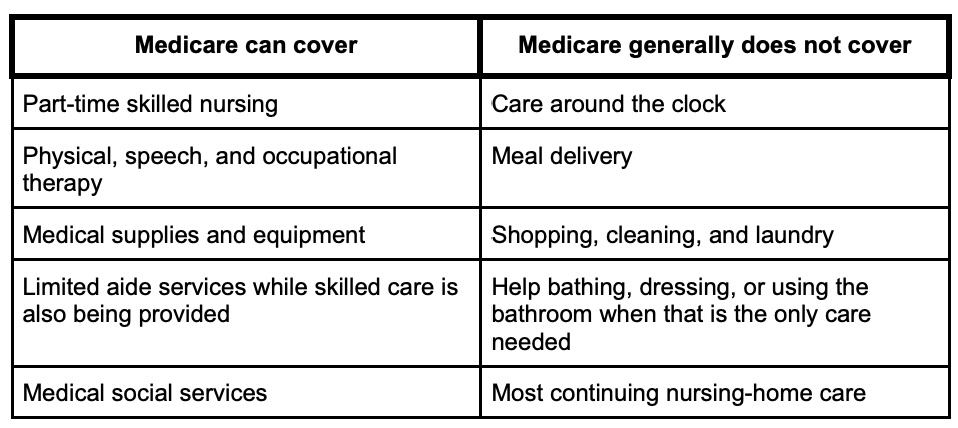

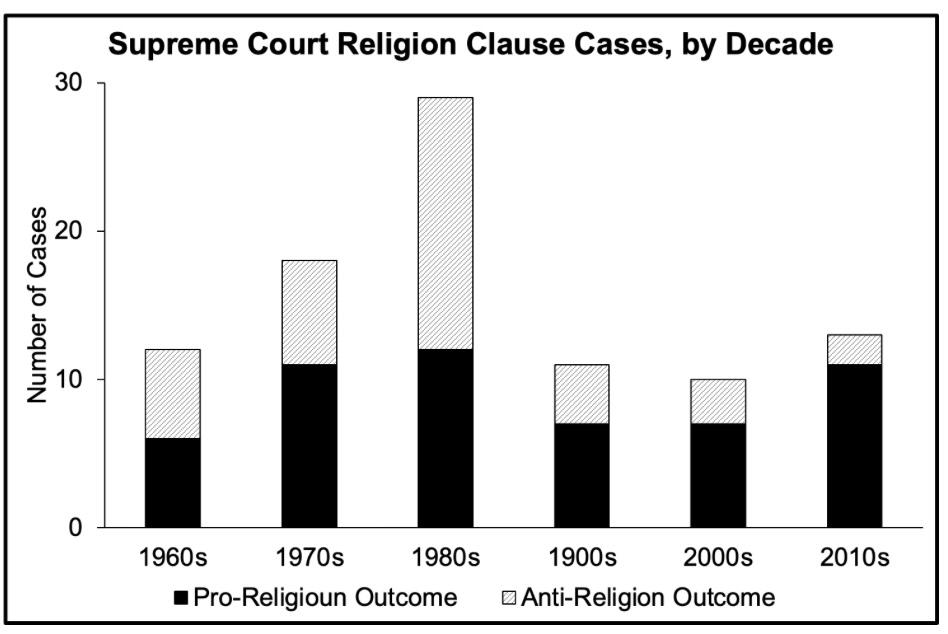

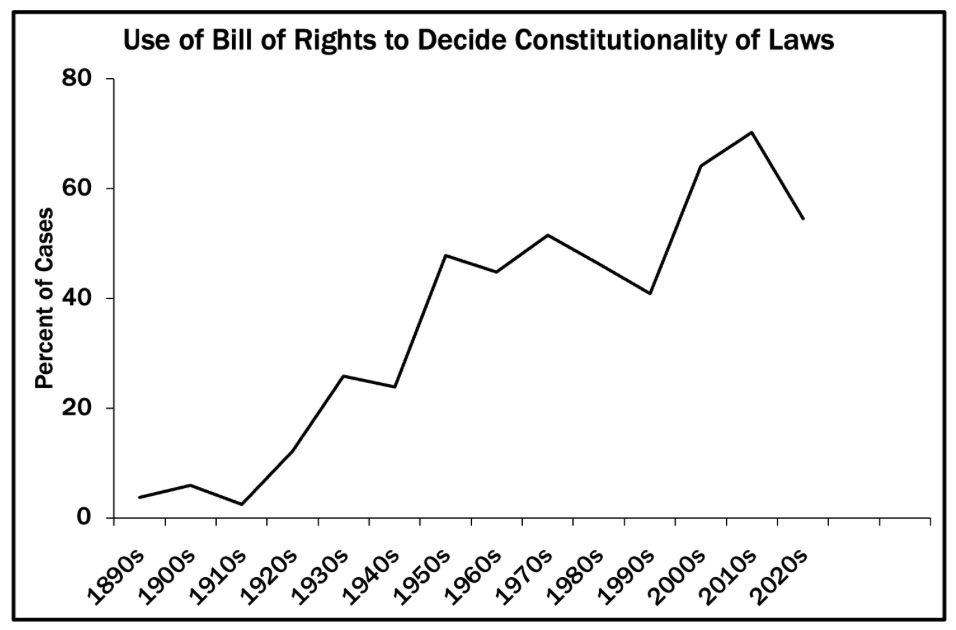




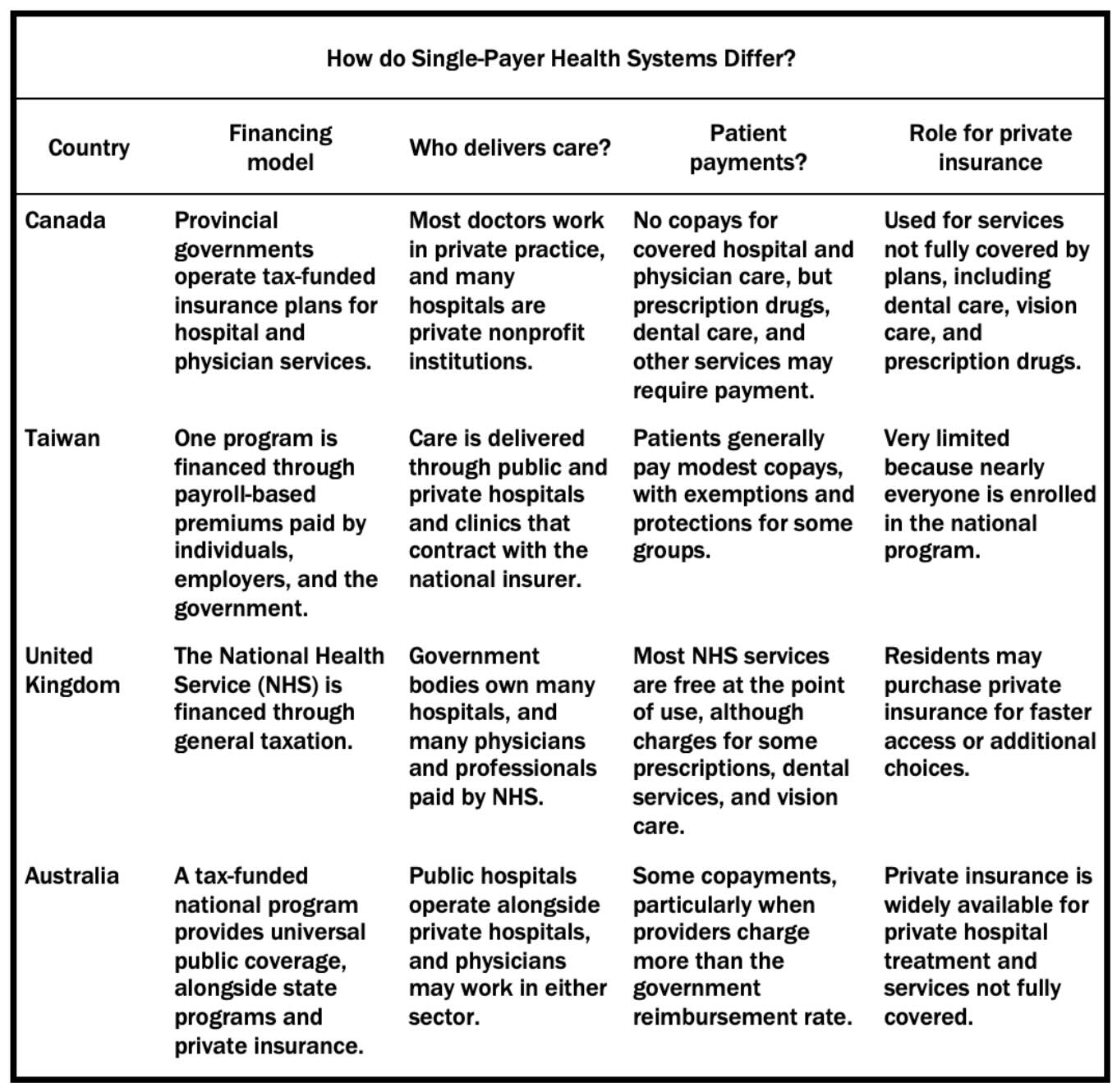
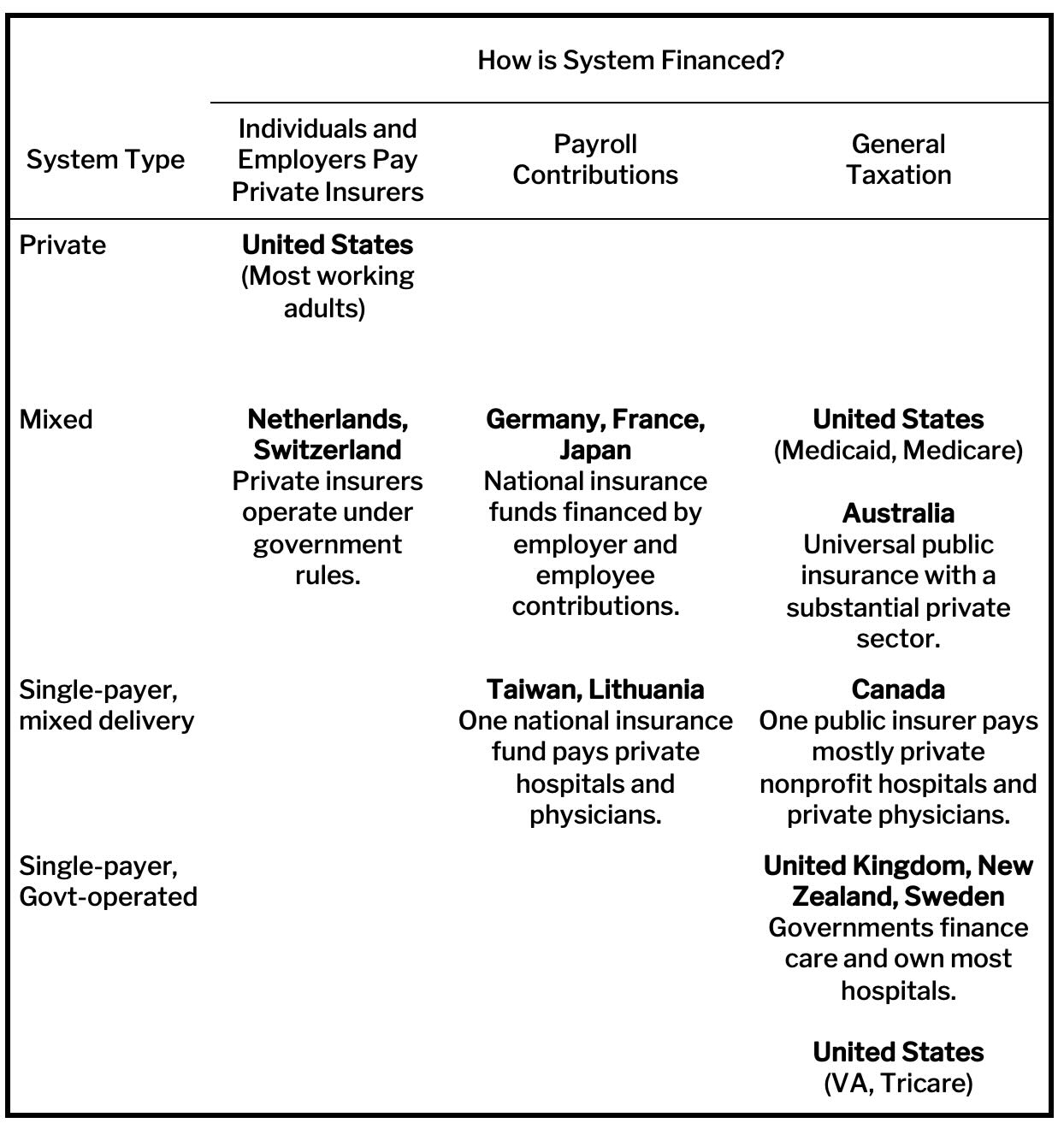

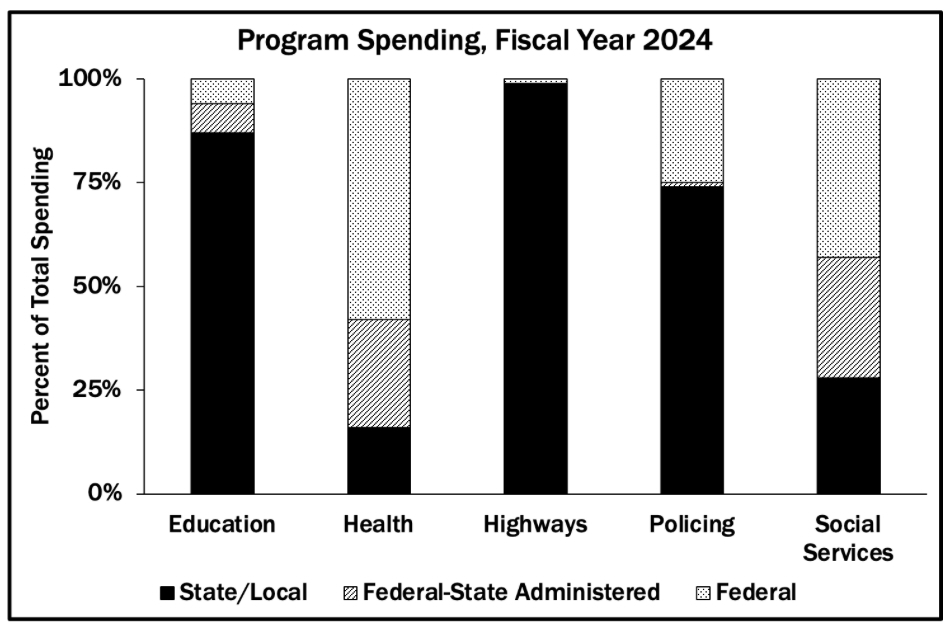


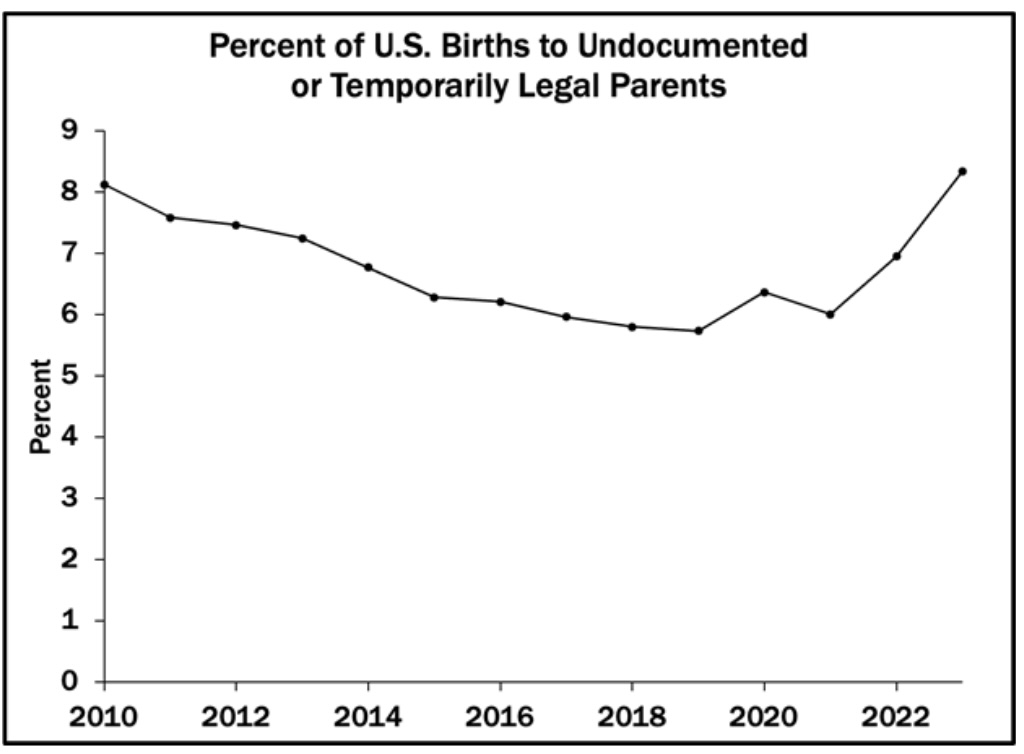
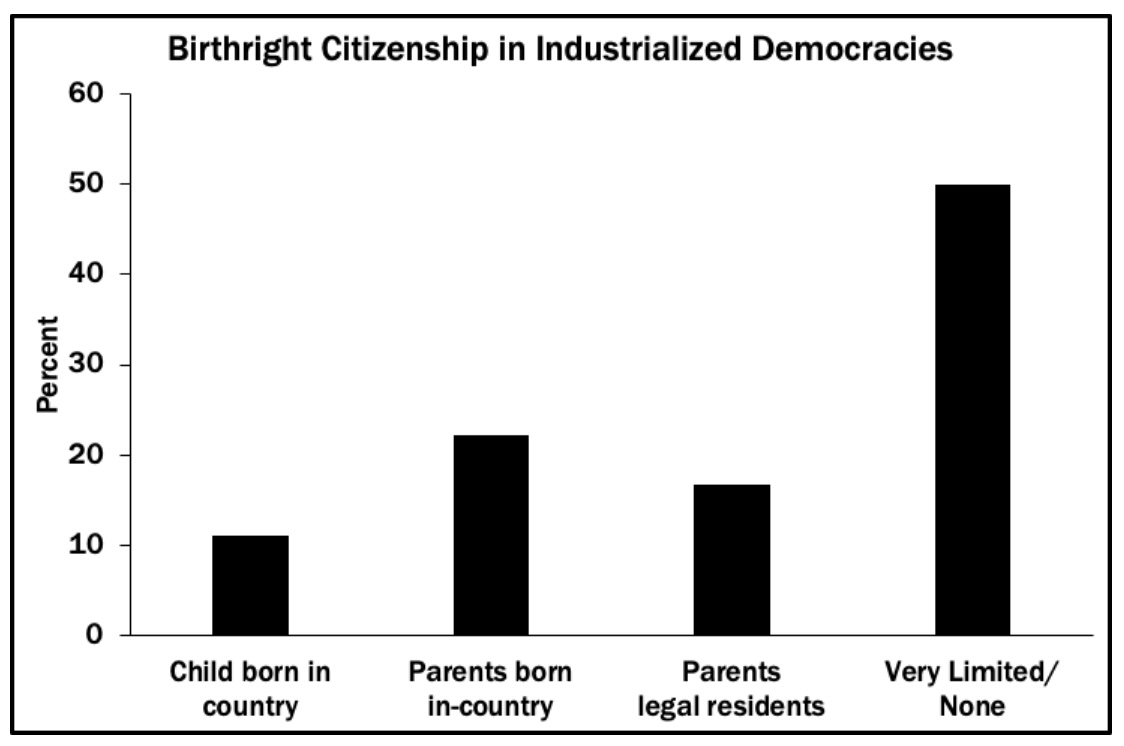

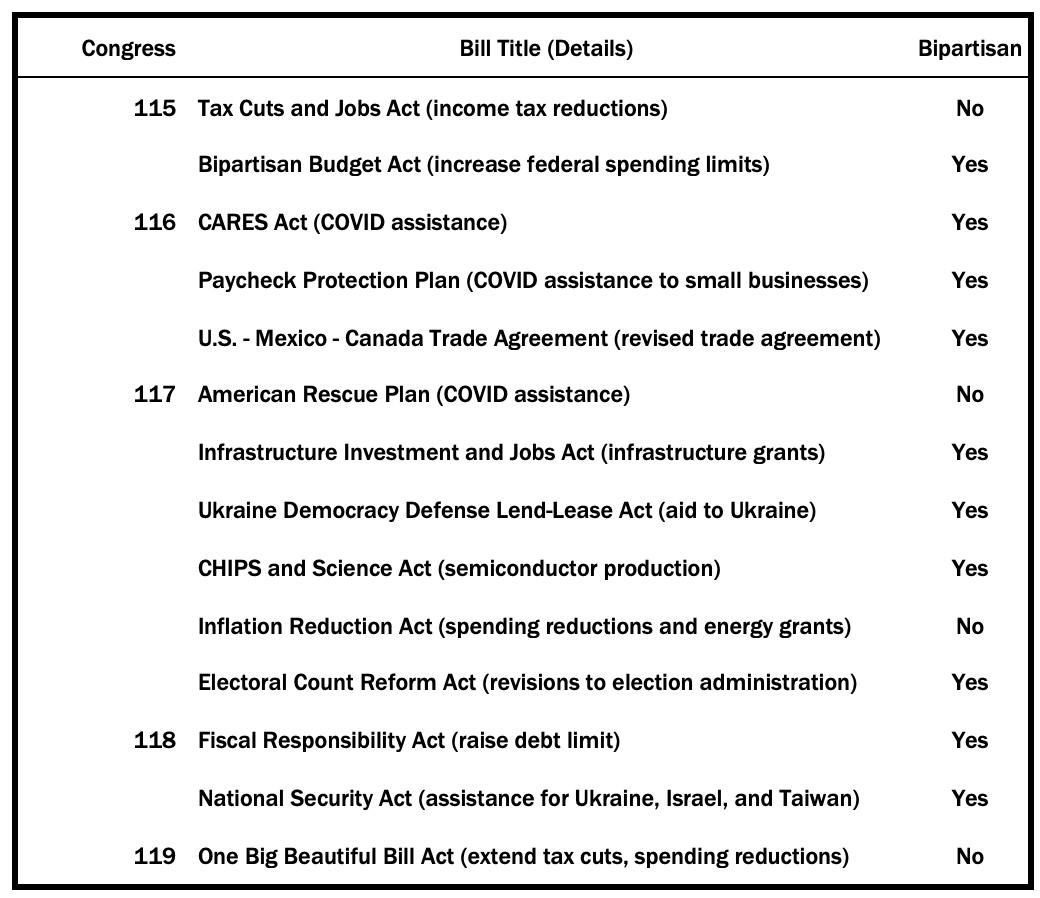
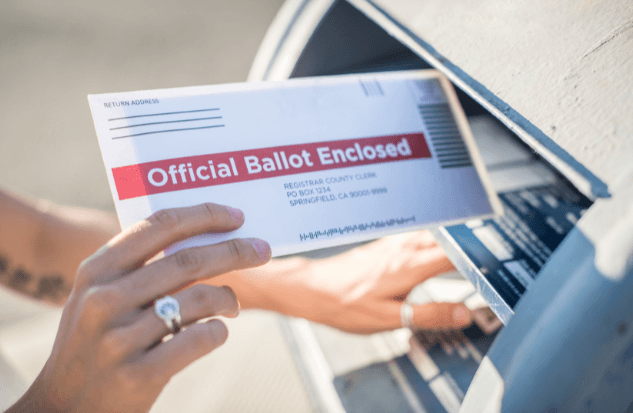
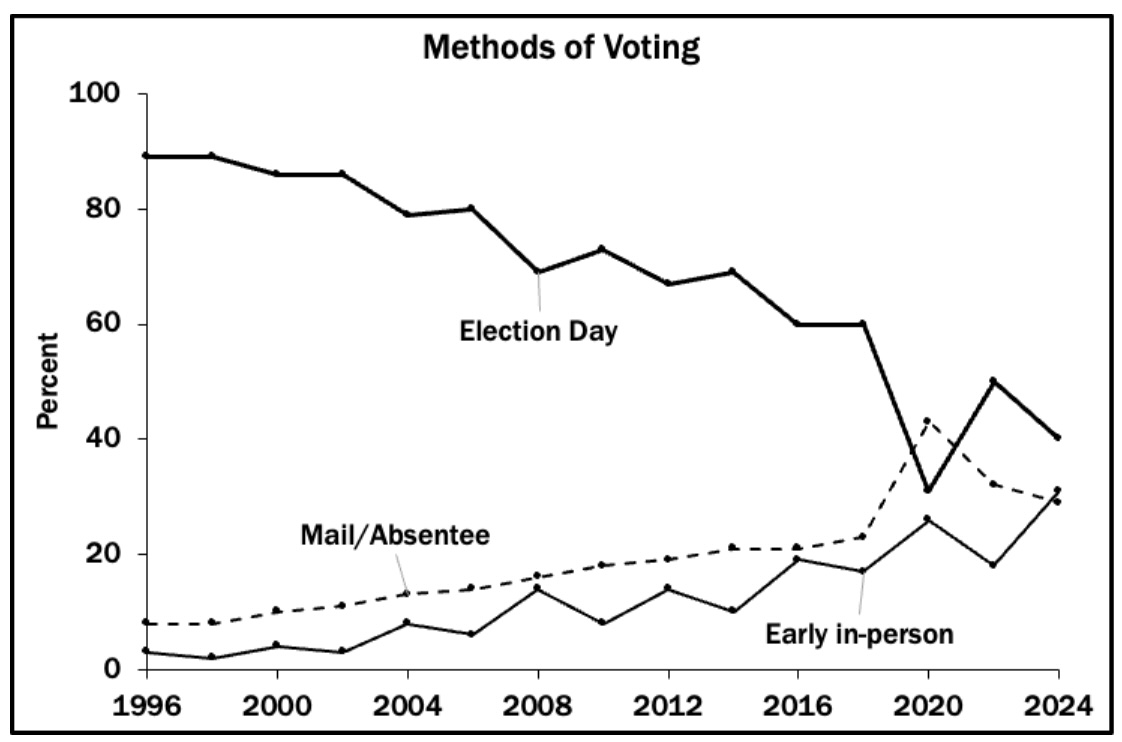
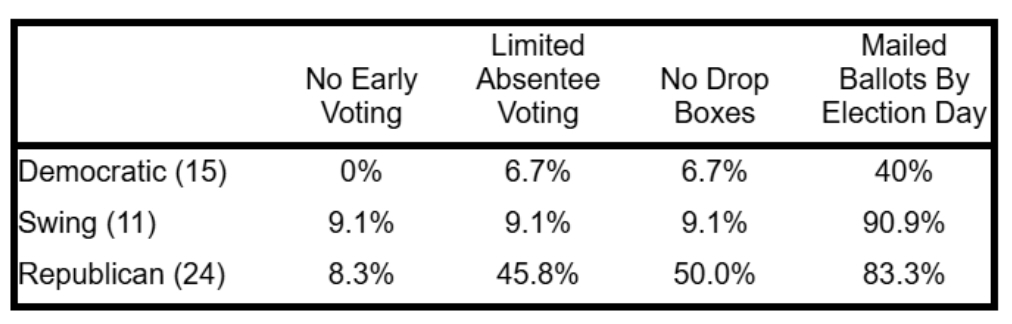


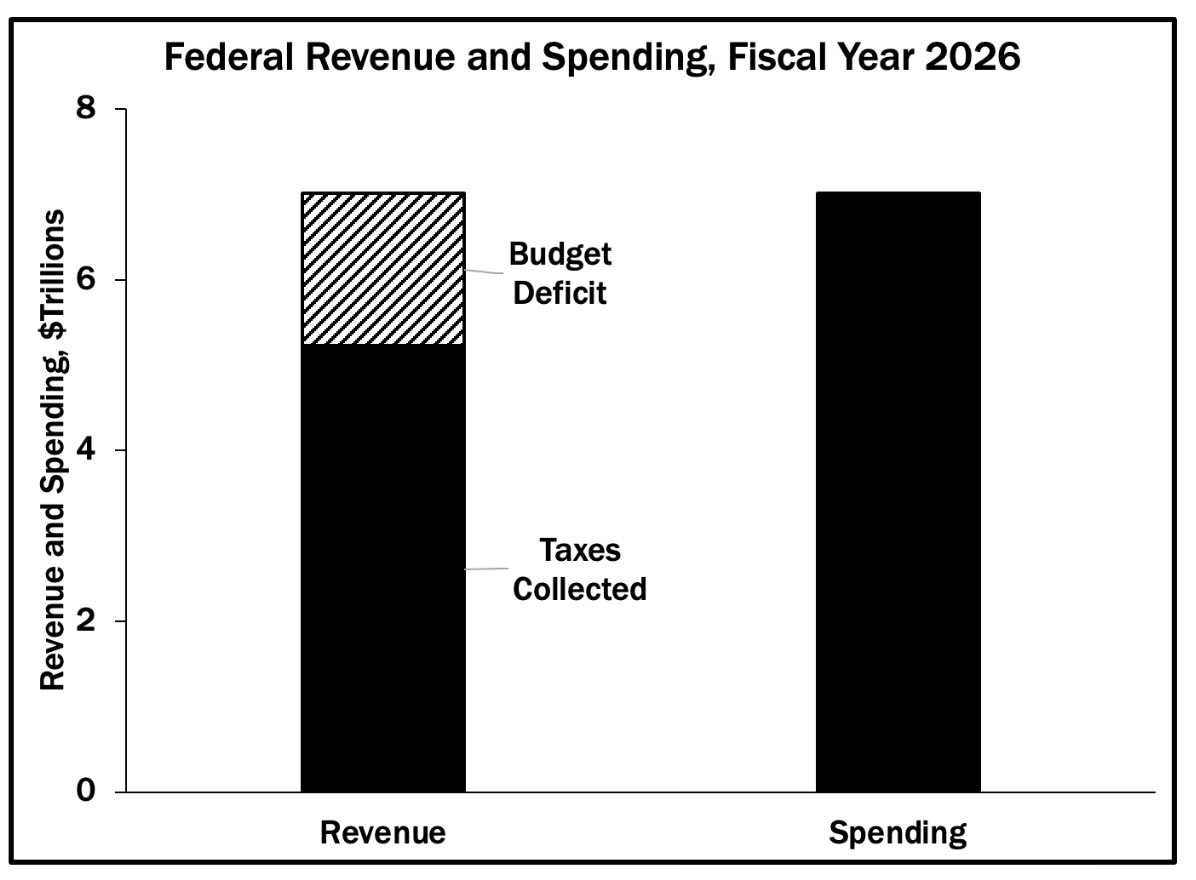
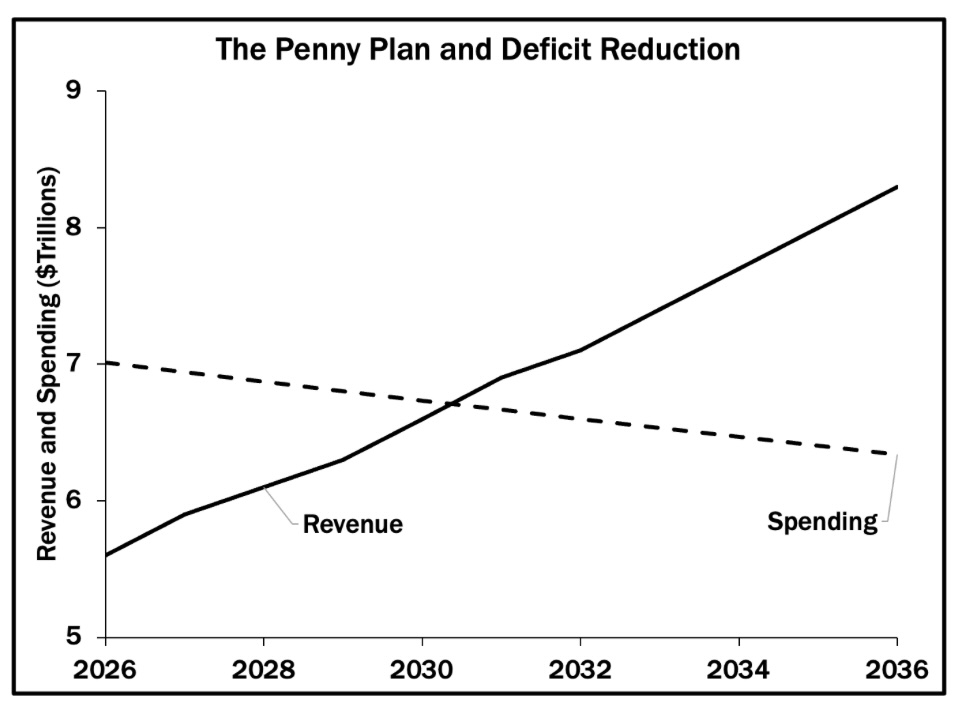
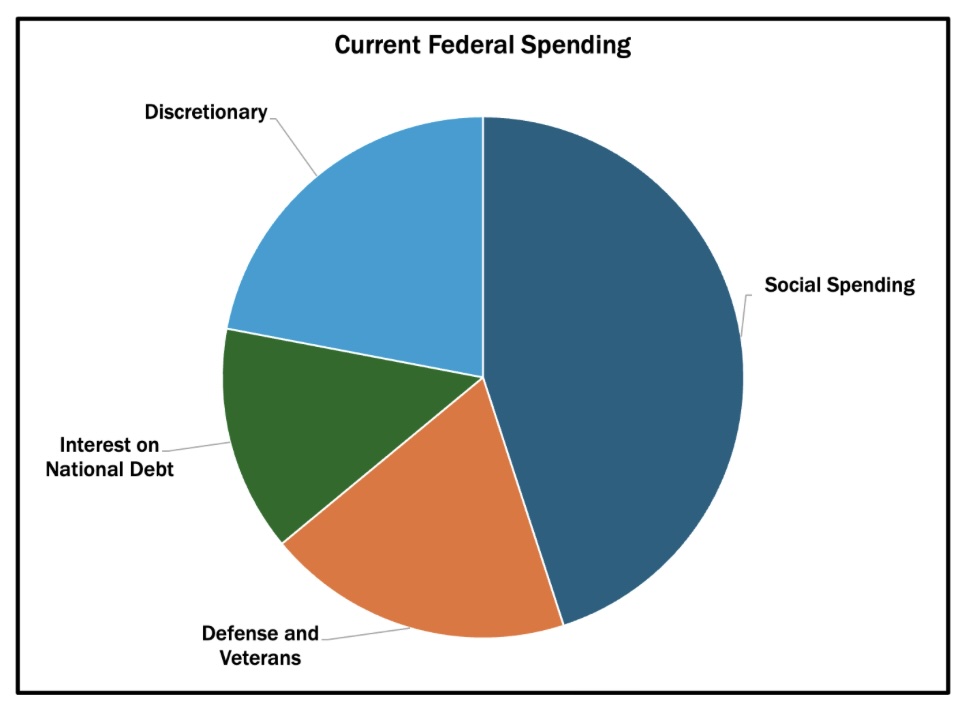
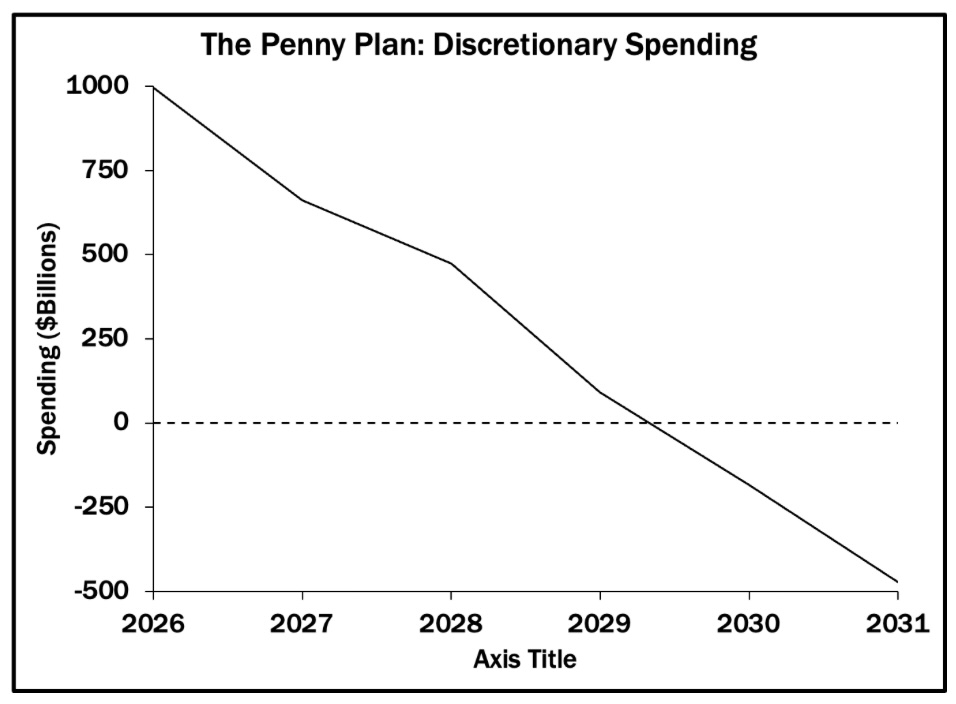

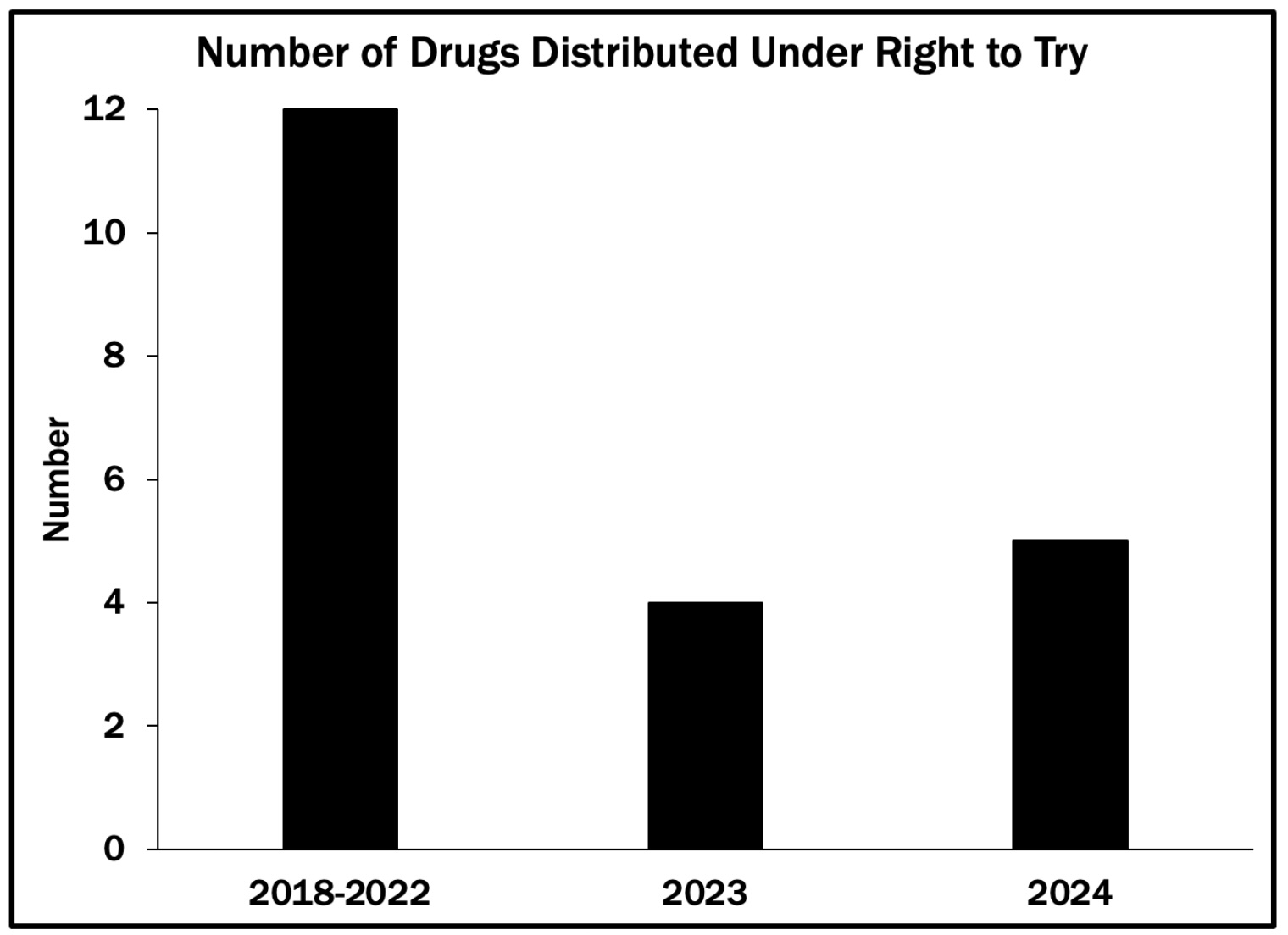
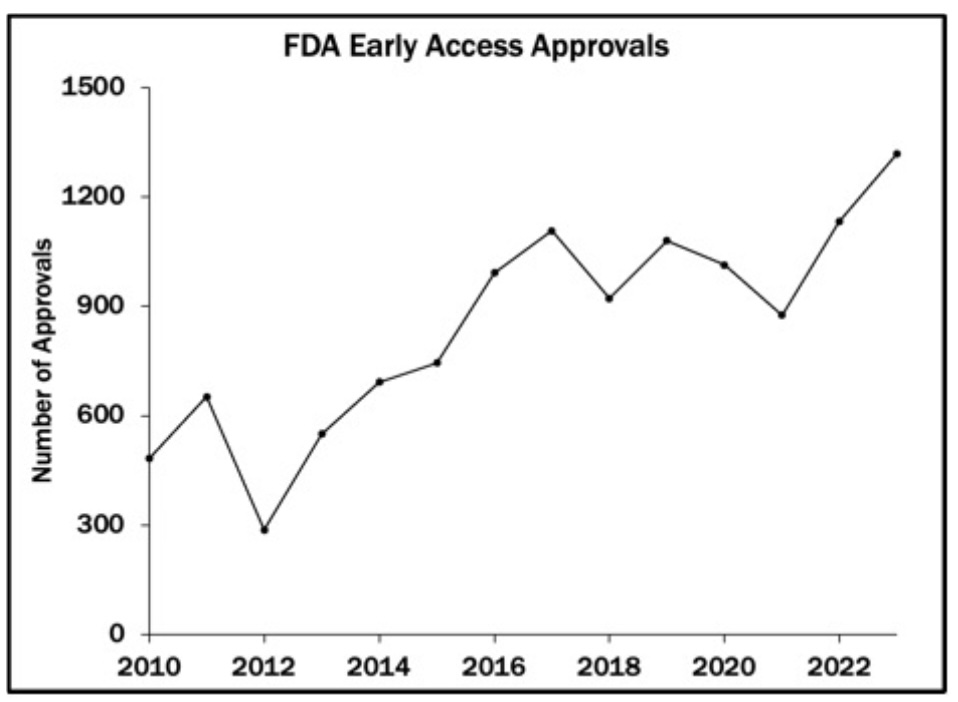

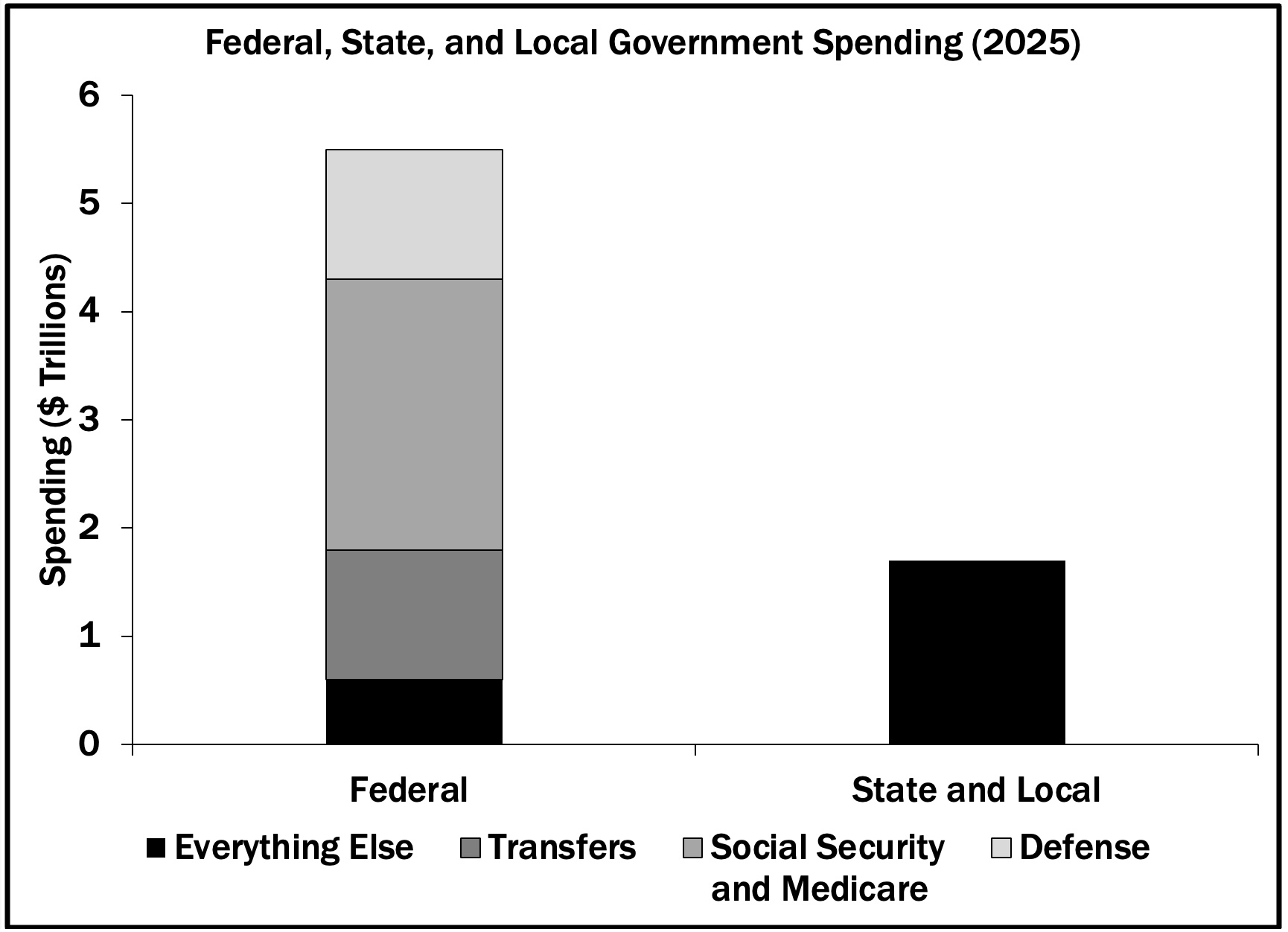

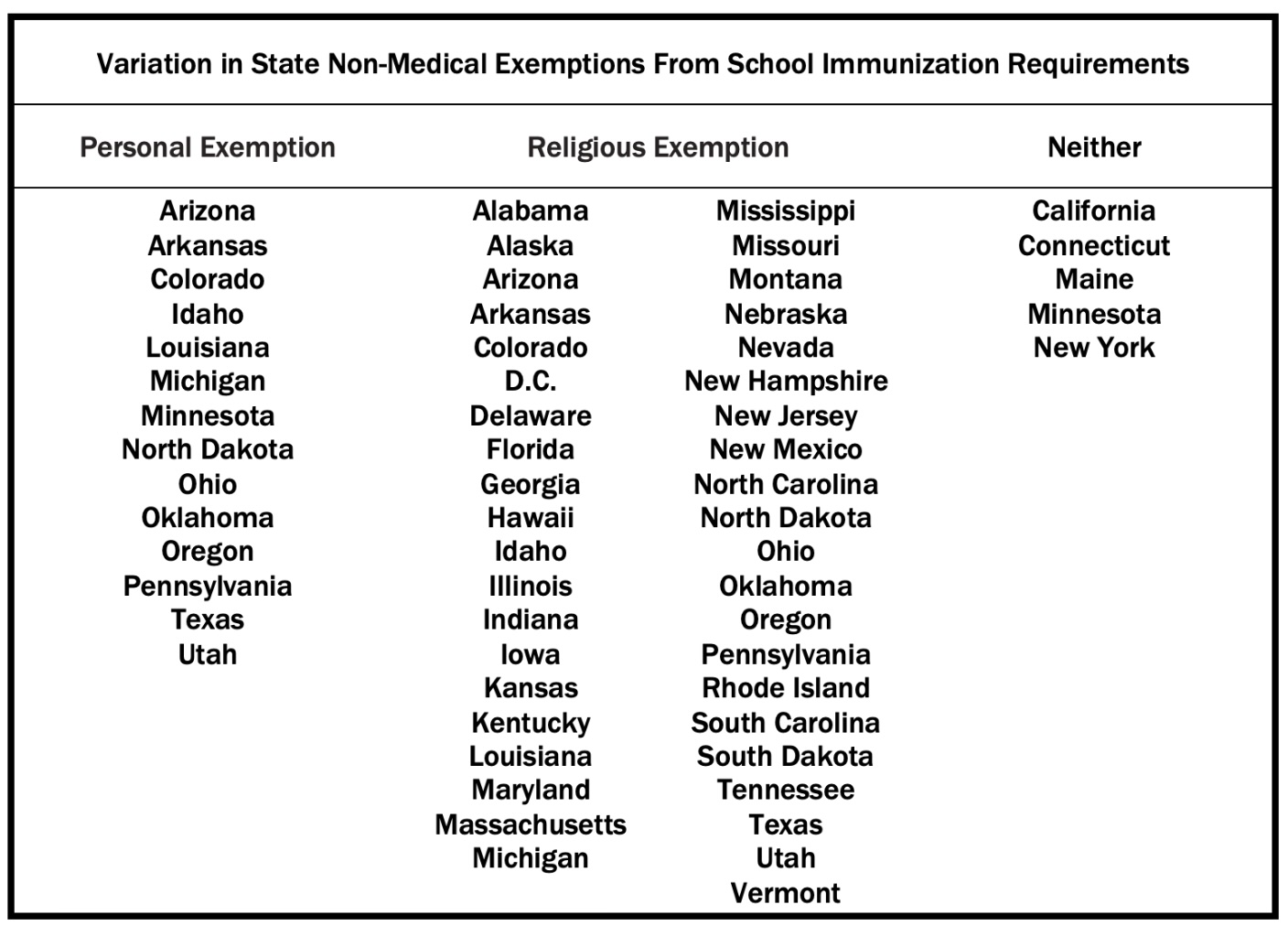
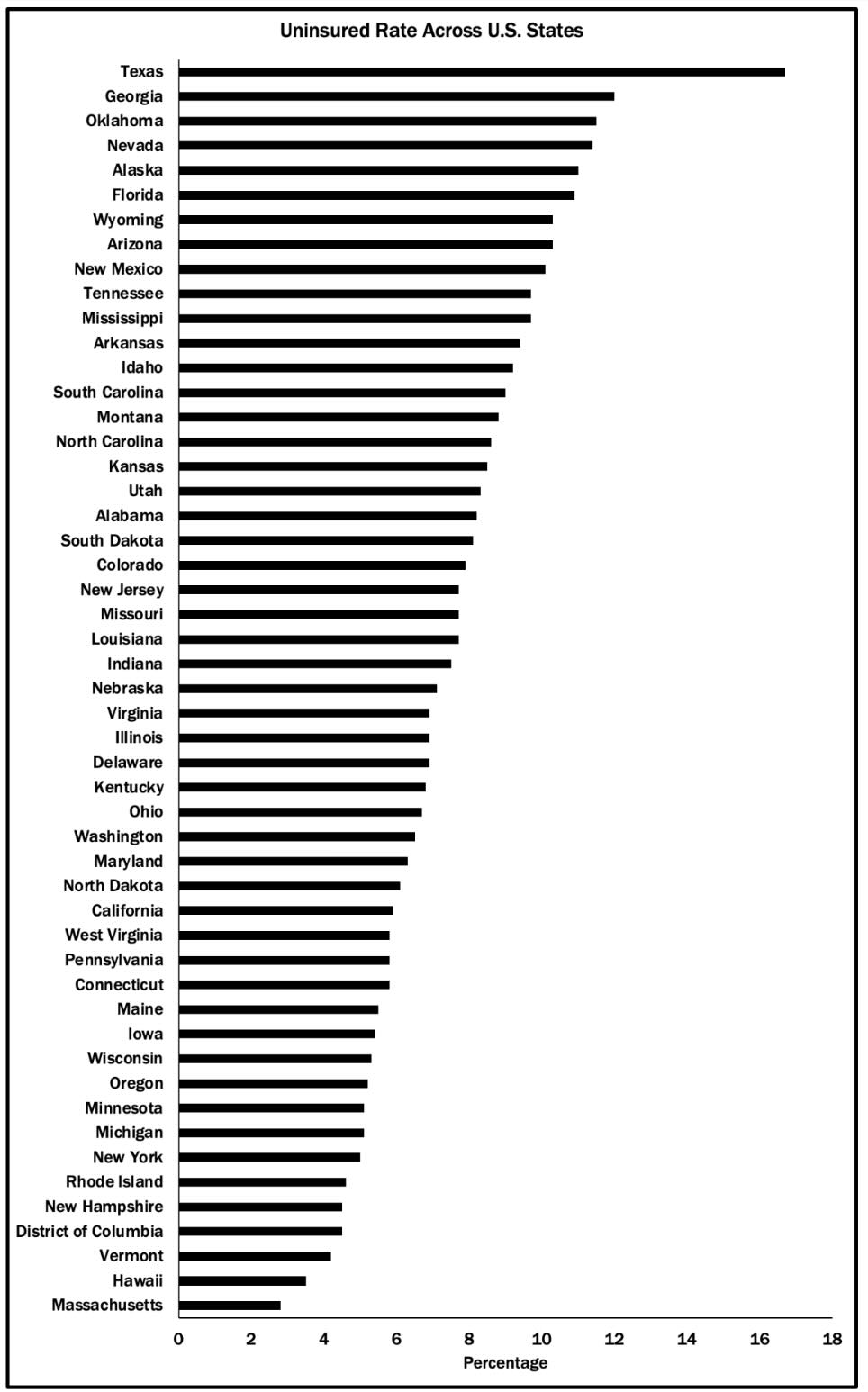


.png)


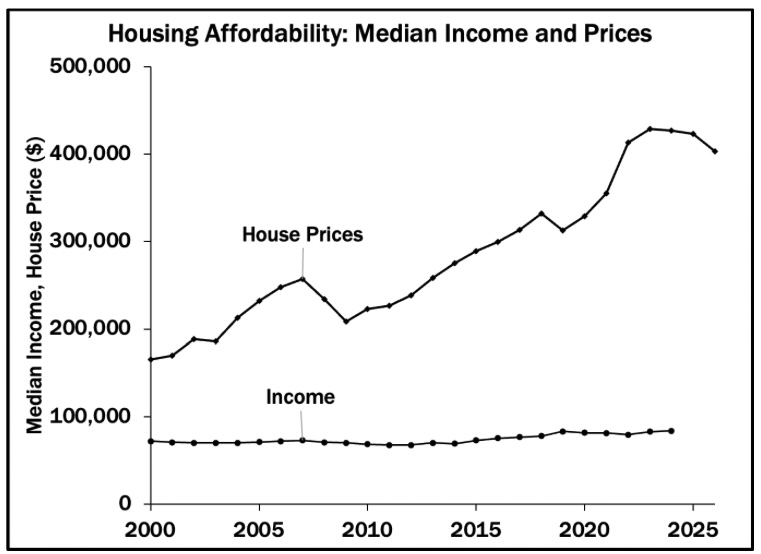
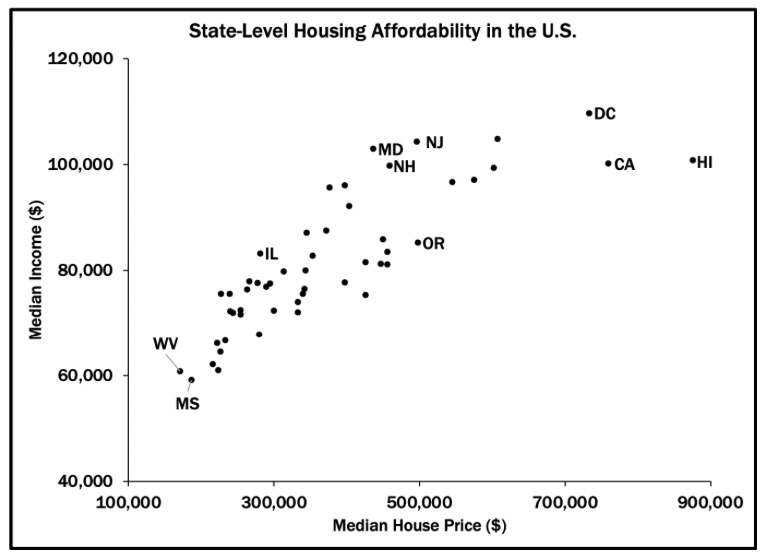




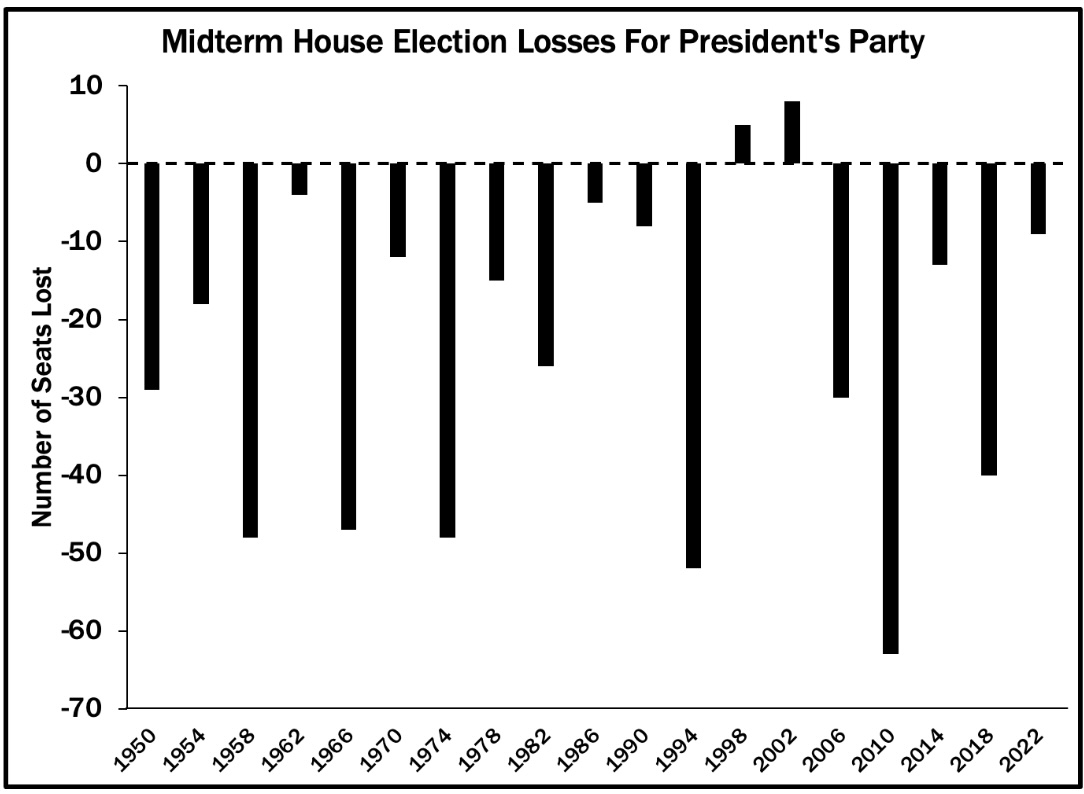
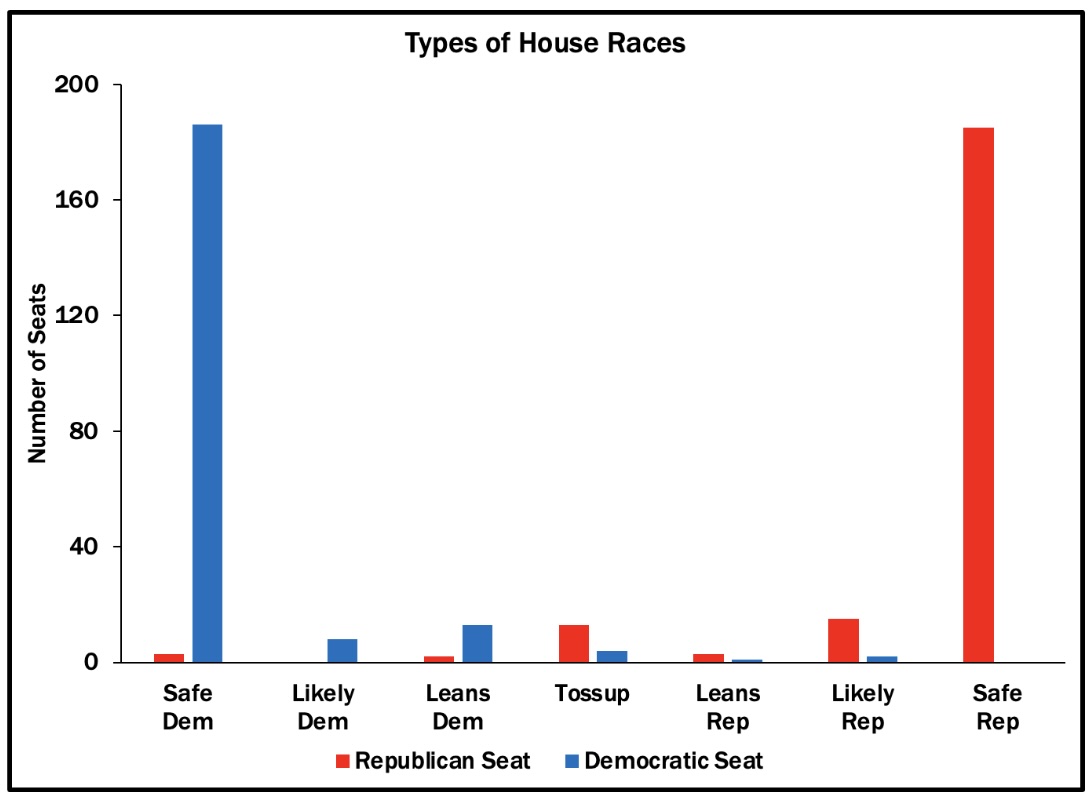
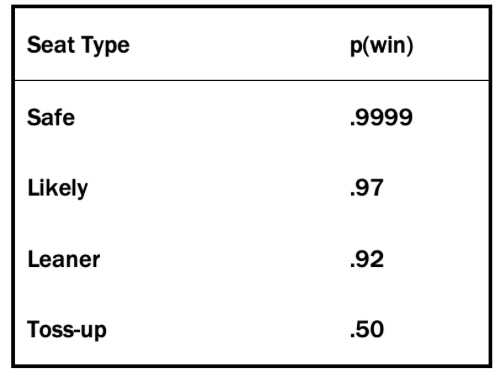
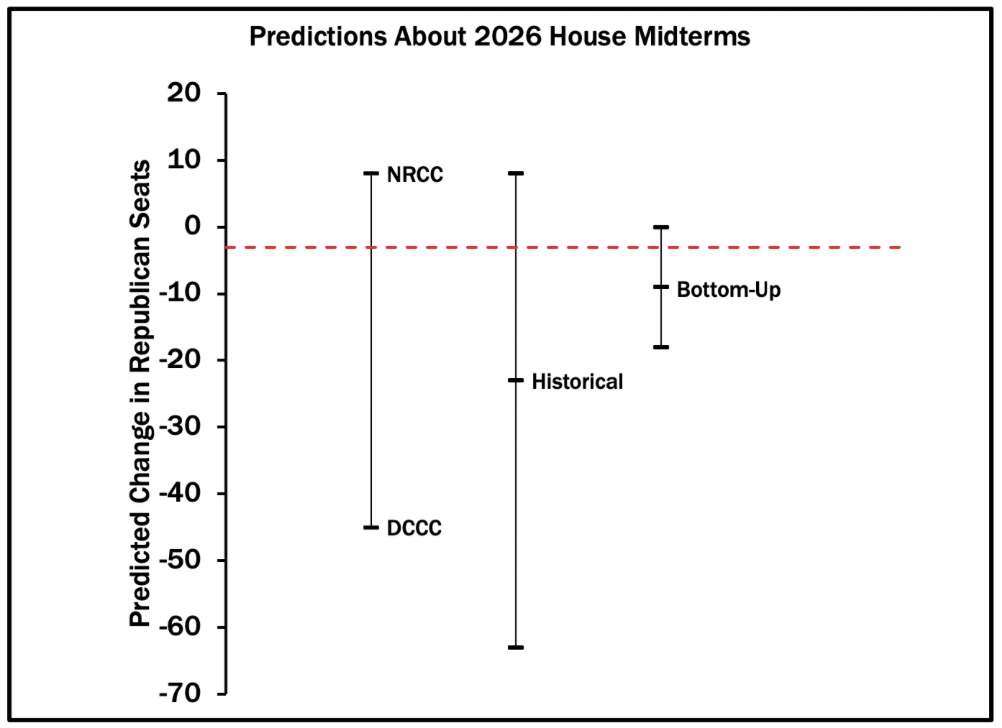

.png)